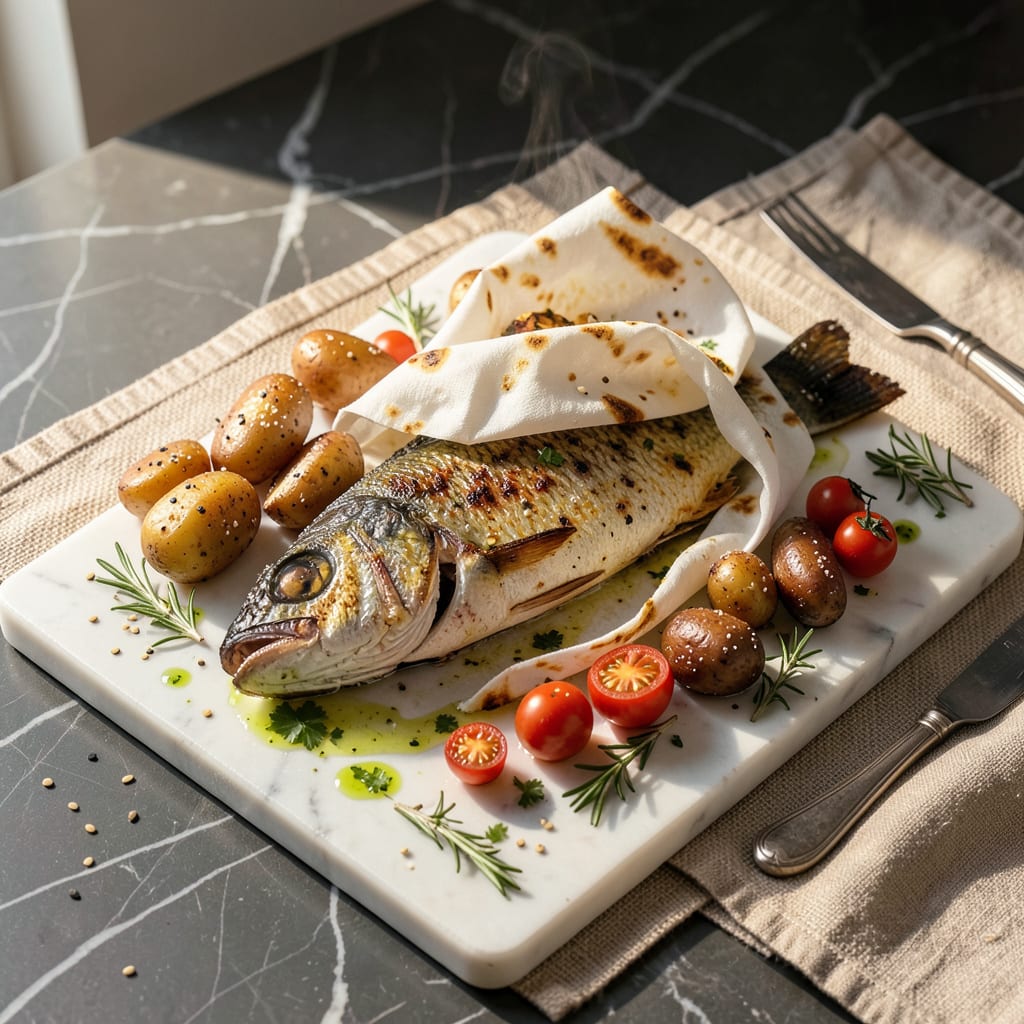
Yes, cheesecloth can safely go in the oven if it’s 100% cotton and untreated. Use it at temperatures up to 400°F (200°C) for tasks like straining custards, wrapping poultry, or creating cheese bundles. Always avoid bleached or synthetic blends.
I’ve used cheesecloth in countless kitchen scenarios, and its oven versatility is a game-changer. 🔥 The key lies in its natural cotton fibers, which withstand dry heat without breaking down—unlike synthetic materials that can melt or release harmful fumes. For example, when roasting a turkey, dampened cheesecloth helps baste the skin evenly while preventing over-browning. Just remember: always check the label for untreated, unbleached cotton to avoid any chemical off-flavors or fire hazards.
💡 In This Article
- Why Oven-Safe Cheesecloth Requires Specific Materials
- Oven Uses for Cheesecloth and Temperature Guidelines
Why Oven-Safe Cheesecloth Requires Specific Materials
Cheesecloth’s oven safety comes down to its fiber composition. Natural cotton is made of cellulose, a polymer that remains stable in dry heat up to 400°F (200°C). This molecular structure resists combustion because cellulose requires sustained temperatures above 451°F (233°C) to ignite—well beyond typical home oven settings.
🔥 Synthetic fibers like polyester or nylon, however, melt at 350-400°F, releasing toxic fumes and potentially ruining your dish.
The problem with bleached or treated cheesecloth lies in chemical residues. Bleaching processes often leave chlorine compounds that can break down under heat, creating unpleasant odors or flavors. I once used bleached cheesecloth to wrap a pork loin at 375°F, and the result had a faint chemical aftertaste that ruined the meal.
Untreated, unbleached cotton avoids this entirely, maintaining food safety and flavor integrity.
Moisture content also affects performance. Dampening cheesecloth before oven use helps distribute heat evenly and prevents scorching. This technique mimics how professional bakers use steam in bread ovens—controlled moisture regulates temperature spikes. For example, when wrapping a turkey breast at 325°F, a damp cloth keeps the skin from drying out while allowing even browning.
Thread count matters too. Higher-grade cheesecloth (like #90 grade) has tighter weaves that resist fraying at high temperatures. I always trim loose threads before oven use to prevent them from becoming fire hazards. The tighter the weave, the better it handles prolonged exposure to 350-400°F without disintegrating.
Consider this comparison: untreated cotton cheesecloth behaves like parchment paper in the oven, while synthetic blends act more like plastic wrap. One remains stable and inert; the other degrades rapidly. This fundamental difference explains why professional kitchens exclusively use 100% cotton for oven applications, from bundling herbs to straining hot liquids.
For those who love kitchen science, the cellulose in cotton actually becomes more heat-resistant when damp. Water molecules absorb heat energy first, creating a buffer that protects the fibers. This is why damp cheesecloth can safely handle 400°F for short periods, while dry cloth might scorch at the same temperature. ✨

Trained in classic French technique but raised on slow-cooked ribs and spicy rubs, she blends culinary skill with smoke and soul.
- Recipe for Boneless Pork Chops in Cast Iron Skillet: Sear and Baste to Juicy Perfection - October 3, 2026
- Recipe for Boneless Cross Rib Roast: Slow-Roasted Beef with Herb Crust - October 3, 2026
- Hamburgers in Sauce Recipe Crock Pot: Slow-Cooked Savory Delight - October 3, 2026