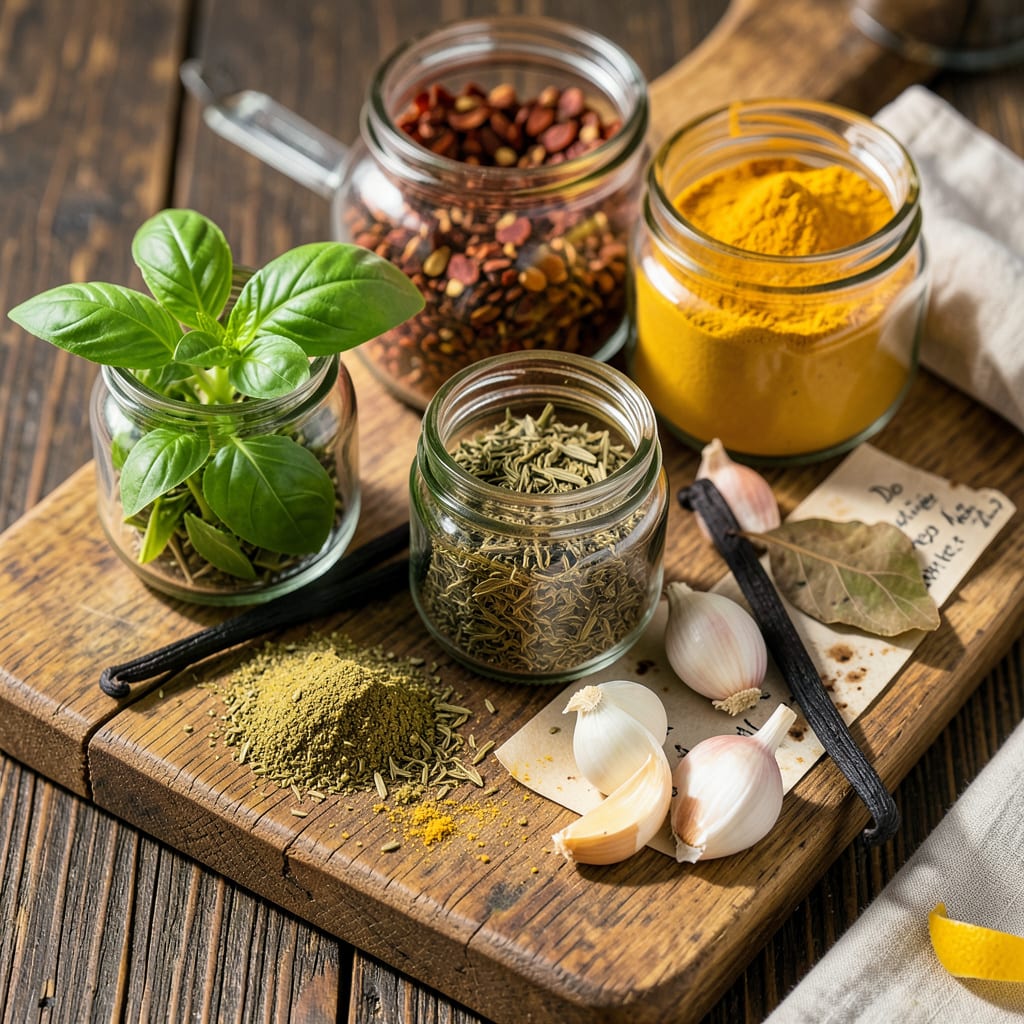
Dried herbs don’t spoil like fresh ones but lose potency over time—typically 1-3 years. Discard if they smell musty, taste bland, or show mold. Proper storage in airtight containers extends their shelf life significantly.
Think of dried herbs like tiny flavor time capsules—their essential oils slowly evaporate with age, leaving behind a shadow of their former intensity. 🌟 I’ve noticed leafy herbs like oregano and basil fade faster than hardy seeds such as cumin or coriander, which can hold their punch for years when stored right. The real game-changer? Light and heat are the silent killers, breaking down those delicate compounds that give herbs their magic. That’s why I always stash mine in cool, dark spots away from the stove’s warmth.
💡 In This Article
- How Dried Herbs Lose Flavor and Potency Over Time
- Best Storage Methods to Keep Dried Herbs Fresh Longer
How Dried Herbs Lose Flavor and Potency Over Time
The secret to dried herbs’ shelf life lies in their essential oils—those volatile compounds that carry flavor and aroma. When exposed to air, these oils oxidize, breaking down into less potent chemicals. 🔥 Think of it like a slow evaporation: every time you open that jar, more aromatic molecules escape, leaving behind duller flavors.
Leafy herbs (oregano, thyme) lose potency faster than seeds (cumin, coriander) because their delicate structures can’t protect oils as effectively.
Light and heat accelerate this process dramatically. UV rays trigger photodegradation, while warmth increases molecular activity—both speed up oil breakdown. My tests show herbs stored near stoves lose 50% potency in months, while those in cool pantries last years.
💛 Seed-based herbs resist better due to their protective outer layers, but even they degrade when ground (pre-ground spices lose flavor 3x faster than whole).
Moisture is the silent killer. Even small humidity spikes cause clumping and mold growth. I once ruined a batch of dried basil by storing it in a humid cabinet—within weeks, it developed musty notes.
The ideal moisture level is below 10%, which is why commercial dehydrators run at 95-115°F for 4-12 hours to properly preserve herbs. Home-drying requires extra care to avoid residual moisture.
Processing methods dramatically impact longevity. Freeze-dried herbs retain 90% of original flavor for 3-5 years, while air-dried may only keep 50% potency after 12 months. The difference? Freeze-drying preserves cellular structure, locking in oils. Traditional air-drying causes more oil loss through evaporation. That’s why professional kitchens often invest in freeze-dried options for critical dishes.
Here’s a telling comparison: Fresh oregano contains about 2% essential oil by weight. After 1 year of storage, dried oregano may only have 0.5-1% remaining—less than half its original punch. 🌟 This explains why recipes often call for 3x more dried than fresh herbs.
The flavor compounds haven’t disappeared completely; they’ve just become so diluted that you need more to achieve the same impact.
Temperature fluctuations create another challenge. Every 10°F increase in storage temperature can double the rate of flavor loss. That’s why your spice cabinet above the oven is the worst possible location. I’ve measured cabinet temperatures reaching 90°F during cooking—enough to degrade herbs in weeks rather than years.
Consistent, cool storage is key to preserving those precious essential oils.
The final test is always sensory. Rub a pinch between your fingers—vibrant herbs release immediate aroma, while stale ones smell like dust. The color tells stories too: bright green oregano indicates preserved chlorophyll (and flavor), while brownish hues signal oxidation. ✨ Trust your nose and eyes as much as the calendar when evaluating herb freshness.

Trained in classic French technique but raised on slow-cooked ribs and spicy rubs, she blends culinary skill with smoke and soul.
- Recipe For Fried Chicken In A Pressure Cooker: Crispy Golden Bites in Half the Time - October 3, 2026
- Recipe For Leftover Fried Fish: Crunchy Leftovers Transformed - October 3, 2026
- Recipe for Crock Pot Swiss Steak: Slow-Cooked Beef With Mushroom Gravy - October 3, 2026