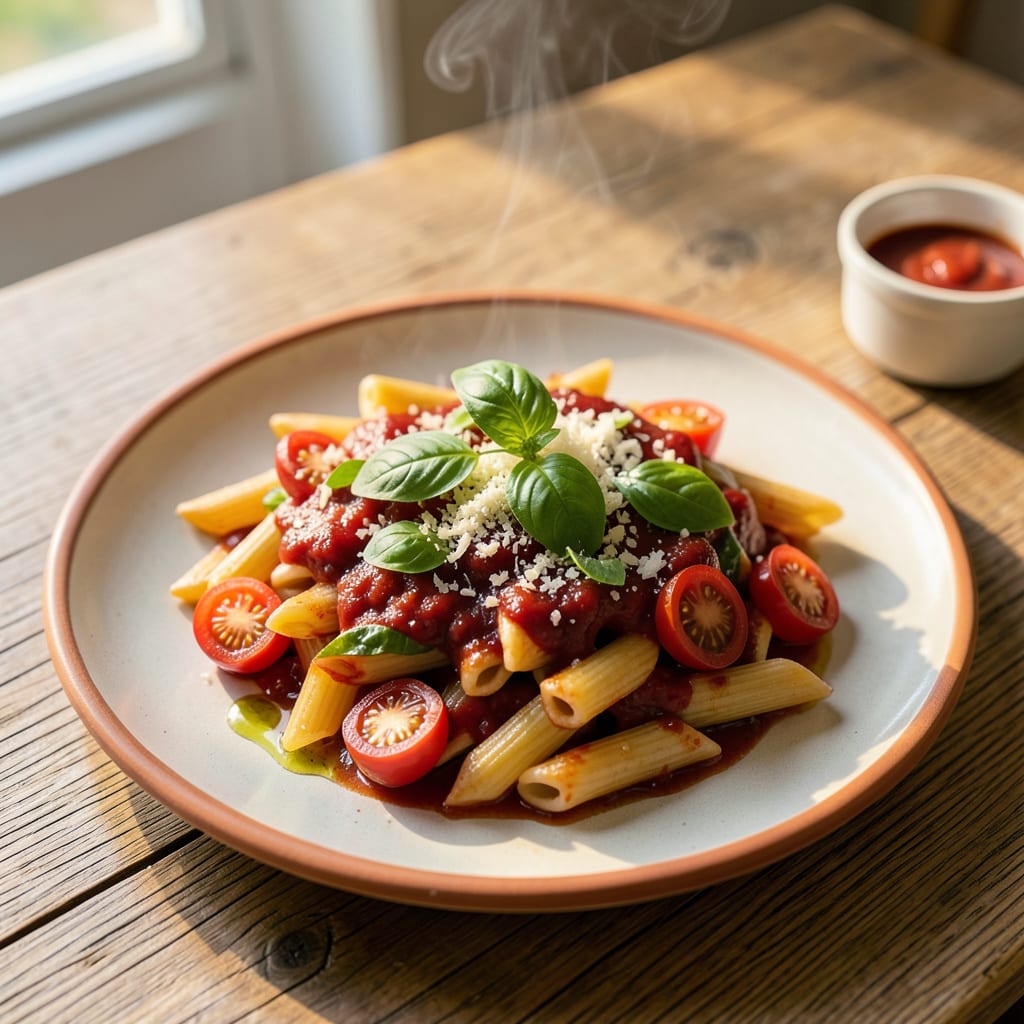
Yes, but adjust carefully—ketchup is sweeter, tangier, and thinner than tomato puree. Use ½ to ⅔ cup ketchup per 1 cup puree, then reduce added sugar and vinegar in your recipe to balance flavors.
I’ve made this swap countless times in my pitmaster days, and the secret lies in understanding ketchup’s hidden ingredients. 🔥 Most commercial versions pack high-fructose corn syrup and extra vinegar, which can throw off your dish’s balance. For example, in BBQ sauces, I’d cut back on brown sugar by half and add a splash of apple cider vinegar to compensate. The thinner consistency also means you might need a cornstarch slurry to thicken stews or braises—something puree handles naturally.
💡 In This Article
- How Ketchup Differs from Tomato Puree in Flavor and Texture
- Best Recipe Adjustments When Substituting Ketchup for Puree
How Ketchup Differs from Tomato Puree in Flavor and Texture
Ketchup isn’t just concentrated tomatoes—it’s a carefully balanced condiment with added ingredients that dramatically change its behavior in recipes. A standard ketchup contains about 24-28% sugar by weight (often high-fructose corn syrup) compared to tomato puree’s natural 3-5%.
This sugar content means ketchup caramelizes faster and burns more easily when cooked, which is why I always reduce heat by 25°F when using it in sauces. The added vinegar also lowers ketchup’s pH to around 3.9, making it significantly more acidic than puree’s neutral 4.3-4.6 range.
The texture difference is equally important. Tomato puree has a thick, paste-like consistency (about 28-30% solids), while ketchup flows more like heavy cream (18-22% solids). This thinner consistency comes from added water and stabilizers like xanthan gum.
When I’ve used ketchup in chili or stews, I’ve needed to either reduce other liquids by ¼ cup per cup of ketchup or add a thickener like 1 tsp cornstarch per cup to compensate. The spice blend in ketchup (typically including onion powder, garlic, and clove) also adds complexity that puree lacks.
These differences manifest dramatically in cooking. In my smokehouse, I’ve seen ketchup-based marinades develop a darker, stickier glaze on ribs due to the sugar content, while puree-based versions stay more translucent. The Maillard reaction occurs more aggressively with ketchup because of its sugar-amine combinations, creating deeper browning at lower temperatures.
For example, a puree-based BBQ sauce might need 325°F to caramelize properly, while a ketchup version starts browning at 275°F. 🔥
The flavor impact extends beyond sweetness. Ketchup’s added spices create what chefs call “flavor layering”—the onion and garlic notes become more pronounced when heated, while puree offers a cleaner tomato base. I once tested this by making two batches of meatloaf: one with puree and one with ketchup.
The ketchup version had noticeable allium notes even though I used the same amount of fresh onions. This is why ketchup works beautifully in hearty dishes like meatloaf or sloppy joes but can overwhelm delicate tomato sauces for pasta.
Another critical factor is water activity. Ketchup’s higher sugar content lowers its water activity to about 0.92, while tomato puree sits around 0.97. This means ketchup preserves better in finished dishes and can extend shelf life slightly, but it also means flavors concentrate differently during cooking.
When reducing sauces, ketchup-based versions will thicken faster but may develop a more pronounced tang as the water evaporates and the vinegar becomes more concentrated.
The color difference matters too. Ketchup’s deeper red hue (from added caramel color in many brands) can darken your final dish significantly. I’ve had students mistake my ketchup-based chili for one with added chocolate because of how much richer the color appears.
For dishes where appearance matters—like a bright tomato soup—this color shift might be undesirable. The spice blend also means ketchup works better in American-style dishes than in Mediterranean or Italian recipes where pure tomato flavor is preferred.
Remember that not all ketchups are created equal. Artisanal or organic versions often have less sugar (18-20%) and more actual tomato content, making them closer to puree in behavior. I keep a small batch of homemade ketchup (with 50% less sugar) specifically for cooking applications where I want more control over the flavor profile.
This version behaves much more like a thickened puree with just a hint of the classic ketchup tang. ✨

Trained in classic French technique but raised on slow-cooked ribs and spicy rubs, she blends culinary skill with smoke and soul.
- Recipe for Boneless Pork Chops in Cast Iron Skillet: Sear and Baste to Juicy Perfection - October 3, 2026
- Recipe for Boneless Cross Rib Roast: Slow-Roasted Beef with Herb Crust - October 3, 2026
- Hamburgers in Sauce Recipe Crock Pot: Slow-Cooked Savory Delight - October 3, 2026