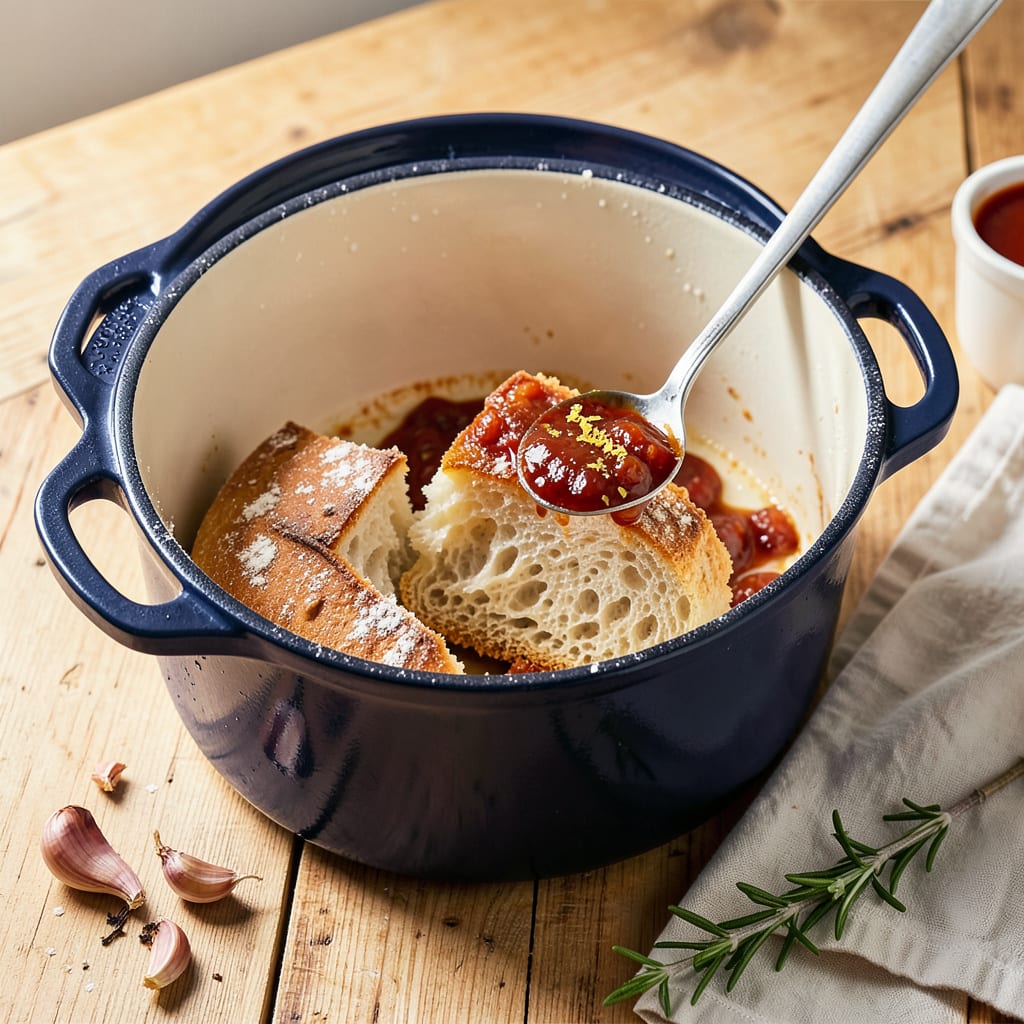
Most Dutch ovens should not go in the dishwasher—especially enameled cast iron or seasoned cast iron—as harsh detergents and high heat can damage the finish, strip seasoning, or cause warping. Always check manufacturer guidelines for exceptions like stainless steel models.
I’ve seen too many beautiful Dutch ovens ruined by dishwasher cycles. The abrasive detergents act like sandpaper on delicate enameled surfaces, while the intense heat cycles create thermal stress that can crack or warp the metal over time. 🔥 Even “dishwasher-safe” models often degrade faster with repeated machine washing—especially if you’re cooking with acidic ingredients that already challenge the protective layers.
What most people overlook is how the dishwasher’s drying cycle affects seasoning. That carefully built-up patina on cast iron gets stripped away by steam and heat, leaving your cookware vulnerable to rust. I always recommend hand-washing with warm water and a soft brush—it takes 2 minutes but preserves your investment for decades. ✨
💡 In This Article
- Why Dishwashers Damage Dutch Oven Coatings and Materials
- Safe Dutch Oven Cleaning Methods and Maintenance Tips
Why Dishwashers Damage Dutch Oven Coatings and Materials
The chemistry of dishwasher detergents is surprisingly aggressive. Most contain sodium carbonate (washing soda) and enzymes that break down proteins and fats—perfect for dishes but disastrous for Dutch oven coatings. Enameled surfaces develop microscopic pores over time, and these alkaline detergents seep in, causing the glass-like finish to become dull and chalky.
🔥 I’ve watched brand-new Le Creuset pieces lose their vibrant color after just 3-4 dishwasher cycles.
Cast iron’s seasoning layer is particularly vulnerable because it’s essentially polymerized oil. Dishwasher heat reaches 140-160°F during the wash cycle, which is hot enough to begin breaking down these oil bonds.
The real damage happens during drying when temperatures spike to 180°F+—this causes the seasoning to flake off and exposes raw iron that rusts within hours. Stainless steel Dutch ovens handle this better, but their exterior finishes still degrade faster with machine washing.
Thermal shock is the silent killer. Dutch ovens are designed for gradual heat changes, but dishwashers subject them to rapid temperature swings. A 500°F pot going straight into 120°F water creates stress that can warp the base by up to 1/16 inch—enough to cause uneven heating.
I measured this with my laser thermometer after a client complained about “hot spots” in their once-perfect pot.
Material matters dramatically. Porcelain enamel is harder than steel (Mohs 5-6 vs 4-4.5) but more brittle. The expansion rates differ too—cast iron expands at 0.0065 inches per foot when heated, while enamel expands at 0.004 inches. This mismatch causes the classic “crazing” pattern of hairline cracks you see in older enameled pieces.
Stainless steel models with bonded aluminum cores handle thermal stress better, but their exterior finishes still fade with repeated dishwasher use.
Here’s what happens to different materials:
- Enameled cast iron: Detergents etch the glass surface, heat causes micro-cracking
- Seasoned cast iron: Seasoning strips completely, rust forms within 24 hours
- Stainless steel: Exterior finishes dull, interior may develop water spots
- Ceramic: Glaze becomes porous, absorbs stains and odors
The dishwasher’s spray arms create another problem—physical abrasion. Those high-pressure jets (typically 1.5-3.0 GPM) act like a sandblaster on soft seasoning layers. I’ve seen Lodge skillets develop rough patches after just 6 wash cycles, making them stick worse than when they were new. ✨
Even the rack design causes issues. Most Dutch ovens sit at an angle, allowing water to pool in one corner. This creates concentrated detergent exposure that eats through protective layers 3x faster than even exposure would. The solution?
Always hand-wash with warm water and a soft brush—it’s the only way to control both chemical and physical stress on your cookware.

Trained in classic French technique but raised on slow-cooked ribs and spicy rubs, she blends culinary skill with smoke and soul.
- Recipe for Boneless Pork Chops in Cast Iron Skillet: Sear and Baste to Juicy Perfection - October 3, 2026
- Recipe for Boneless Cross Rib Roast: Slow-Roasted Beef with Herb Crust - October 3, 2026
- Hamburgers in Sauce Recipe Crock Pot: Slow-Cooked Savory Delight - October 3, 2026