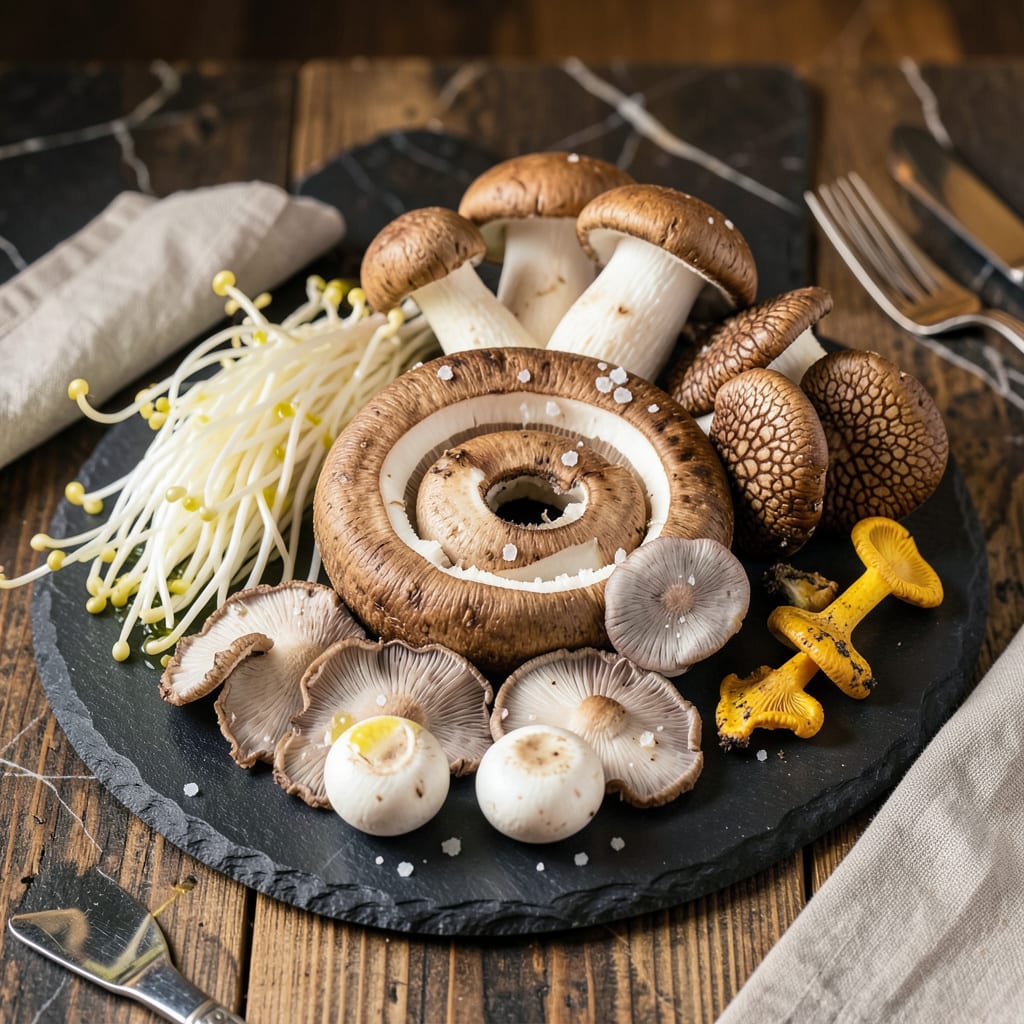
Most common edible mushrooms like button, cremini, and portobello can be eaten raw, but some varieties contain mild toxins that cooking neutralizes. Always verify the type and source to avoid digestive upset or poisoning.
I’ve worked with mushrooms for years, and the key difference between safe and risky raw consumption often comes down to their cellular structure. 🔥 Certain varieties like shiitake or morels contain compounds that can irritate the digestive system when raw, but heat breaks these down. Even with grocery store varieties, I always recommend thorough washing and inspecting for sliminess or dark spots—signs they’re past their prime.
What many don’t realize is that wild mushrooms should never be eaten raw, even if they’re non-toxic when cooked. The foraging community has a rule: “When in doubt, cook it out.” This simple practice eliminates most risks while preserving flavor and texture. ✨
💡 In This Article
- Why Some Raw Mushrooms Can Be Risky to Eat
- Best Practices for Eating Raw Mushrooms Safely
Why Some Raw Mushrooms Can Be Risky to Eat
The key factor here is mushroom biochemistry. Certain varieties contain compounds like agaritine (found in button mushrooms) and hydrazines (in false morels), which can be problematic when raw. These substances are heat-sensitive—they break down at temperatures above 140°F, transforming into harmless byproducts. Cooking essentially neutralizes their potential to cause digestive upset or mild toxicity. 🔥
Take shiitake mushrooms as an example: they contain a compound called lentinan that can trigger skin rashes or stomach discomfort in some people when consumed raw. A quick sauté at medium-high heat (350°F) for 5-7 minutes completely deactivates this irritant while enhancing their umami flavor.
Wild varieties like chanterelles or porcini often contain higher concentrations of these compounds, making them particularly risky to eat uncooked. ✨
What’s fascinating is how mushroom cell walls work. Raw mushrooms have tough chitin structures that human digestive enzymes struggle to break down. Cooking softens these walls, making nutrients more bioavailable. I’ve noticed that even with “safe” varieties like cremini, people with sensitive stomachs often digest them better after light cooking.
The texture changes dramatically too—raw mushrooms can be rubbery, while cooked ones develop a meatier bite. 💫
Here’s a critical distinction: store-bought mushrooms (button, cremini, portobello) are cultivated in controlled environments and generally safe raw in small quantities. Wild mushrooms—even non-toxic ones like morels—should never be eaten raw. They often contain higher levels of natural toxins that cooking neutralizes.
The foraging community’s rule is simple: if it grows in the wild, cook it thoroughly. ⚡
Consider this comparison: raw button mushrooms contain about 0.01-0.05% agaritine by weight, while cooked ones show virtually none in lab tests. That’s why I always recommend at least a quick blanch for 2-3 minutes in boiling water if you’re serving them raw in salads. This minimal heat treatment reduces risks while preserving texture. 🌟
The sensory difference is noticeable too. Raw mushrooms have a grassy, almost metallic undertone that cooking transforms into rich, earthy flavors. I’ve found that even a 30-second sear in a hot pan makes a dramatic difference in both safety and taste.
The Maillard reaction that begins at 284°F creates hundreds of new flavor compounds, making cooked mushrooms far more complex and enjoyable. 💛

Trained in classic French technique but raised on slow-cooked ribs and spicy rubs, she blends culinary skill with smoke and soul.
- Recipe for Boneless Pork Chops in Cast Iron Skillet: Sear and Baste to Juicy Perfection - October 3, 2026
- Recipe for Boneless Cross Rib Roast: Slow-Roasted Beef with Herb Crust - October 3, 2026
- Hamburgers in Sauce Recipe Crock Pot: Slow-Cooked Savory Delight - October 3, 2026