Yes, you can deep fry salmon, and it creates a crispy outside with a tender, flaky inside that many find delicious.
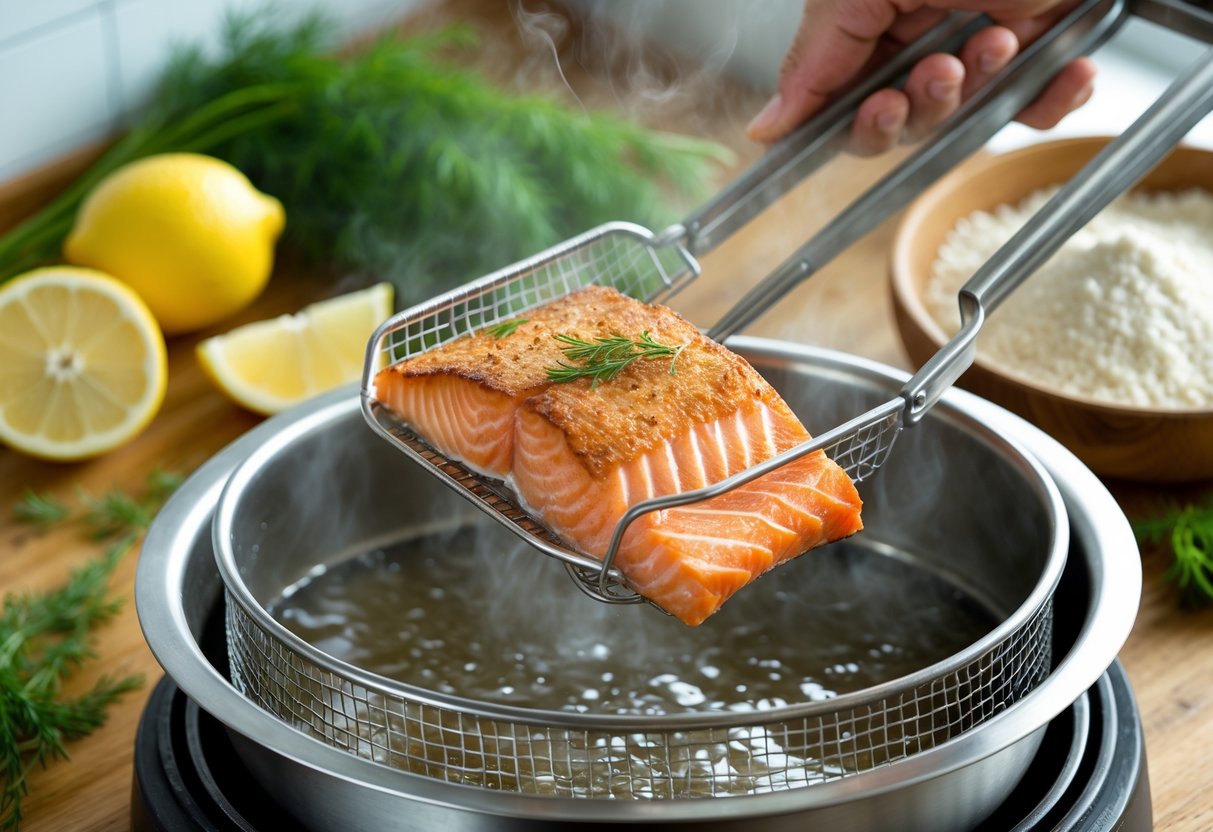
Deep frying salmon might sound a bit unusual at first, but it’s a clever way to bring out a crispy texture while keeping the fish moist and flavorful inside. Many people usually bake or pan-fry salmon, but deep frying gives it that golden crunch that’s hard to resist. Think of it as giving your salmon a tasty coat of armor.
It’s not just about taste; the process is pretty simple too. Once you get the oil temperature just right and coat your salmon well, you’re almost guaranteed that restaurant-style crunch. Plus, it cooks fast—perfect when you’re hungry and don’t want to wait around. If you’re ready to shake up your dinner routine, deep frying salmon might just be your new go-to.
How to Deep Fry Salmon for Crispy Perfection
Deep frying salmon can turn this healthy fish into a crunchy, juicy treat. To get that perfect crispy outside and tender inside, it’s key to pick the right fillets, prepare them well, and control the frying process carefully. Knowing which oil to use and how to handle safety makes all the difference for a great meal.
Selecting the Best Salmon Fillets
Choose fresh, firm fillets with an even thickness around 1 to 1.5 inches. This thickness helps salmon cook evenly without drying out. Wild-caught varieties like sockeye or coho add a great flavor punch. Make sure skin and pin bones are removed for easier eating and to prevent curling when frying.
If frozen, thaw salmon completely and pat dry. Avoid fillets with dull or dry patches—the fresher and shinier, the better your deep-fried salmon will taste. Think of it as setting the stage: good ingredients mean the final act will shine!
Cutting and Preparing Salmon for Frying
Cut salmon into uniform pieces about 3 to 4 inches long, then slice them into strips roughly 1 to 1.5 inches wide and ¾ inch thick. Keeping sizes consistent means each piece cooks at the same rate, so no one ends up raw or overcooked.
Before frying, pat pieces completely dry. This prevents oil splatters and helps the breading stick better. Season lightly with salt and pepper to boost flavor. Treat it like prepping your game plan—small steps here will make the big difference in crispiness and taste.
Breading and Batter Techniques for Salmon
For the crunchiest coating, use a flour-egg-breadcrumb method. Dust salmon in flour, dip in beaten egg, then press into panko or regular breadcrumbs. Panko gives extra crunch with a lighter feel.
A beer batter can add a light, airy crust. Mix flour, beer, and spices to make a smooth batter that clings well. Cornmeal breading offers a Southern twist with a bit of gritty texture and bold flavor.
Apply breading right before frying and shake off excess. This keeps the crust from getting soggy or oily. Think of breading salmon like putting on armor before battle—make it tight and even! 😋
Best Oils for Deep Frying Salmon
Pick oils with high smoke points and neutral flavors for clean, crispy fried salmon:
| Oil Type | Smoke Point (°F) | Flavor Notes |
|---|---|---|
| Peanut Oil | 450 | Neutral, classic fryer |
| Canola Oil | 400 | Light, mild taste |
| Vegetable Oil | 400 | Budget-friendly, neutral |
| Grapeseed Oil | 420 | Light, lets salmon shine |
| Corn Oil | 450 | Slightly sweet hint |
Heat oil slowly to about 350°F. This temperature crisps the outside without drying the inside. A good thermometer saves you from guessing and keeps your salmon golden, not burnt.
Deep Frying Step-by-Step Process
- Heat 3-4 inches of oil in a heavy pot or Dutch oven to 350°F.
- Pat salmon pieces dry and bread them immediately.
- Fry in batches of 2-3 to keep oil hot.
- Cook each side 4-5 minutes until golden and crispy.
- Use a spider or slotted spoon to flip and remove.
- Drain on a wire rack—not paper towels—to keep the crust crunchy.
- Sprinkle with salt right after frying.
Stay close and adjust heat so oil stays between 325-375°F. Hot oil means fast cooking and less greasy salmon.
Safe Deep Frying Practices
Deep frying needs respect! Always watch your hot oil carefully—never leave it unattended. Use a heavy pot with tall sides and avoid overfilling with oil to prevent spills.
Keep handles turned away from the stove edge to avoid accidents. Let oil cool completely before straining or disposing. Kids can watch but should stay a safe distance.
Think of deep frying like a dance with hot oil—one wrong step can spoil the party, so stay alert and keep safety first! 🔥
Serving Ideas for Deep Fried Salmon
Deep-fried salmon shines on its own but pairs well with tasty sides and sauces. Serve with homemade tartar sauce or creamy garlic aioli for dipping.
Try crispy salmon in tacos with zesty slaw or pile it in a soft sub roll for salmon po’ boys. For a twist, make salmon croquettes or southern salmon patties from leftovers.
Sides like french fries, coleslaw, or a crisp salad balance the rich crunch perfectly. Add lemon wedges for a fresh zing, and you’ve got a meal that’s both easy and fancy! 🍋🍟

Trained in classic French technique but raised on slow-cooked ribs and spicy rubs, she blends culinary skill with smoke and soul.
- Recipe for Boneless Pork Chops in Cast Iron Skillet: Sear and Baste to Juicy Perfection - October 3, 2026
- Recipe for Boneless Cross Rib Roast: Slow-Roasted Beef with Herb Crust - October 3, 2026
- Hamburgers in Sauce Recipe Crock Pot: Slow-Cooked Savory Delight - October 3, 2026