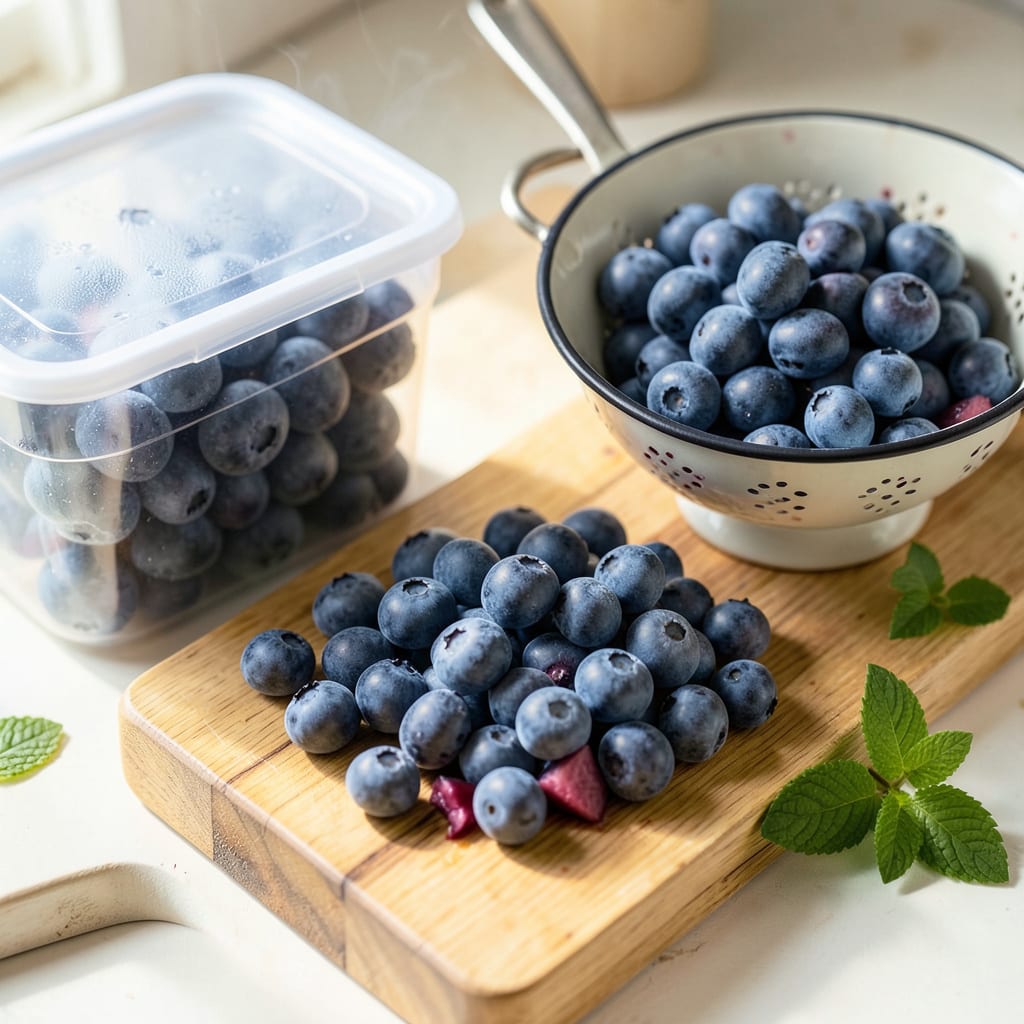
Yes, you can freeze blueberries to preserve freshness for up to 10-12 months. Wash, dry thoroughly, and spread them on a tray before transferring to airtight containers to prevent clumping and freezer burn.
Freezing blueberries is one of my favorite ways to lock in summer sweetness year-round. 🔥 The key is removing excess moisture first—any lingering water turns into ice crystals that damage cell walls, leaving you with mushy berries. I always use a paper towel to pat them completely dry before the tray freeze. This method works beautifully for smoothies, baked goods, or even as a frozen snack straight from the freezer.
What most people don’t realize is how versatile frozen blueberries become in cooking. They release juices differently than fresh, which actually enhances muffins and pancakes with concentrated flavor. Just remember that once thawed, their texture changes permanently—perfect for recipes but not for fresh eating.
💡 In This Article
- How Freezing Affects Blueberry Texture and Flavor
- Step-by-Step Guide to Freezing Blueberries Perfectly
How Freezing Affects Blueberry Texture and Flavor
When blueberries freeze, the water inside their cells forms sharp ice crystals that physically rupture cell walls. This is why thawed berries often feel softer—their internal structure has been altered. The key factor is moisture content: berries with surface water develop larger ice crystals that cause more damage.
That’s why professional kitchens use salad spinners to remove every drop before freezing.
Temperature fluctuations in your freezer make things worse. Each time the temperature rises above 0°F, ice crystals melt slightly then refreeze larger. This is why commercial operations use blast freezers at -40°F to freeze berries in minutes, preserving texture. Home freezers work best when kept at a consistent 0°F or below.
The natural pectin in blueberries helps maintain some structure, but expect about 20% softening compared to fresh.
Flavor concentration actually improves during freezing. As water crystallizes, the remaining liquid becomes more concentrated with sugars and acids. This is why frozen blueberries taste sweeter in smoothies—they’ve lost some water content but retained all their flavor compounds.
Baking applications benefit most because the softened texture blends perfectly into batters while the intensified flavor shines through.
Here’s what’s actually happening during thawing: the damaged cell walls release more juice immediately. For smoothies, this means richer color and flavor without added liquid. For baking, it creates beautiful purple swirls in muffins. But for fresh eating, the mushy texture becomes noticeable.
Pro chefs often use frozen blueberries directly in hot applications to minimize texture changes.
The science behind this involves osmosis. As blueberries thaw, their concentrated internal juices rush out to balance with the surrounding moisture. This is why frozen blueberries work so well in recipes with absorbant ingredients like oatmeal or pancake batter—they infuse flavor deeply.
For best results, use them within 8-10 months before freezer burn begins affecting quality.
What most people don’t realize is that blueberry skins contain most of the antioxidants. Freezing preserves these compounds remarkably well—studies show 90% retention of anthocyanins after 6 months. The skins do toughen slightly during freezing, which is why they hold up better in cooked applications than fresh eating. 💫

Trained in classic French technique but raised on slow-cooked ribs and spicy rubs, she blends culinary skill with smoke and soul.
- Recipe for Boneless Pork Chops in Cast Iron Skillet: Sear and Baste to Juicy Perfection - October 3, 2026
- Recipe for Boneless Cross Rib Roast: Slow-Roasted Beef with Herb Crust - October 3, 2026
- Hamburgers in Sauce Recipe Crock Pot: Slow-Cooked Savory Delight - October 3, 2026