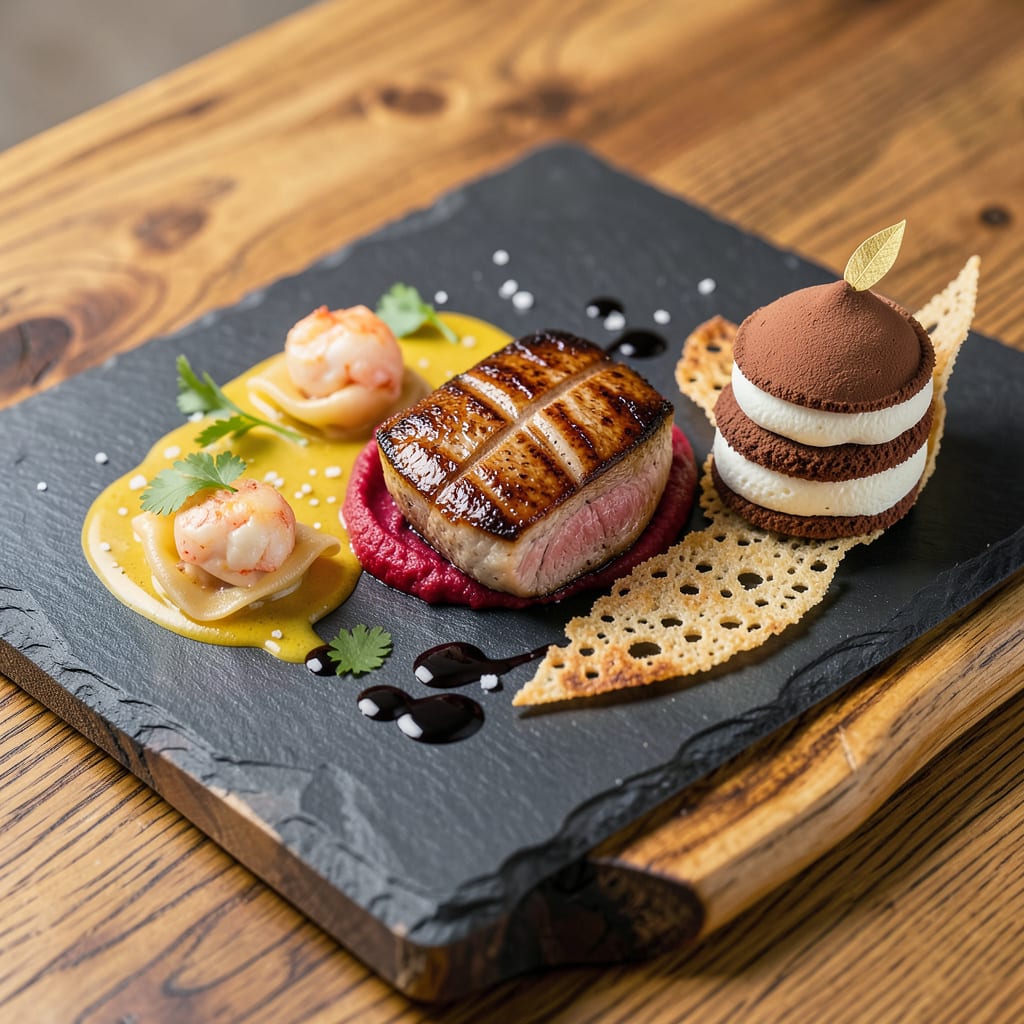
An executive chef oversees kitchen operations, creates menus, manages staff, ensures food quality, and maintains budgets while leading culinary teams in restaurants, hotels, or catering services. They blend creativity with leadership to deliver exceptional dining experiences.
This role is where culinary artistry meets business acumen—imagine orchestrating a 20-course tasting menu while keeping payroll under control. 🔥 I’ve seen executive chefs transform struggling kitchens by implementing cost-saving inventory systems without sacrificing quality. Their days might start with supplier negotiations at 6 AM and end with perfecting a new sous-vide technique at midnight. The best ones make it look effortless, but it’s actually a high-wire act balancing staff morale, food trends, and profit margins.
💡 In This Article
- Core Responsibilities of an Executive Chef in Professional Kitchens
- Skills and Qualifications Needed to Become an Executive Chef
Core Responsibilities of an Executive Chef in Professional Kitchens
An executive chef’s day begins before the kitchen opens—often at 5 AM reviewing inventory reports and supplier deliveries. The real magic happens during menu development, where they balance seasonal availability with cost analysis.
I’ve watched chefs create 12-course tasting menus while calculating food costs down to the penny, ensuring each dish maintains at least a 60% profit margin. This requires mastering food cost percentages and understanding how ingredient fluctuations affect pricing. 🔥
The staff management system they implement determines kitchen efficiency. A well-run brigade follows the French brigade system, with clear roles from sous chefs to dishwashers. Training programs might include weekly knife skills workshops or cross-training sessions where line cooks learn multiple stations.
The best chefs use daily pre-service meetings to align the team—reviewing specials, allergens, and service timing. These systems prevent the chaos that sinks lesser kitchens during peak hours. ✨
Inventory control becomes an art form at this level. Top chefs implement FIFO (First In, First Out) systems with color-coded labels and digital tracking. I’ve seen walk-in fridges organized like libraries, where every protein has its designated shelf and expiration dates are checked twice daily.
Waste reduction tactics might include repurposing vegetable trimmings into stocks or creating daily specials to use over-ordered ingredients. These practices can reduce food waste by 20-30% annually. 💫
The creative process never stops—even during service. While expediting orders during a 200-cover Friday night, executive chefs mentally note which dishes need refinement. They might adjust a sous-vide temperature from 145°F to 147°F for perfect doneness, or tweak plating techniques between courses.
The ability to maintain quality while managing multiple ticket times separates good chefs from great ones. This multitasking requires spatial awareness akin to air traffic control. ⚡
Quality assurance happens at every touchpoint. From testing meat temperatures with instant-read thermometers to performing plate inspections before dishes leave the pass, nothing escapes their notice. I’ve worked with chefs who could detect undersalted food from across the kitchen, or spot a misaligned garnish on a plate moving at speed.
This obsession with detail ensures every guest receives the same exceptional experience, whether it’s their first visit or fiftieth. 🌟
Financial acumen proves just as crucial as culinary skill. Monthly P&L reviews become ritual, where they analyze labor costs (aiming for 25-30% of sales) and food cost percentages (typically 28-32%). Negotiating with purveyors might save $2,000/month on seafood orders, while strategic menu engineering can boost profits on high-margin items.
The best chefs treat the kitchen like a business where every quarter-ounce of saffron and minute of labor counts. 💛
Perhaps most importantly, they cultivate kitchen culture. The difference between a toxic kitchen and an inspired team often comes down to how the executive chef handles service crunches and staff conflicts.
I’ve seen chefs defuse tensions with well-timed humor during Saturday night rushes, or boost morale by cooking family meal for the staff after a brutal double shift. This leadership transforms kitchens from pressure cookers into creative powerhouses. 🌟

Trained in classic French technique but raised on slow-cooked ribs and spicy rubs, she blends culinary skill with smoke and soul.
- Recipe for Boneless Pork Chops in Cast Iron Skillet: Sear and Baste to Juicy Perfection - October 3, 2026
- Recipe for Boneless Cross Rib Roast: Slow-Roasted Beef with Herb Crust - October 3, 2026
- Hamburgers in Sauce Recipe Crock Pot: Slow-Cooked Savory Delight - October 3, 2026