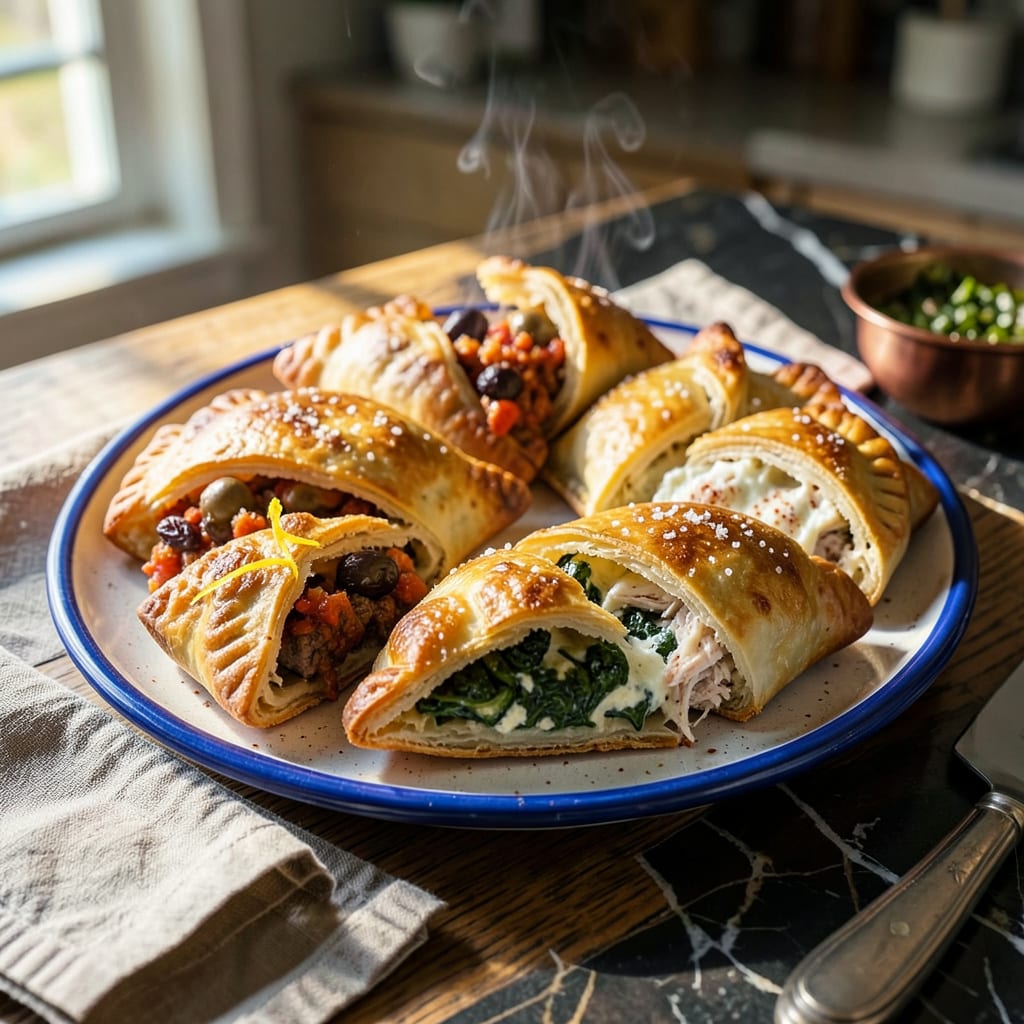
Yes, you can freeze empanadas—both baked and unbaked—for up to 3 months. Wrap them tightly in plastic or aluminum foil, then store in an airtight container to prevent freezer burn. Thaw in the fridge before reheating or baking.
Freezing empanadas is a game-changer for meal prep, especially when you’re working with delicate dough or rich fillings. 🔥 The key is controlling moisture—too much air exposure leads to dry, crumbly pastry after thawing. I’ve found that unbaked empanadas actually hold up better in the freezer because the dough hasn’t yet developed gluten strands that can toughen when frozen. For best results, flash-freeze them on a tray first to maintain their shape before packing them together.
What most people overlook is how fillings behave differently. Meat-based empanadas freeze beautifully, while cheese-heavy versions can become grainy if not cooled properly before freezing. Always let freshly baked ones reach room temperature first—this prevents condensation inside the wrapping that creates ice crystals. My pro tip? Label everything with dates and filling types to avoid mystery meals later!
💡 In This Article
- How Freezing Affects Empanada Texture and Flavor
- Step-by-Step Guide to Freezing and Reheating Empanadas
How Freezing Affects Empanada Texture and Flavor
The moment empanadas hit the freezer, two critical processes begin: moisture migration and fat crystallization. In unbaked empanadas, the butter or lard in the dough solidifies into sharp crystals that can puncture gluten strands when thawed.
This is why professional bakers recommend freezing unbaked versions—the dough hasn’t yet developed its final structure, so it recovers better. Baked empanadas face different challenges: their crispy exterior absorbs moisture from fillings during freezing, often emerging soggy if not properly wrapped.
Fillings behave dramatically differently under freezing conditions. Meat-based fillings (like beef picadillo or chicken) maintain their texture because proteins coagulate during cooking, creating a stable structure.
Cheese fillings, however, separate and become grainy when frozen due to moisture loss—this is why queso fresco empanadas need an extra egg wash before freezing to act as a protective barrier. Vegetable fillings release water as ice crystals form, which is why I always pre-cook and drain them thoroughly before assembly.
Temperature fluctuations are the silent killer of frozen empanadas. Each time the freezer door opens, surface ice crystals form and refreeze, creating microscopic tears in the dough. This is why commercial kitchens use blast freezers (-20°F) to freeze empanadas in under 30 minutes, preserving cell structure.
Home freezers (typically 0°F) work fine if you mimic this principle: freeze empanadas on a tray first before bagging to prevent temperature shock when they’re packed together.
The thawing process reveals all freezing sins. Rapid thawing (like microwaving) causes uneven expansion—dough warms faster than fillings, leading to cracked shells. Fridge thawing (8-12 hours) allows gradual temperature equalization, though I’ve found that unbaked empanadas benefit from an additional 30-minute counter rest to relax the gluten before baking.
The real test comes when reheating: oven-baked frozen empanadas regain about 85% of their original crispness, while air-fried versions can achieve 90% if properly preheated to 375°F.
Here’s what most recipes won’t tell you: freezing actually improves some flavors. The cold concentrates spices and allows fat to redistribute, which is why my chorizo-beef empanadas taste richer after freezing. The tradeoff comes with texture—expect baked versions to be about 15% less flaky than fresh, while unbaked ones can develop a slightly denser crumb.
The solution? Brush thawed empanadas with egg wash before baking to restore that golden, crisp finish.
Pro tip from my test kitchen: Freeze empanadas on parchment-lined trays first, then transfer to bags. This prevents the dough from sticking and creates micro air pockets that insulate against freezer burn. For fillings with potatoes (like papa rellena style), add 1 tsp cornstarch per cup of filling to absorb excess moisture during thawing.
The difference in final texture is astonishing—crisp where it should be, tender where it matters.
The freezer becomes your ally when you understand these principles. I’ve stored empanadas for up to 4 months using vacuum sealing, though 3 months is the sweet spot for quality.
The real magic happens when you pair proper freezing with smart reheating—like finishing oven-warmed empanadas under the broiler for 2 minutes to revive that just-baked crunch. That’s how you turn frozen convenience into restaurant-quality results. ✨

Trained in classic French technique but raised on slow-cooked ribs and spicy rubs, she blends culinary skill with smoke and soul.
- Recipe for Boneless Pork Chops in Cast Iron Skillet: Sear and Baste to Juicy Perfection - October 3, 2026
- Recipe for Boneless Cross Rib Roast: Slow-Roasted Beef with Herb Crust - October 3, 2026
- Hamburgers in Sauce Recipe Crock Pot: Slow-Cooked Savory Delight - October 3, 2026