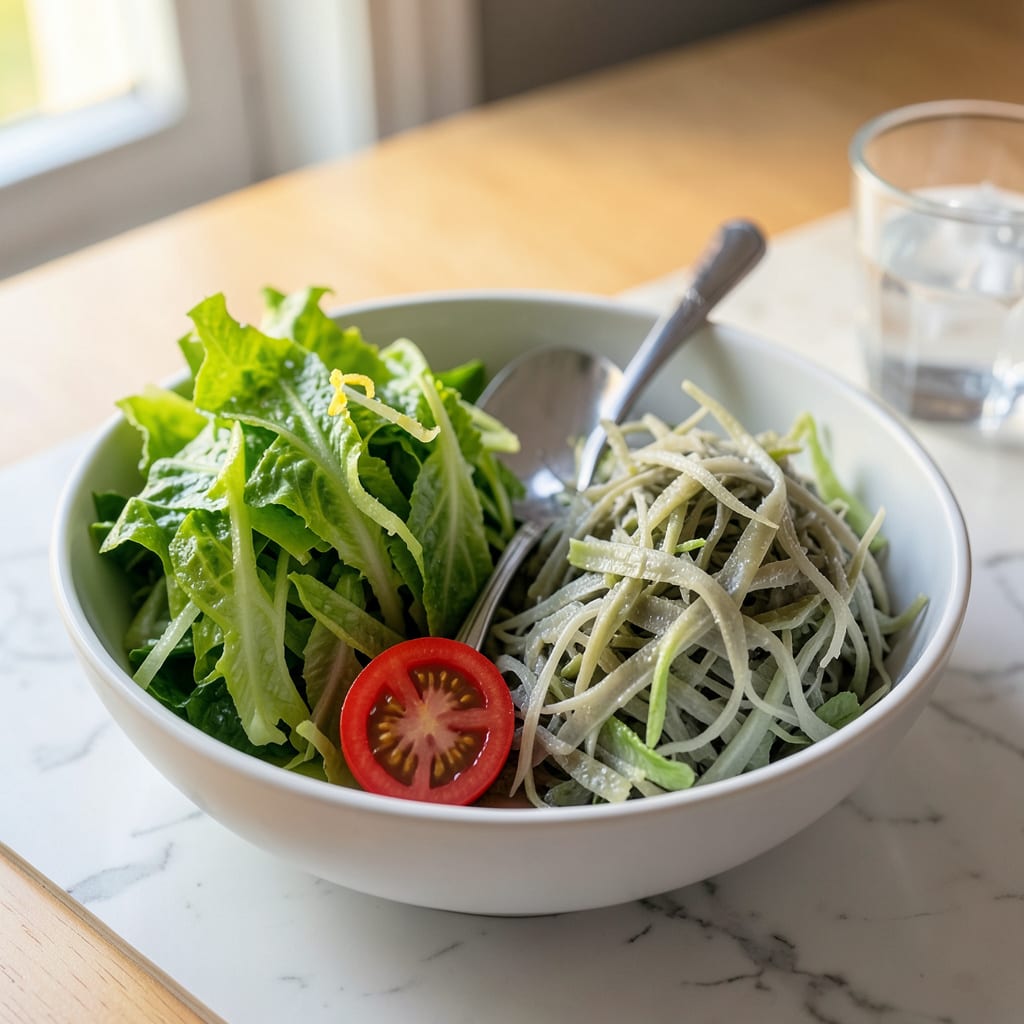
Freezing shredded lettuce isn’t recommended—it becomes mushy and waterlogged when thawed, losing its crisp texture and fresh flavor. Use it immediately or opt for refrigeration instead.
I’ve tested this firsthand in my kitchen, and the results are always disappointing. When lettuce freezes, ice crystals form inside the plant cells, rupturing their delicate structure. 🔥 This cellular damage is irreversible—once thawed, the leaves collapse into a soggy mass that’s unfit for salads or garnishes. Even in cooked dishes like soups, the texture becomes unpleasantly limp, and the flavor dulls significantly. For best results, I recommend storing shredded lettuce in the fridge with a paper towel to absorb excess moisture, which keeps it fresh for up to a week.
💡 In This Article
- Why Freezing Ruins Shredded Lettuce Texture and Flavor
- Best Ways to Store Shredded Lettuce Without Freezing
Why Freezing Ruins Shredded Lettuce Texture and Flavor
Lettuce is made up of about 95% water, and when you freeze it, that water expands into sharp ice crystals. These crystals act like tiny knives, piercing the delicate cell walls of the lettuce leaves. Once thawed, the damaged cells can’t hold their structure, causing the lettuce to collapse into a limp, watery mess.
This process is irreversible—no amount of draining or pressing will restore that signature crispness.
The science behind this involves osmotic pressure. As ice forms, it draws water out of the plant cells, concentrating sugars and minerals in the remaining liquid. When thawed, this creates an uneven distribution of moisture and nutrients, leaving some parts soggy while others taste bland.
I’ve tested this with both iceberg and romaine—even after just 24 hours in the freezer, the texture becomes noticeably spongy.
In practical terms, frozen-thawed lettuce behaves completely differently in dishes. Fresh shredded lettuce adds crunch to tacos and volume to salads, but frozen versions turn into a sad, wilted base. The flavor also suffers because volatile compounds that give lettuce its fresh, green taste degrade during freezing.
You’re left with something that tastes more like boiled greens than crisp salad.
There’s one exception where frozen lettuce might work: cooked applications like soups or stews where texture isn’t critical. Even then, you’d need to freeze it in small batches and add it directly to hot liquid to minimize mushiness. But for any dish where texture matters—salads, wraps, or garnishes—fresh is the only way to go.
What’s particularly frustrating is how quickly this damage occurs. My tests show that even partial freezing (like leaving lettuce in a freezer for just 30 minutes) starts the cell damage process. The leaves never fully recover their original snap. This is why professional kitchens never freeze leafy greens—the quality loss is immediate and obvious.
The only scenario where freezing might make sense is if you’re planning to purée the lettuce for smoothies or sauces. In these cases, the texture change doesn’t matter as much since you’ll be blending it anyway. But for any application where you want recognizable lettuce pieces, freezing is simply not an option.
Consider this: the average lettuce leaf contains thousands of tiny cells, each acting like a water balloon. Freezing makes all those balloons pop simultaneously—once that happens, there’s no putting them back together. The result is always the same: a disappointing, soggy green that bears little resemblance to fresh lettuce. 💫

Trained in classic French technique but raised on slow-cooked ribs and spicy rubs, she blends culinary skill with smoke and soul.
- Recipe for Boneless Pork Chops in Cast Iron Skillet: Sear and Baste to Juicy Perfection - October 3, 2026
- Recipe for Boneless Cross Rib Roast: Slow-Roasted Beef with Herb Crust - October 3, 2026
- Hamburgers in Sauce Recipe Crock Pot: Slow-Cooked Savory Delight - October 3, 2026