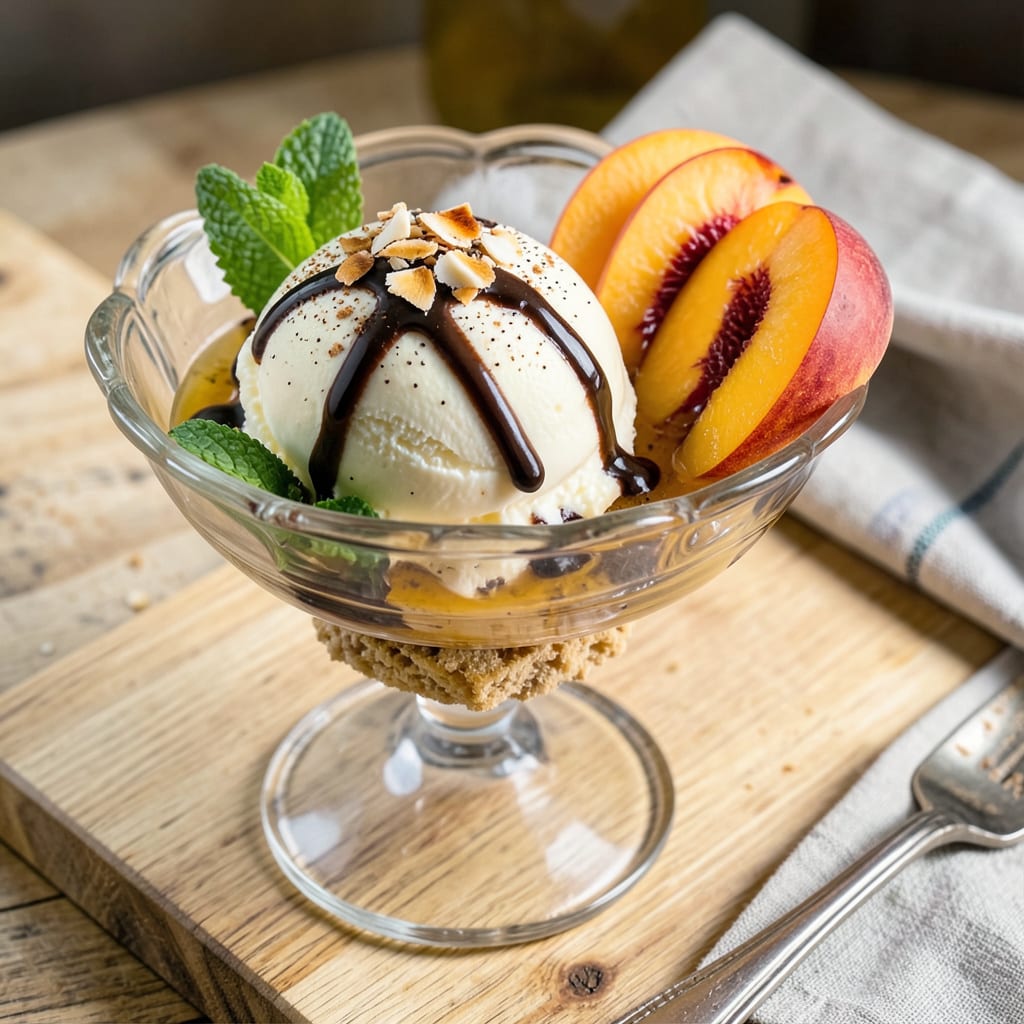
Yes, you can make creamy ice cream without heavy cream by using substitutes like whole milk with butter, coconut milk, sweetened condensed milk, Greek yogurt, or evaporated milk. Each creates a different texture and richness.
I’ve tested these alternatives extensively in my kitchen, and the secret lies in balancing fat content. 🔥 Whole milk with melted butter mimics heavy cream’s richness, while coconut milk adds a tropical note but requires careful churning to avoid iciness. Sweetened condensed milk is my go-to for no-churn recipes because its high sugar content prevents ice crystals from forming. What surprises most people is how Greek yogurt’s natural tanginess can actually enhance fruit-based flavors—it’s not just a substitute, but a flavor booster in its own right.
💡 In This Article
- How Dairy and Non-Dairy Substitutes Work in Ice Cream
- Best No-Heavy-Cream Ice Cream Recipes by Substitute
How Dairy and Non-Dairy Substitutes Work in Ice Cream
The magic of creamy ice cream comes down to fat content and how it interacts during freezing. Heavy cream typically contains 36-40% fat, which creates tiny fat globules that coat ice crystals, preventing that grainy texture. When you replace it, you need to match this fat percentage as closely as possible.
Whole milk with added butter (about 3 tablespoons per cup) gets you to that ideal range, while coconut milk naturally sits around 24% fat—close enough for smooth results but with a distinct flavor profile.
What most people don’t realize is that fat isn’t the only player—protein matters too. Heavy cream has about 2% protein, which helps stabilize the mixture. Greek yogurt brings both fat (10% in full-fat versions) and protein (10g per cup), creating a denser, almost custard-like texture.
Sweetened condensed milk works differently: its 60% sugar content lowers the freezing point, preventing ice crystals from forming even without churning. This is why no-churn recipes rely on it so heavily.
The freezing process changes dramatically with substitutes. Coconut milk’s saturated fats freeze harder than dairy fats, which can make the ice cream slightly chewier if over-churned. Evaporated milk (with 6.5% fat) needs extra egg yolks or corn syrup to compensate for its lower fat content.
I’ve found that churning times vary too: whole milk + butter blends need 20-25 minutes in an ice cream maker, while coconut milk often reaches perfect consistency in just 15-18 minutes. 🔥
Temperature control becomes even more critical with substitutes. Dairy alternatives often have different freezing points—coconut milk, for instance, starts setting up at 28°F compared to dairy’s 31°F. This means you’ll want to serve non-dairy versions slightly softer (after 1-2 hours in the freezer) to avoid rock-hard texture.
The emulsification process also differs: yogurt’s live cultures can separate during freezing, so stirring in a stabilizer like 1 teaspoon of guar gum per quart prevents iciness.
Here’s what’s actually happening at the molecular level: fat globules in heavy cream are naturally coated with milk proteins that prevent them from clumping. When you use butter in whole milk, those proteins aren’t present, so you need to whisk vigorously to create a stable emulsion.
Coconut milk’s fats are already in a different structural form (mostly lauric acid), which is why it behaves so differently during churning. The key factor is creating enough air incorporation—called “overrun”—which is why commercial ice creams are so light but homemade versions feel denser.
Flavor development changes too with substitutes. The Maillard reaction (browning) happens differently in plant-based fats, which is why caramel or vanilla flavors taste more pronounced in coconut milk bases. Dairy substitutes like evaporated milk can highlight fruit flavors more sharply because they lack the masking effect of heavy cream’s rich mouthfeel.
What surprises most people is how Greek yogurt’s slight tang actually enhances chocolate and berry flavors rather than competing with them. ✨
The science behind this involves understanding water activity in your base. Heavy cream has about 55% water content, while coconut milk sits around 50%. Less water means fewer ice crystals, which is why full-fat substitutes generally work better than low-fat options.
When using evaporated milk, I always add 1-2 tablespoons of vodka or corn syrup to further depress the freezing point and improve scoopability straight from the freezer.

Trained in classic French technique but raised on slow-cooked ribs and spicy rubs, she blends culinary skill with smoke and soul.
- Recipe for Boneless Pork Chops in Cast Iron Skillet: Sear and Baste to Juicy Perfection - October 3, 2026
- Recipe for Boneless Cross Rib Roast: Slow-Roasted Beef with Herb Crust - October 3, 2026
- Hamburgers in Sauce Recipe Crock Pot: Slow-Cooked Savory Delight - October 3, 2026