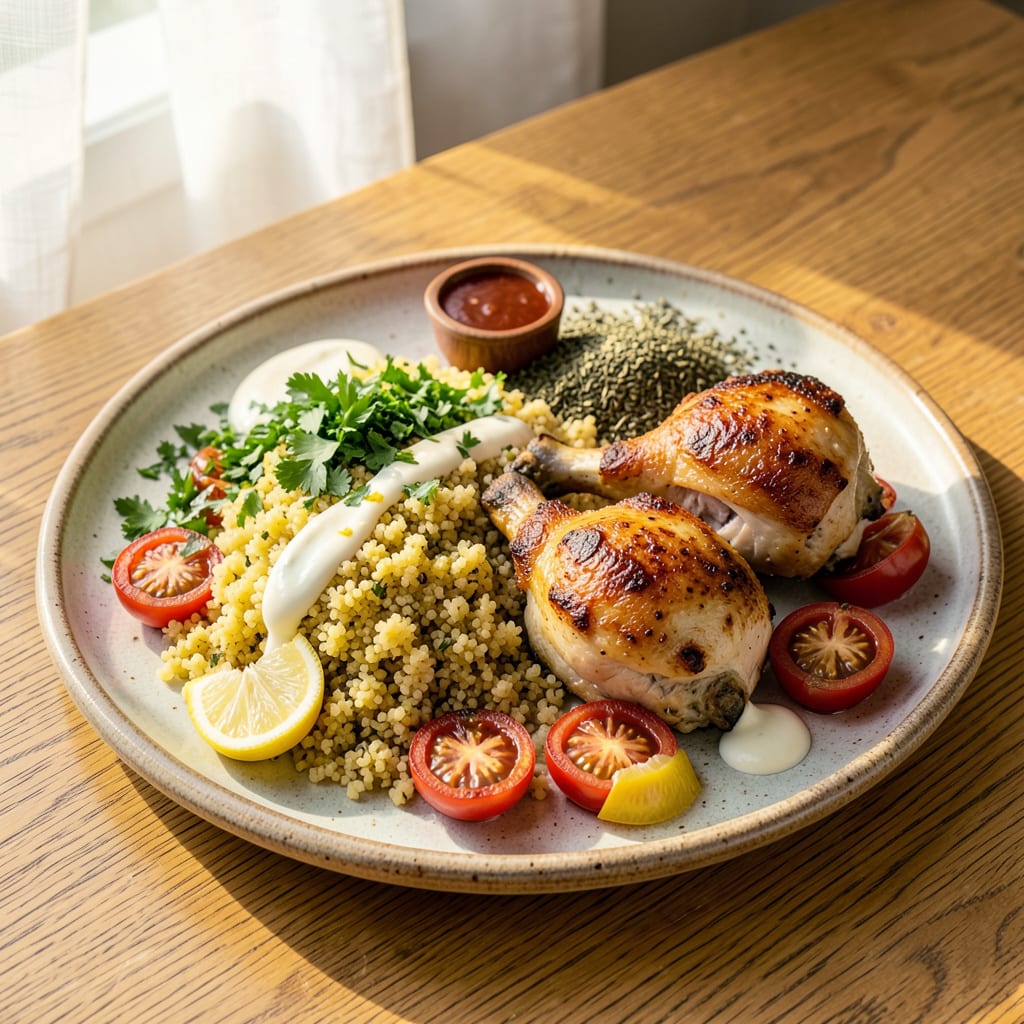
Yes, you can substitute dried parsley for fresh, but use one-third the amount since dried herbs are more concentrated. Note that dried parsley lacks the bright, grassy flavor of fresh and works best in cooked dishes rather than garnishes.
I’ve found this swap works beautifully in slow-cooked dishes where the herb has time to rehydrate and release its flavor. 🔥 Think hearty stews, braised meats, or tomato sauces where the parsley simmers for at least 20-30 minutes. The key difference lies in the aromatic compounds—fresh parsley contains volatile oils that evaporate during drying, leaving behind a more muted, earthy profile. That’s why I always reach for fresh when making herb butter or finishing a dish, but keep dried on hand for convenience in long-cooked recipes.
💡 In This Article
- How Drying Changes Parsley’s Flavor and Potency
- Best Practices for Substituting Dried Parsley in Recipes
How Drying Changes Parsley’s Flavor and Potency
The dehydration process removes about 90% of parsley’s moisture content
, which dramatically concentrates its remaining flavor compounds. Fresh parsley contains delicate volatile oils like apiole and myristicin that give it that bright, slightly peppery aroma. When dried, these oils partially degrade and oxidize, leaving behind a more subdued, earthy profile with hints of hay-like sweetness. This is why you’ll notice dried parsley smells stronger but tastes less vibrant than fresh. 🔥Texture plays a huge role in the substitution. Fresh parsley leaves contain cell walls that burst with herbal juices when chewed, while dried parsley becomes brittle and crumbly. A single tablespoon of fresh parsley (about 3-4 grams) reduces to roughly 1 gram when dried—that’s why the standard 3:1 fresh-to-dried ratio works.
The drying process also causes chlorophyll to break down, shifting the color from vibrant green to a duller olive hue.
Heat application reveals the biggest difference. Fresh parsley maintains its structure and releases flavor gradually when heated, while dried parsley rehydrates quickly in liquids, releasing its concentrated flavor within 5-10 minutes of cooking. I’ve noticed this works beautifully in long-simmered dishes like minestrone or beef bourguignon, where the dried herb has time to fully infuse.
The flavor profile becomes more uniform throughout the dish rather than providing bright pops of freshness.
What most home cooks overlook is the impact on visual presentation. Fresh parsley adds vibrant green specks and height to dishes, while dried parsley tends to sink into liquids or cling to surfaces.
In my competition BBQ days, I learned that dried parsley works wonderfully in rubs (where it adheres to meat surfaces) but falls flat as a garnish. The texture difference becomes especially noticeable in cold applications like potato salad or tzatziki, where fresh parsley provides necessary contrast.
The storage factor also affects potency. Dried parsley exposed to light and air loses about 50% of its remaining volatile oils within 6 months, while properly stored fresh parsley (wrapped in damp paper towels) maintains its flavor for up to 2 weeks.
This degradation explains why older dried parsley might require even less than the standard 1:3 ratio—sometimes as little as 1/4 the fresh amount for balanced flavor.
For those who forage wild herbs like I do, you’ll notice the difference even more starkly. Wild parsley varieties often have higher oil content than cultivated types, making their dried versions particularly potent. I once made the mistake of using equal amounts in a white sauce—what should have been subtle herbal notes became overwhelmingly bitter.
That taught me to always start with half the recommended dried amount and adjust to taste. ✨

Trained in classic French technique but raised on slow-cooked ribs and spicy rubs, she blends culinary skill with smoke and soul.
- Recipe for Boneless Pork Chops in Cast Iron Skillet: Sear and Baste to Juicy Perfection - October 3, 2026
- Recipe for Boneless Cross Rib Roast: Slow-Roasted Beef with Herb Crust - October 3, 2026
- Hamburgers in Sauce Recipe Crock Pot: Slow-Cooked Savory Delight - October 3, 2026