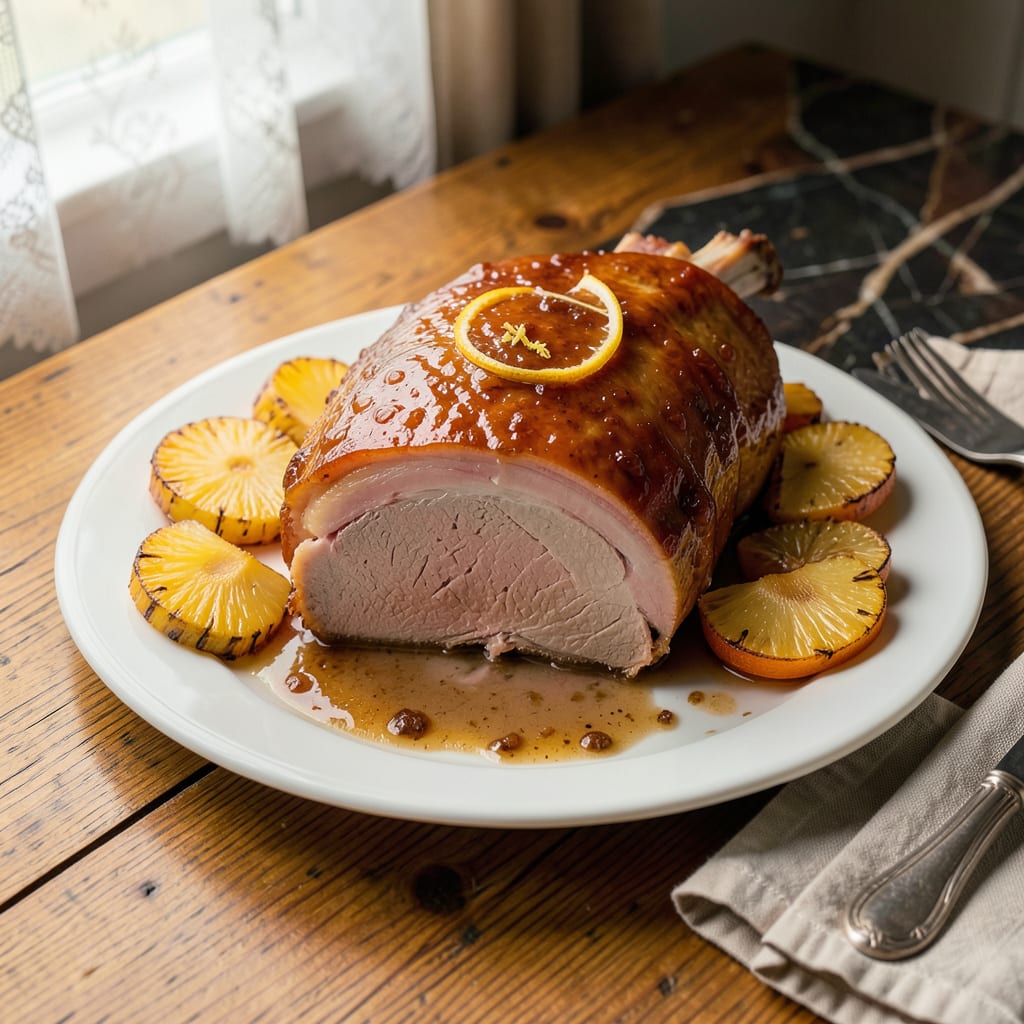
Mushy ham usually results from overcooking at too low a temperature, improper thawing, or excessive moisture during cooking. Slow cookers and boiling can also break down proteins too much, ruining the texture.
As a pitmaster who’s cooked hundreds of hams, I’ve found the secret lies in protein science. When ham sits in moisture too long—whether from slow cooking or improper thawing—the muscle fibers absorb liquid and swell. 🔥 This creates that unpleasant, soft texture instead of the firm bite you want. The real game-changer is understanding how different methods affect collagen: dry heat preserves structure, while wet methods like boiling turn it to mush.
What many home cooks overlook is the thawing process. Leaving ham at room temperature or microwaving it creates uneven moisture distribution. I always recommend cold water baths for even thawing—this prevents those soggy pockets that lead to mushy results. ✨
💡 In This Article
- Scientific Reasons Behind Mushy Ham Texture
- Preventing and Fixing Mushy Ham in Your Kitchen
Scientific Reasons Behind Mushy Ham Texture
When ham becomes mushy, it’s all about protein denaturation gone wrong. The muscle fibers in ham contain two key proteins: myosin and actin. At temperatures below 140°F, these proteins unravel too slowly, allowing excess moisture to seep into the cellular structure. This creates a waterlogged effect that turns firm meat into a soft, unpleasant texture.
The collagen in ham also plays a role—it needs precise heat to convert into gelatin without breaking down completely.
Different cooking methods attack ham’s structure in unique ways. Slow cookers maintain temperatures around 170-200°F for hours, which gives enzymes too much time to break down muscle fibers. Boiling is even worse—submerging ham in 212°F water causes rapid protein contraction followed by excessive moisture absorption.
🔥 Compare this to roasting at 325°F, where dry heat creates a firmer exterior while preserving internal structure through controlled moisture evaporation.
The thawing process creates another vulnerability. Ice crystals formed during freezing puncture cell walls. When thawed improperly (like at room temperature), these damaged cells release juices that get reabsorbed unevenly. Cold water thawing at 40°F or below prevents this by maintaining cellular integrity.
I’ve seen hams lose up to 20% of their ideal texture from poor thawing methods alone.
Moisture management during cooking separates success from failure. Ham contains about 70% water naturally—too much additional liquid (like in braising) dilutes the protein matrix. The ideal cooking environment allows surface evaporation while keeping internal moisture balanced. This is why professional pitmasters often rest ham uncovered after cooking: it lets excess surface moisture escape before slicing.
Here’s what most home cooks miss: the pH factor. Ham typically sits at pH 5.8-6.2, where muscle proteins are most stable. Adding acidic ingredients (like pineapple or vinegar) during cooking can drop the pH below 5.5, causing proteins to contract sharply and expel moisture.
✨ This creates pockets of liquid that turn to mush when reheated—another reason why glaze timing matters so much in ham preparation.
Even the ham’s cure affects texture. Wet-cured hams (brined in solution) absorb 10-15% more liquid than dry-cured, making them more prone to mushiness if overcooked. The salt concentration in curing also impacts protein cohesion—too little salt weakens the protein bonds, while proper curing (about 3-5% salt by weight) maintains structural integrity during cooking.
The final piece? Carryover cooking. Ham continues cooking internally for 15-30 minutes after removal from heat. Pulling it at exactly 145°F (USDA recommendation) accounts for this rise to 150-155°F, preserving texture. 💫 Many mushy hams I’ve diagnosed were actually overcooked by 10-15°F from ignoring this critical rest period.

Trained in classic French technique but raised on slow-cooked ribs and spicy rubs, she blends culinary skill with smoke and soul.
- Recipe for Boneless Pork Chops in Cast Iron Skillet: Sear and Baste to Juicy Perfection - October 3, 2026
- Recipe for Boneless Cross Rib Roast: Slow-Roasted Beef with Herb Crust - October 3, 2026
- Hamburgers in Sauce Recipe Crock Pot: Slow-Cooked Savory Delight - October 3, 2026