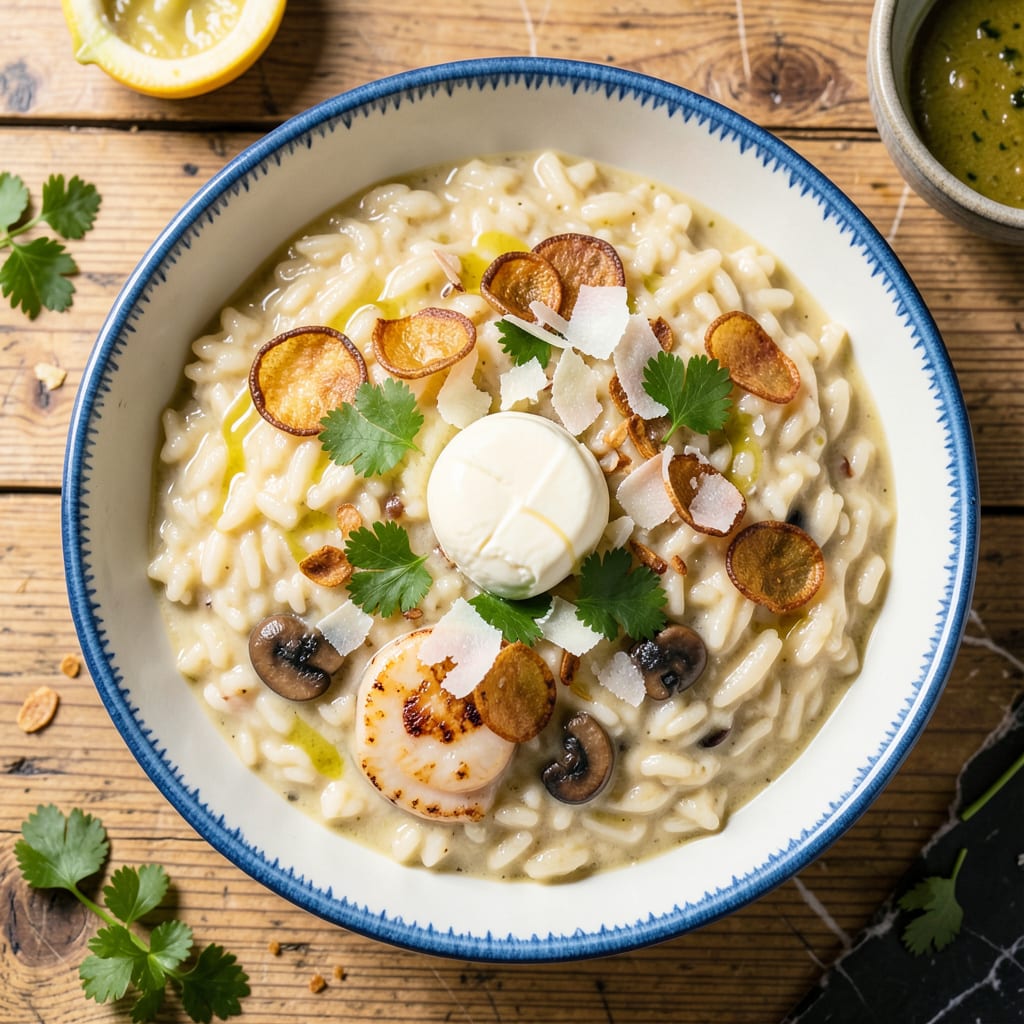
Jasmine rice isn’t ideal for risotto because its low starch content prevents the creamy texture risotto requires. It stays firm and separate instead of absorbing liquid evenly, leading to a grainy or dry result.
As a chef who’s worked with both French and Asian techniques, I’ve learned that risotto’s signature creaminess comes from the high amylopectin starch in short-grain varieties like Arborio. Jasmine’s long, slender grains are designed to stay intact, which is perfect for stir-fries but problematic for risotto’s slow-cooked consistency. 🔥 The difference is like comparing a sturdy oak plank to soft clay—one holds its shape, while the other molds beautifully under pressure.
If you’re in a pinch, I’d suggest adjusting your approach: use extra broth and constant stirring to coax out what little starch jasmine has, but expect a looser, less cohesive dish. For true risotto magic, reaching for the right rice makes all the difference.
💡 In This Article
- Why Jasmine Rice Fails in Traditional Risotto Recipes
- Best Rice Substitutes for Risotto When Jasmine Is Your Only Option
Why Jasmine Rice Fails in Traditional Risotto Recipes
The secret to risotto’s velvety texture lies in the rice’s amylopectin starch, a type of carbohydrate that breaks down during cooking to create that signature creaminess. Jasmine rice contains only about 15-18% amylopectin, while traditional risotto rices like Arborio boast 25-30%. This difference means jasmine lacks the “glue” needed to bind the dish together.
The grains stay stubbornly separate, like uncooperative puzzle pieces that refuse to interlock.
Jasmine’s long, slender grain structure is designed to resist breaking, which is perfect for fluffy stir-fries but disastrous for risotto. During the slow cooking process, Arborio grains gradually release starch while maintaining their core integrity, creating that magical balance of creamy yet al dente.
Jasmine’s grains, however, stay firm and intact—imagine trying to build a sandcastle with pebbles instead of damp sand. 🏖️ The liquid just pools around the grains rather than being absorbed evenly.
Temperature plays a crucial role too. Risotto rice needs to reach 195-205°F internally to properly gelatinize its starches. Jasmine rice cooks at a lower temperature range (185-195°F), which means even if you extend cooking time, you’ll never achieve the same starch release. The result?
A dish that’s either undercooked and crunchy or overcooked and mushy—but never that perfect, flowing consistency.
Here’s what happens on a microscopic level: When you stir risotto, you’re encouraging the starch granules to swell and burst, releasing their contents into the cooking liquid. Jasmine’s starch granules are smaller and more resistant to this process.
They’ll absorb about 20% less liquid than Arborio, leaving you with either a watery mess or a dry, clumpy disappointment. The difference is like comparing a sponge to a brick—one soaks up moisture, the other just gets wet on the surface.
Even the protein content works against you. Jasmine rice has about 7-8% protein compared to Arborio’s 5-6%. Higher protein means the grains hold their shape more aggressively during cooking. That’s why your jasmine risotto will always taste more like “rice in broth” than a cohesive, creamy dish.
The protein acts like little shields protecting each grain from the very breakdown you’re trying to achieve.
If you’ve ever wondered why professional chefs are so particular about rice varieties, this is why. The right rice isn’t just about tradition—it’s about chemistry. Every grain type has been bred for specific purposes, and trying to force jasmine rice into a risotto role is like asking a motorcycle to plow a field.
✨ It might move forward, but you won’t like the results.

Trained in classic French technique but raised on slow-cooked ribs and spicy rubs, she blends culinary skill with smoke and soul.
- Recipe for Boneless Pork Chops in Cast Iron Skillet: Sear and Baste to Juicy Perfection - October 3, 2026
- Recipe for Boneless Cross Rib Roast: Slow-Roasted Beef with Herb Crust - October 3, 2026
- Hamburgers in Sauce Recipe Crock Pot: Slow-Cooked Savory Delight - October 3, 2026