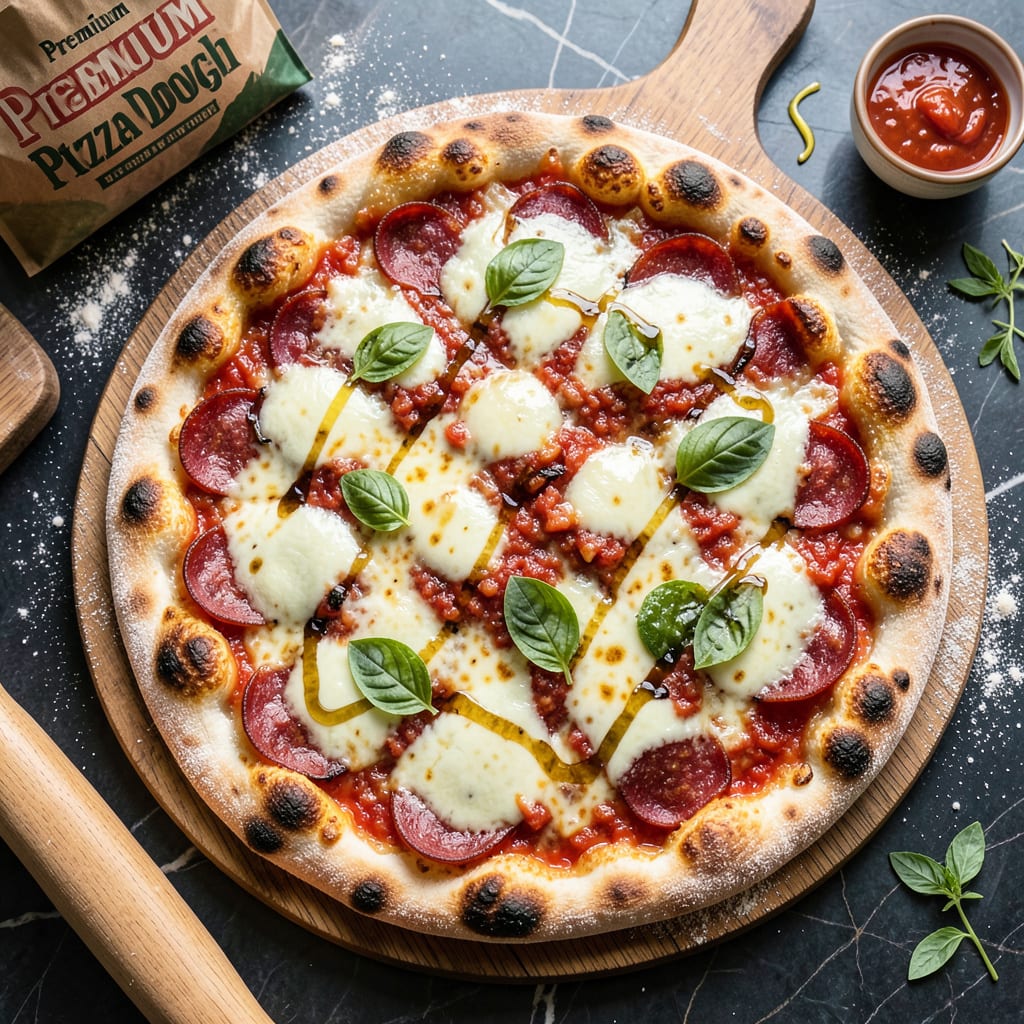
Yes, you can easily buy pizza dough from grocery stores, pizzerias, or online. Most supermarkets sell fresh or frozen pre-made dough in the refrigerated or bakery section, while some local pizzerias offer their signature dough for sale.
I’ve found that the quality and variety available today make store-bought dough a game-changer for home cooks. 🔥 Many grocery chains now stock artisanal-style dough that rivals homemade, with options like whole wheat, gluten-free, and even sourdough bases. What’s particularly exciting is that some high-end pizzerias sell their proprietary dough—giving you that authentic restaurant flavor without the effort of mixing and kneading.
For those short on time, pre-proofed dough balls are my go-to, as they cut preparation down to minutes. But if you prefer controlling the rise yourself, look for unproofed versions in the freezer aisle. The key is checking the ingredient list—avoiding preservatives often means better texture and taste.
💡 In This Article
- Where to Buy Pizza Dough: Grocery Stores vs. Pizzerias
- How to Choose the Best Store-Bought Pizza Dough
Where to Buy Pizza Dough: Grocery Stores vs. Pizzerias
Supermarkets offer the most convenient access to pizza dough, typically stocking three main types: fresh refrigerated (2-3 day shelf life), frozen (3-6 month storage), and canned (like Pillsbury).
The refrigerated section near pre-made cookie dough often carries brands like Trader Joe’s or Whole Foods’ fresh dough balls—these contain live yeast and require 2-4 hours of proofing at room temperature. Frozen options from companies like Boboli or California Pizza Kitchen come pre-proofed and ready to stretch straight from the freezer.
Local pizzerias represent the quality gold standard, with many now selling their proprietary dough blends. I’ve tested dough from Neapolitan-style shops that use 00 flour and 72-hour cold fermentation—this creates that signature airy, charred crust you can’t replicate with grocery brands. Some even offer “dough clubs” where you can subscribe for weekly fresh batches.
The cost difference is noticeable: supermarket dough runs $2-$5 per pound, while pizzeria dough averages $8-$12 for the same quantity. 🔥
Specialty Italian markets and gourmet shops bridge the gap between convenience and artisanal quality. These often carry imported dough from Italy (look for brands like Caputo) or small-batch local producers using heritage grains.
The texture difference is striking—these doughs typically have 60-65% hydration compared to grocery versions at 50-55%, resulting in a crispier, more open crumb structure when baked at high temperatures.
Online retailers have expanded options dramatically, with companies like Goldbelly shipping frozen dough from famous pizzerias nationwide. I’ve ordered from places like Joe’s Pizza in NYC and Tony’s Pizza Napoletana in San Francisco—both arrived perfectly packaged with dry ice. The shipping costs ($15-$30) make this a special-occasion choice, but the flavor payoff is substantial.
For gluten-free or keto options, brands like Caulipower and Simple Mills now offer dough alternatives that actually stretch and brown like traditional versions. ✨
Farmers markets often feature small bakeries selling fresh dough made with local flour mills. These typically use organic ingredients and natural starters, with flavors that change seasonally. I’ve found dough made with freshly milled wheat has a nutty sweetness that commercial versions lack.
The downside is limited availability—most vendors only offer dough 1-2 days per week, and quantities sell out quickly.
For bulk purchases, restaurant supply stores like Smart & Final or Cash & Carry sell 10-pound bags of dough for about $1.50 per pound. These are commercial-grade products designed for pizzerias, with higher gluten content for extra stretchiness.
The tradeoff is that they often contain dough conditioners and preservatives to extend shelf life to 14 days refrigerated. 💫
What most people don’t realize is that some grocery chains (like Wegmans or Publix) actually use the same dough suppliers as mid-range pizzerias. Their in-house bakery dough is often identical to what you’d get from a local pizza shop, just packaged differently.
The key is asking the bakery department when they receive fresh shipments—dough is always best used within 24 hours of delivery for maximum rise and flavor development.

Trained in classic French technique but raised on slow-cooked ribs and spicy rubs, she blends culinary skill with smoke and soul.
- Recipe for Boneless Pork Chops in Cast Iron Skillet: Sear and Baste to Juicy Perfection - October 3, 2026
- Recipe for Boneless Cross Rib Roast: Slow-Roasted Beef with Herb Crust - October 3, 2026
- Hamburgers in Sauce Recipe Crock Pot: Slow-Cooked Savory Delight - October 3, 2026