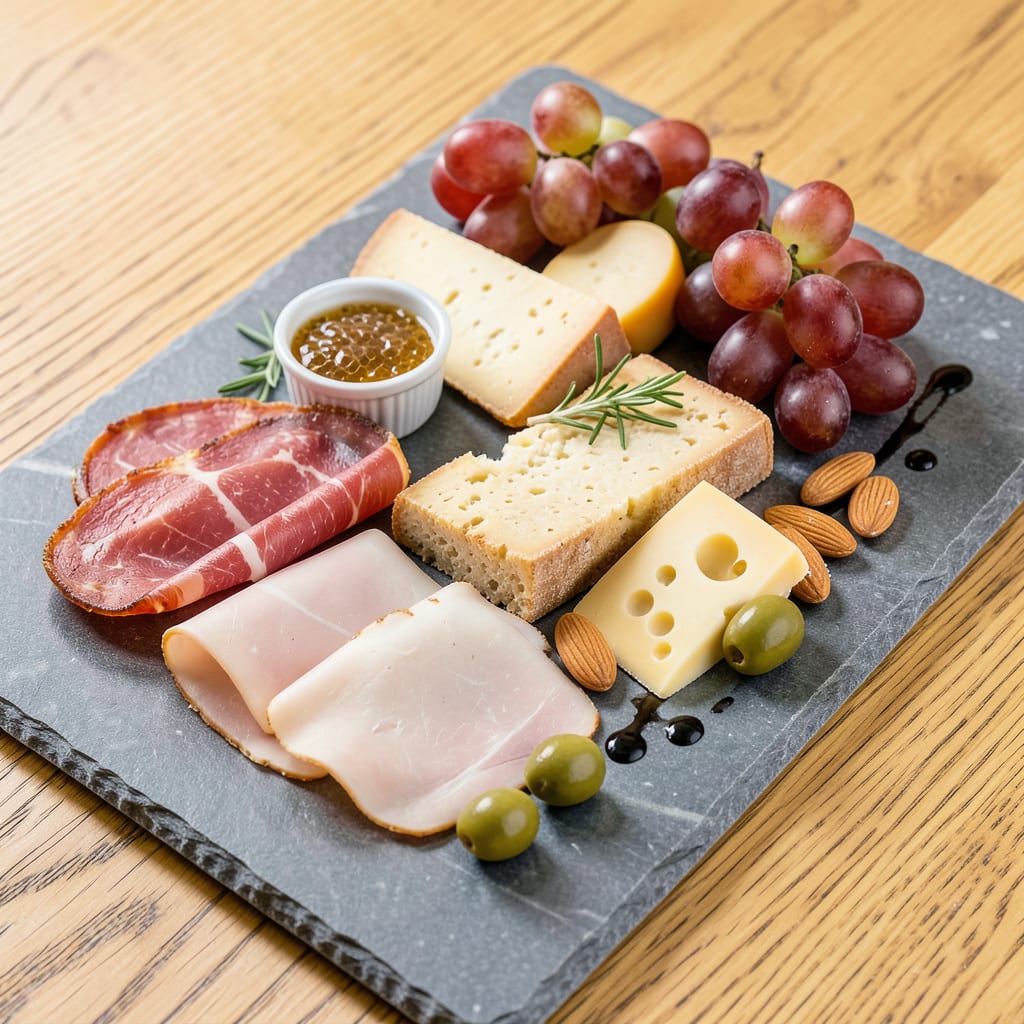
Pregnant women should avoid most charcuterie due to listeria and toxoplasmosis risks from raw or cured meats. Opt for fully cooked, steaming-hot options like roasted ham or turkey to minimize danger while enjoying similar flavors.
The concern here goes beyond just avoiding raw meats—it’s about how curing processes can create an environment where harmful bacteria thrive. 🔥 During pregnancy, your immune system works differently, making it harder to fight off infections that might not affect you normally. I’ve seen many women surprised to learn that even “dry-cured” or “aged” meats can harbor risks, since these methods don’t always eliminate pathogens completely. The good news is that with proper heat treatment, you can still enjoy that savory, meaty experience without the worry.
💡 In This Article
- Why Charcuterie Poses Risks During Pregnancy
- Pregnancy-Safe Charcuterie Alternatives and Pairings
Why Charcuterie Poses Risks During Pregnancy
The danger lies in how Listeria monocytogenes thrives in low-moisture, high-salt environments—exactly the conditions created during charcuterie curing. Unlike bacteria that need warmth to multiply, listeria grows slowly at refrigerator temperatures (35-40°F) and can survive for months in cured meats.
🔥 The CDC reports pregnant women are 10 times more likely to contract listeriosis than the general population, with infection potentially leading to miscarriage, preterm labor, or severe newborn illness.
Toxoplasmosis presents another hidden threat through undercooked pork products like prosciutto or coppa. The parasite Toxoplasma gondii forms tissue cysts in muscle fibers that remain viable even after curing. While freezing at -4°F for 3 days can kill the parasite, most artisanal charcuterie isn’t processed this way.
A 2021 study in Food Microbiology found 12% of tested dry-cured meats contained viable toxoplasma cysts, demonstrating how traditional methods fail to eliminate this risk.
Pregnancy alters immune function in specific ways that increase vulnerability. Your body produces fewer Th1 cytokines (immune cells that fight intracellular pathogens) while boosting Th2 responses to protect the fetus. This shift makes it harder to combat foodborne illnesses.
I’ve counseled expectant mothers who didn’t realize their favorite salami could contain 100-1,000 CFU/g of listeria—well above the FDA’s safety threshold of 100 CFU/g for ready-to-eat foods.
The curing process itself creates false security. Nitrates used in charcuterie inhibit some bacteria but actually enhance listeria survival by reducing competing microbes. Smoking adds another layer of risk—while it imparts flavor, the process rarely reaches internal temperatures above 140°F, leaving pathogens intact.
Even “dry-aged” meats develop only a protective outer crust; the interior remains vulnerable to contamination during slicing and handling.
Consider this comparison: A 1-ounce serving of contaminated salami might contain enough listeria to cause infection, while the same amount of properly cooked ham (heated to 165°F) would be pathogen-free. The difference lies in processing—heat treatment denatures bacterial proteins, while curing simply slows (but doesn’t stop) microbial growth.
✨ This explains why health organizations universally recommend avoiding all unpasteurized, uncooked charcuterie during pregnancy, regardless of how “high-quality” or “artisanal” the product may be.
What many don’t realize is that cross-contamination poses equal danger. A 2022 Journal of Food Protection study showed that 68% of charcuterie boards tested positive for listeria after being used with contaminated meats, even when the board was washed.
The bacteria’s ability to form biofilms on surfaces makes it particularly persistent in kitchen environments where charcuterie is prepared.
The silver lining? Understanding these mechanisms empowers you to make safer choices. By focusing on meats that reach proper internal temperatures and maintaining strict hygiene practices, you can still enjoy the charcuterie experience without the risks. 💫

Trained in classic French technique but raised on slow-cooked ribs and spicy rubs, she blends culinary skill with smoke and soul.
- Recipe for Boneless Pork Chops in Cast Iron Skillet: Sear and Baste to Juicy Perfection - October 3, 2026
- Recipe for Boneless Cross Rib Roast: Slow-Roasted Beef with Herb Crust - October 3, 2026
- Hamburgers in Sauce Recipe Crock Pot: Slow-Cooked Savory Delight - October 3, 2026