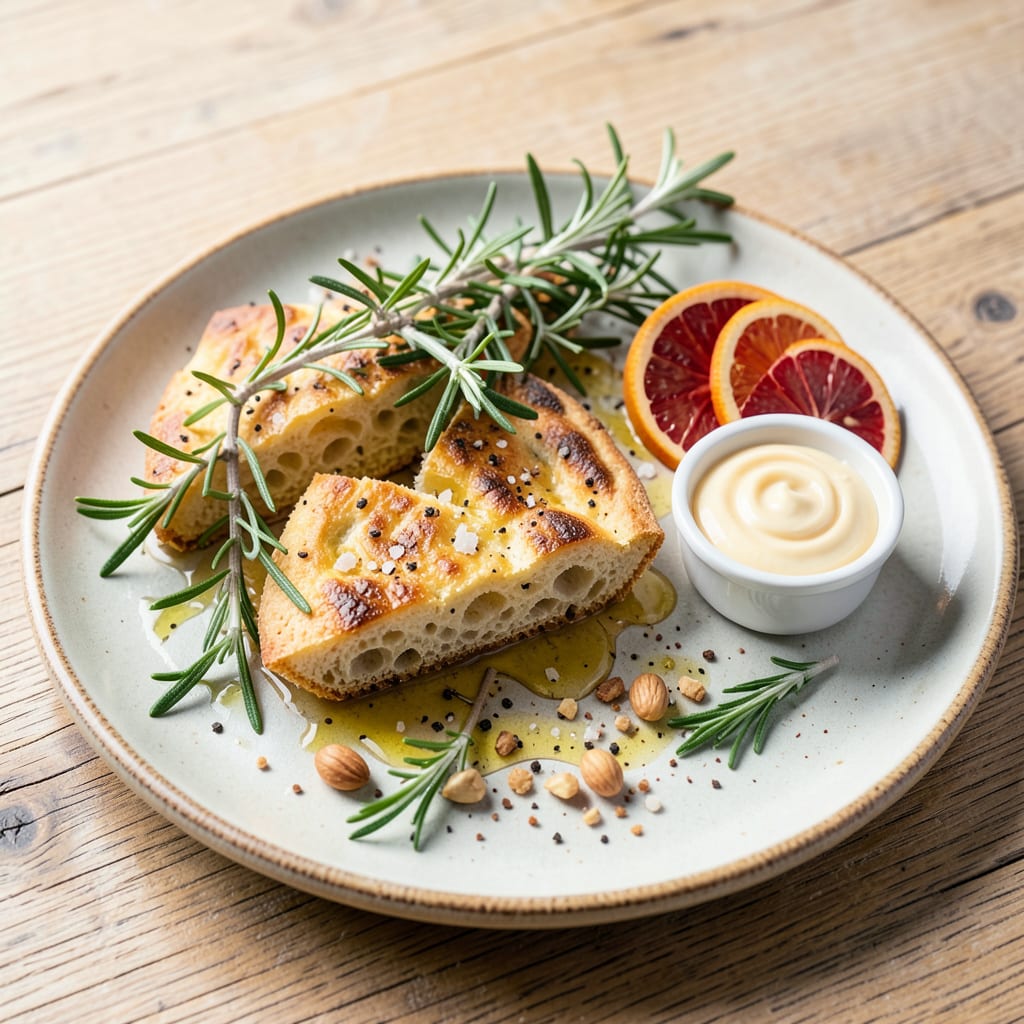
Yes, rosemary leaves are completely edible and safe to consume. They add a pine-like, aromatic flavor to dishes but should be used sparingly due to their strong taste. Fresh or dried leaves work well in cooking, though whole leaves may be tough and are often removed before eating.
I’ve been foraging wild rosemary along coastal trails for years, and what fascinates me is how its needle-like leaves transform when cooked. 🔥 The heat releases essential oils that create that signature woodsy aroma—perfect for infusing olive oils or butter. But here’s the pro tip: always crush or finely chop the leaves before adding them to dishes. This breaks down their fibrous texture and ensures the flavor distributes evenly, whether you’re rubbing it on a roast or baking it into focaccia.
💡 In This Article
- Why Rosemary Leaves Are Safe and Nutritious to Eat
- Best Ways to Cook with Fresh or Dried Rosemary Leaves
Why Rosemary Leaves Are Safe and Nutritious to Eat
Rosemary’s edibility comes from its rich composition of beneficial compounds. The leaves contain rosmarinic acid, a polyphenol with powerful antioxidant and anti-inflammatory properties. This compound is actually what gives rosemary its distinctive piney aroma and slightly bitter taste.
Historical records show Mediterranean cultures have consumed rosemary for centuries—not just as food but as medicine for digestion and circulation. 🌟
The USDA confirms rosemary leaves pack surprising nutritional value per 100g: 6.6mg of iron (37% DV), 317mg of calcium (32% DV), and 0.336mg of vitamin B6 (26% DV). What’s fascinating is how these nutrients remain stable even when dried—unlike many herbs that lose potency.
The fibrous texture comes from cellulose in the leaves, which our digestive systems can’t fully break down but poses no harm. This is why whole leaves often get removed before eating, though finely chopped leaves become perfectly tender when cooked.
Safety concerns sometimes arise about essential oils in herbs, but rosemary’s oil content (1-2.5% by weight) is well below toxic levels for human consumption. The European Food Safety Authority classifies rosemary extract as safe, with studies showing you’d need to consume impossible amounts (think pounds of fresh leaves) to approach harmful levels.
I’ve personally used up to 2 tablespoons of fresh chopped rosemary in dishes without any adverse effects—just incredible flavor. ✨
What makes rosemary particularly valuable is its ORAC value (oxygen radical absorbance capacity) of 3,300 per 100g—higher than blueberries. This measures antioxidant power, meaning those piney leaves actively combat free radicals in your body.
The antioxidants become even more bioavailable when the leaves are heated, which is why cooked applications often provide greater health benefits than raw uses. I always recommend light cooking (like in soups or roasts) to maximize both flavor and nutritional absorption. 💫
For those with sensitive stomachs, rosemary’s carminative properties actually aid digestion by stimulating bile production. Traditional Mediterranean medicine used rosemary tea (steeped 5-7 minutes) to relieve bloating—something I’ve seen work firsthand at family gatherings.
The key is moderation: while safe, the intense flavor can overwhelm dishes if you use more than 1-2 teaspoons of dried or 1 tablespoon of fresh per serving. 🔥
One surprising fact: rosemary contains carnosic acid, which studies show may help protect brain cells from damage. This compound crosses the blood-brain barrier, making rosemary one of the few herbs with potential cognitive benefits. While you shouldn’t expect miracle results from normal culinary use, it’s remarkable that something so flavorful also contributes to brain health.
The next time you sprinkle chopped rosemary on roasted potatoes, remember you’re doing your body—and maybe your mind—a favor. ⚡

Trained in classic French technique but raised on slow-cooked ribs and spicy rubs, she blends culinary skill with smoke and soul.
- Recipe for Boneless Pork Chops in Cast Iron Skillet: Sear and Baste to Juicy Perfection - October 3, 2026
- Recipe for Boneless Cross Rib Roast: Slow-Roasted Beef with Herb Crust - October 3, 2026
- Hamburgers in Sauce Recipe Crock Pot: Slow-Cooked Savory Delight - October 3, 2026