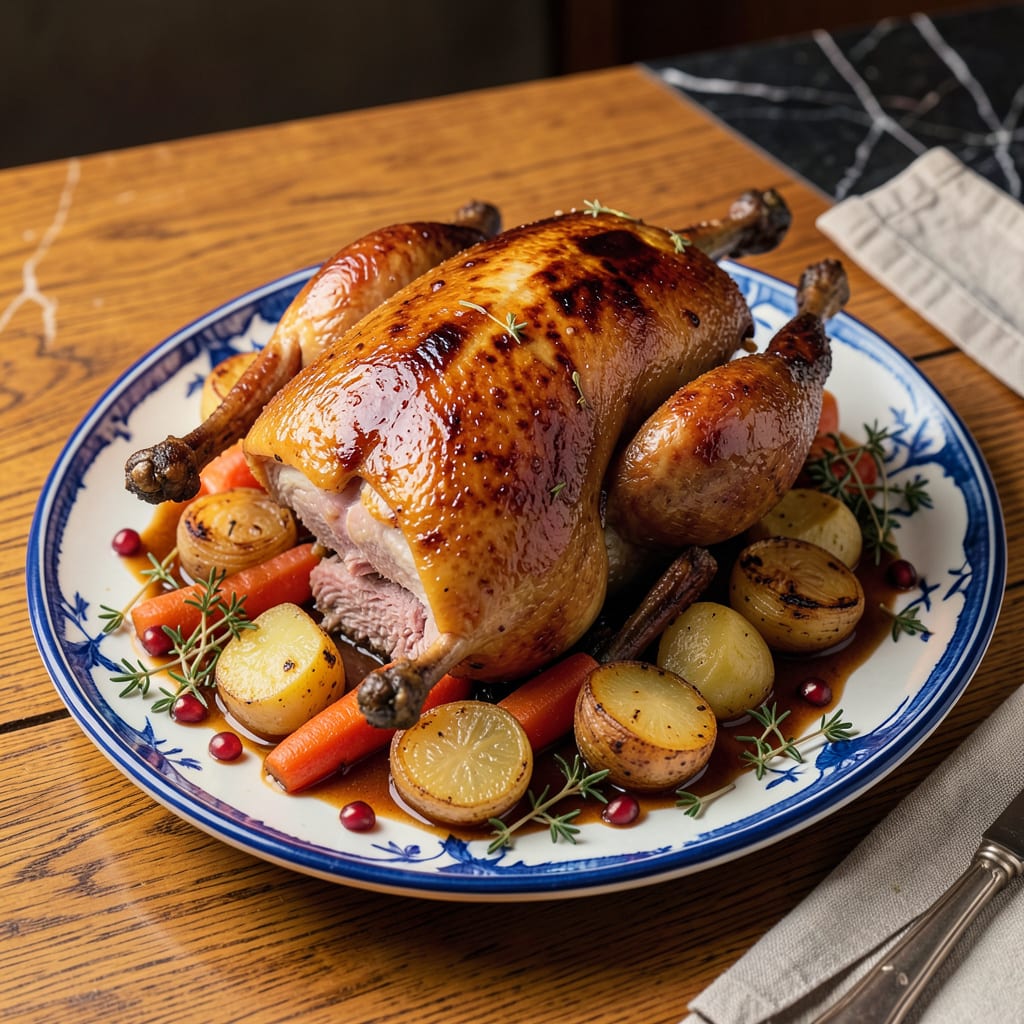
Yes, you can cook duck from frozen, but it requires 50% longer cooking time and careful temperature monitoring to ensure even cooking and food safety. Thawing first yields better texture and flavor, but frozen preparation is possible with proper techniques.
I’ve cooked my fair share of frozen poultry, and duck presents unique challenges due to its higher fat content. 🔥 The key lies in managing heat distribution—ice crystals create pockets where bacteria can thrive if not handled properly. Unlike chicken, duck’s rich fat layers require special attention to prevent uneven cooking, which can leave some areas undercooked while others dry out.
From my experience, the best results come from using a two-stage approach: start with lower heat to gently bring the internal temperature up, then finish with higher heat to crisp the skin. This method helps render fat evenly while ensuring the meat reaches that critical 165°F mark throughout. Always use a meat thermometer—this isn’t just advice, it’s your safety net for perfect doneness.
💡 In This Article
- Food Safety Risks When Cooking Frozen Duck
- Step-by-Step Guide for Cooking Duck From Frozen
Food Safety Risks When Cooking Frozen Duck
The danger zone for bacterial growth in poultry sits between 40°F and 140°F, where pathogens like Salmonella and Campylobacter multiply rapidly. When cooking duck from frozen, the outer layers heat up quickly while the center remains icy, creating perfect conditions for bacteria to thrive in that middle temperature range.
The USDA warns that poultry must reach 165°F internally to be safe, but frozen duck’s uneven temperature distribution makes this challenging without proper technique.
Ice crystals act as insulators, preventing heat from penetrating evenly. A 5-pound frozen duck might have areas still below 32°F while the outer meat reaches 180°F, leading to dry, overcooked sections surrounding undercooked pockets. This is why professional kitchens avoid cooking large poultry from frozen—the risk of serving unsafe meat outweighs any time savings.
🔥 The fat layers in duck compound this issue, as rendered fat can create false temperature readings near the surface.
What most home cooks don’t realize is that frozen duck requires 25-30% more energy to cook through completely. This extended cooking time increases the chance of drying out the breast meat while waiting for the thighs to reach safe temperatures. The solution?
Use a two-zone cooking approach: start at 275°F to gently thaw the interior, then finish at 375°F to crisp the skin without overcooking the meat.
Here’s what’s actually happening at the cellular level: rapid freezing creates large ice crystals that rupture cell walls, causing moisture loss during cooking. This is why thawed duck retains more juiciness—a slow thaw in the fridge allows for smaller, less damaging ice formation.
The texture difference is noticeable: frozen-cooked duck often has a mealier consistency in the breast meat compared to properly thawed specimens.
For food safety, I always recommend using a probe thermometer with multiple insertion points. Check the thickest part of the thigh (avoiding bone), the center of the breast, and the wing joint—all must hit 165°F for at least 15 seconds.
Remember that duck continues cooking after removal from heat, so pulling it at 160°F and tenting with foil for 10 minutes gives perfect results while ensuring safety. ✨
Consider these critical safety factors:
- Cross-contamination: Never rinse frozen duck—this spreads bacteria up to 3 feet from your sink
- Marinade risks: Frozen duck won’t absorb flavors properly, and acidic marinades can’t penetrate until thawed
- Equipment matters: Use a roasting rack to allow air circulation—direct pan contact creates steam pockets that breed bacteria

Trained in classic French technique but raised on slow-cooked ribs and spicy rubs, she blends culinary skill with smoke and soul.
- Recipe for Boneless Pork Chops in Cast Iron Skillet: Sear and Baste to Juicy Perfection - October 3, 2026
- Recipe for Boneless Cross Rib Roast: Slow-Roasted Beef with Herb Crust - October 3, 2026
- Hamburgers in Sauce Recipe Crock Pot: Slow-Cooked Savory Delight - October 3, 2026