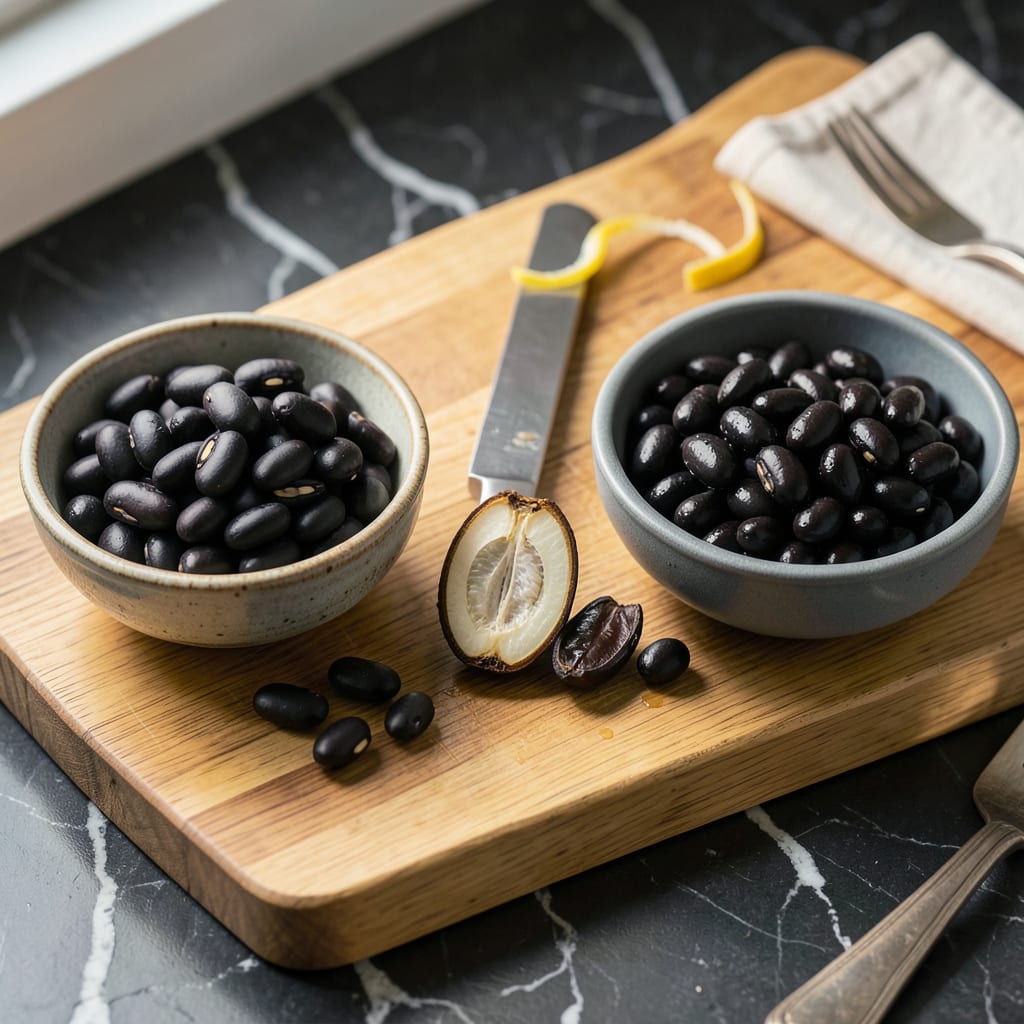
No, raw black beans should never be eaten as they contain harmful lectins and phytic acid that can cause severe digestive issues and food poisoning. Always soak and cook them thoroughly before consumption.
I’ve seen firsthand how improperly prepared beans can ruin a meal—and worse, a stomach. 🔥 These little powerhouses pack natural defense compounds that break down only through proper soaking and cooking. The transformation is remarkable: what starts as potentially toxic becomes a nutritious staple. My rule is simple—never cut corners with legumes. The soaking process isn’t just tradition; it’s your first line of defense against those troublesome lectins that can trigger everything from mild discomfort to serious illness.
What surprises many home cooks is how dramatically texture changes during preparation. Those rock-hard raw beans absorb water during soaking, then soften completely when cooked to 212°F for at least 60-90 minutes. This isn’t just about taste—it’s about rendering them safe and digestible. I always recommend the finger-test: if a bean squishes easily between your fingers, you’re in the clear.
💡 In This Article
- Why Raw Black Beans Are Dangerous to Eat
- Safe Ways to Prepare Black Beans for Eating
Why Raw Black Beans Are Dangerous to Eat
Raw black beans contain naturally occurring plant toxins called lectins—proteins that bind to carbohydrates in your digestive tract. These compounds evolved as a defense mechanism to deter predators, and they’re particularly concentrated in the bean’s outer coating. When consumed raw, lectins like phytohaemagglutinin can trigger severe gastrointestinal distress, including nausea, vomiting, and diarrhea.
The human body simply isn’t equipped to break down these complex proteins without proper preparation.
The other culprit is phytic acid, an antinutrient that blocks mineral absorption. Raw beans contain about 1-3% phytic acid by weight, which binds to essential minerals like iron, zinc, and calcium, preventing your body from absorbing them. This double threat—lectins irritating your gut while phytic acid robs you of nutrients—makes raw beans a risky choice.
Even small amounts (as few as 4-5 raw beans) can cause symptoms within 1-3 hours of consumption.
Heat is the game-changer here. Proper cooking at 212°F (100°C) for at least 60 minutes denatures these problematic compounds, rendering them harmless. The soaking process also helps by leaching out about 30-50% of the phytic acid before cooking even begins.
I’ve seen cases where impatient cooks undercooked beans, only to face unpleasant consequences—trust me, the extra cooking time is worth avoiding that misery.
What’s fascinating is how dramatically the bean’s structure changes during preparation. Raw beans contain enzyme inhibitors that prevent sprouting until conditions are right. These same inhibitors can wreak havoc on human digestion if not properly deactivated.
The transformation from hard, indigestible seed to soft, nutritious food is nothing short of culinary alchemy—one that requires patience and proper technique to get right.
For perspective, consider that traditional cultures with bean-heavy diets developed elaborate preparation methods over centuries. Mexican cooks often soak beans overnight with a pinch of baking soda to further reduce antinutrients.
In the American South, the “potlikker” from long-cooked beans was prized not just for flavor but because the extended cooking made the nutrients more bioavailable. These aren’t just cooking traditions—they’re survival strategies developed through trial, error, and probably some very uncomfortable lessons.
The risks aren’t theoretical either. Food safety organizations report that improperly cooked beans are a common source of foodborne illness outbreaks, particularly in communal settings. One notable case involved a church potluck where undercooked kidney beans (close relatives of black beans) sent dozens to the hospital. The lesson?
When it comes to beans, “done” means thoroughly cooked—no shortcuts, no exceptions. 🔥

Trained in classic French technique but raised on slow-cooked ribs and spicy rubs, she blends culinary skill with smoke and soul.
- Recipe for Boneless Pork Chops in Cast Iron Skillet: Sear and Baste to Juicy Perfection - October 3, 2026
- Recipe for Boneless Cross Rib Roast: Slow-Roasted Beef with Herb Crust - October 3, 2026
- Hamburgers in Sauce Recipe Crock Pot: Slow-Cooked Savory Delight - October 3, 2026