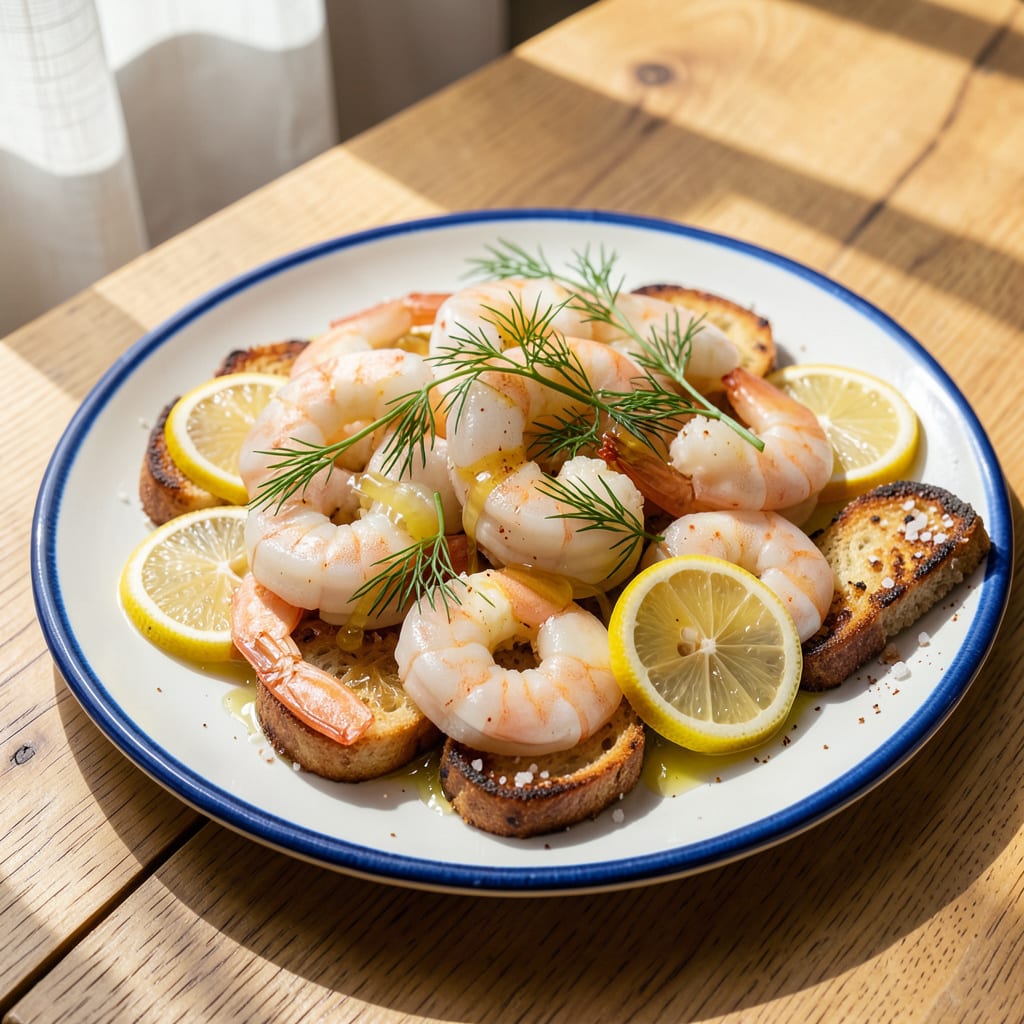
Yes, shrimp can be “cooked” in lemon juice through a process called ceviche, where the acidity denatures the proteins, turning them opaque and firm. However, it doesn’t kill bacteria like heat does, so use only fresh, high-quality shrimp.
This technique transforms raw shrimp into a tender, citrus-infused delicacy without heat. 🔥 The magic happens when citric acid breaks down the proteins, creating that signature firm texture—similar to how heat works, but with a brighter, fresher result. I always recommend using wild-caught shrimp and marinating for no longer than 30 minutes to avoid a mushy texture.
What many don’t realize is that ceviche relies on acidity levels, not just lemon juice alone. 💫 A proper balance of lime, lemon, and sometimes orange juice creates the ideal pH environment for safe “cooking.” The shrimp should turn uniformly pink and opaque, signaling it’s ready to enjoy.
💡 In This Article
- How Lemon Juice Chemically ‘Cooks’ Shrimp in Ceviche
- Safety Tips for Making Shrimp Ceviche at Home
How Lemon Juice Chemically ‘Cooks’ Shrimp in Ceviche
The transformation happens at the molecular level when shrimp meets citrus. 🔥 Citric acid (pH 2-3) unfolds shrimp proteins through a process called denaturation—the same structural change that heat causes. The acid breaks hydrogen bonds in the protein chains, causing them to unravel and then re-bond in new configurations.
This creates the firm, opaque texture we associate with cooked shrimp, but without any heat application.
For optimal results, you need a pH below 4.6 to effectively denature the proteins. Fresh lemon juice (pH ~2) works perfectly, but I often combine it with lime juice (pH ~2.2) for a more complex flavor profile. The ideal ratio is 1/2 cup acid to 1 pound shrimp, ensuring complete submersion.
You’ll see the shrimp turn from translucent to opaque pink within 15-20 minutes at room temperature—this visual cue signals the proteins have fully denatured.
What’s fascinating is how this differs from heat cooking. While both methods denature proteins, acid creates a more delicate texture. Heat causes proteins to contract violently, squeezing out moisture, while acid produces a gentler coagulation that retains more natural juices.
The result is shrimp that’s tender yet firm, with a clean, bright citrus flavor that penetrates evenly throughout the flesh.
The process isn’t just about acidity—time and temperature matter too. Below 40°F, the reaction slows dramatically, which is why refrigerator ceviche takes hours instead of minutes. Above 70°F, you risk over-denaturing, leading to a mealy texture. I’ve found the sweet spot is marinating at 60-65°F for precisely 20-25 minutes for perfect doneness. ✨
You can actually test the doneness by touch—the shrimp should feel firm like cooked shrimp, but with a slight give when pressed. Unlike heat-cooked shrimp that continues cooking when removed from heat, acid-cooked shrimp stops “cooking” immediately when removed from the marinade.
This gives you more control over the final texture, allowing for that perfect balance between tenderness and structure.
The science explains why certain citrus works better than others. Grapefruit juice (pH ~3.3) is too weak for proper denaturation, while vinegar (pH ~2.5) can be too harsh, creating a rubbery texture.
Lemon and lime strike the perfect balance—strong enough to denature proteins completely, but gentle enough to preserve the shrimp’s natural sweetness and delicate mouthfeel. 💫
What most people don’t realize is that this process also affects the shrimp’s nutritional profile. The vitamin C from the citrus actually helps preserve some of the shrimp’s B vitamins that would normally degrade with heat cooking. You’re getting all the protein benefits with enhanced vitamin content—a win-win for both flavor and nutrition!

Trained in classic French technique but raised on slow-cooked ribs and spicy rubs, she blends culinary skill with smoke and soul.
- Recipe for Boneless Pork Chops in Cast Iron Skillet: Sear and Baste to Juicy Perfection - October 3, 2026
- Recipe for Boneless Cross Rib Roast: Slow-Roasted Beef with Herb Crust - October 3, 2026
- Hamburgers in Sauce Recipe Crock Pot: Slow-Cooked Savory Delight - October 3, 2026