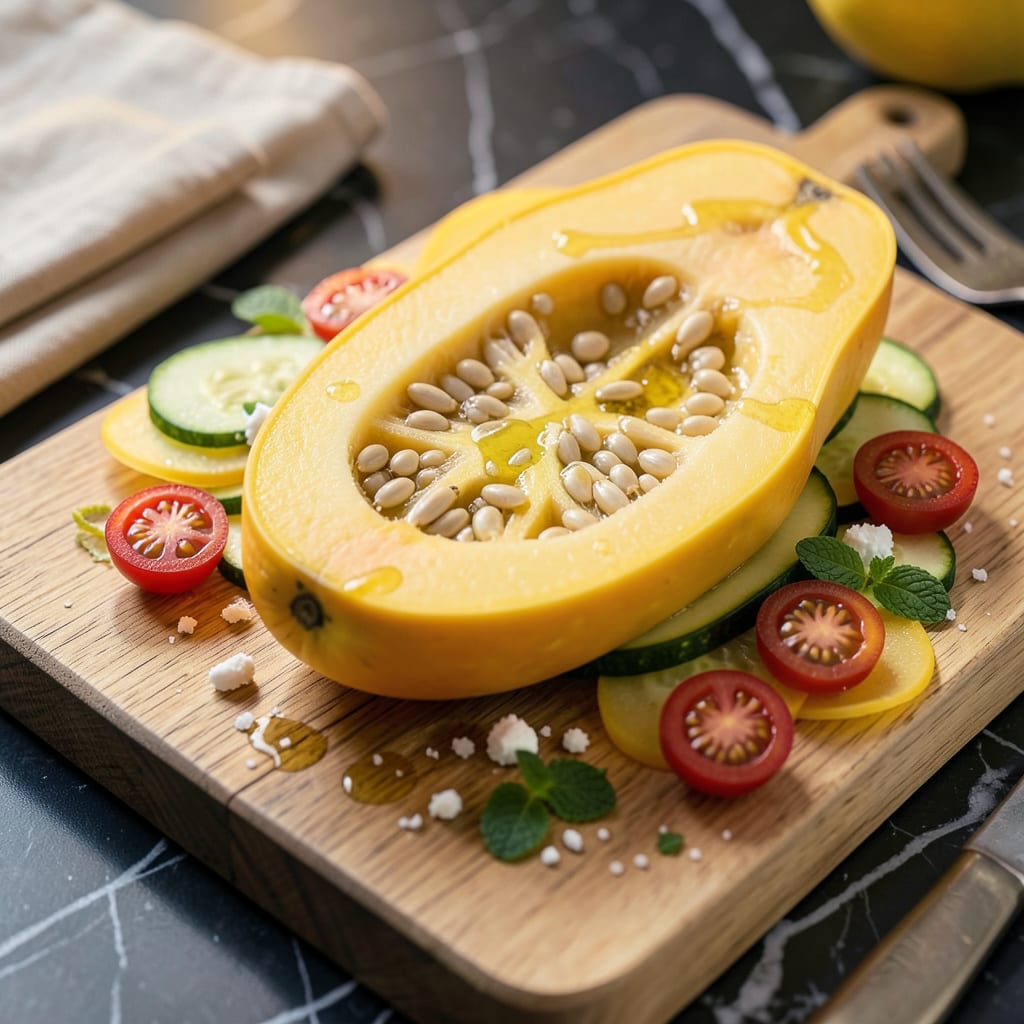
Yes, yellow squash seeds are completely edible when the squash is young and tender. They’re soft, mild-flavored, and packed with nutrients like protein, fiber, and healthy fats. Simply cook them with the flesh or roast them separately for a crunchy snack.
I love how these seeds transform from subtle to spectacular with the right preparation. 🔥 The younger the squash, the more delicate the seeds—almost undetectable when cooked with the flesh, yet they add a nutritional punch. For a bolder experience, try roasting them with a sprinkle of sea salt and smoked paprika until golden. This brings out their nutty undertones, making them a standout topping for salads or soups.
What many don’t realize is that these seeds contain zinc and magnesium, minerals often lacking in modern diets. Unlike mature pumpkin seeds, they require no shelling—just a quick rinse and they’re ready to use. I often save them from summer squash harvests to add texture to baked goods or as a crunchy garnish for avocado toast.
💡 In This Article
- Nutritional Value of Yellow Squash Seeds
- Best Ways to Prepare and Cook Yellow Squash Seeds
Nutritional Value of Yellow Squash Seeds
These tiny powerhouses pack a surprising nutritional punch. A single ounce of yellow squash seeds contains about 5 grams of plant-based protein—comparable to sunflower seeds but with a more delicate flavor profile.
What makes them special is their mineral density: they’re particularly rich in zinc (12% DV) and magnesium (15% DV), two nutrients many Americans don’t get enough of. The seeds also contain 2.5 grams of fiber per ounce, which supports digestion and helps stabilize blood sugar. 🔥
The fat composition is where these seeds really shine. Unlike pumpkin seeds that are higher in omega-6s, yellow squash seeds offer a more balanced ratio of omega-3 to omega-6 fatty acids (about 1:3). They also contain phytosterols, plant compounds that may help lower cholesterol by blocking absorption in your digestive tract.
The seeds are particularly high in beta-sitosterol, a phytosterol linked to prostate health and immune support.
What most people don’t realize is that these seeds contain cucurbitacin E, a bioactive compound unique to the cucurbit family (which includes squash, pumpkins, and cucumbers). This compound has shown promising anti-inflammatory properties in studies, though the concentration is much lower than in bitter melon.
The seeds also provide vitamin E in the form of gamma-tocopherol, a potent antioxidant that protects cell membranes from oxidative damage.
When compared to other edible seeds, yellow squash seeds hold their own nutritionally. They have 30% more magnesium than pumpkin seeds and twice the zinc of sesame seeds by weight.
Their protein quality is also notable—while not a complete protein, they contain higher levels of arginine than most plant seeds, an amino acid that supports heart health and circulation. ✨
The nutritional profile changes slightly as the squash matures. Young squash seeds (from fruit under 6 inches) contain more moisture and slightly less concentrated nutrients, but they’re easier to digest. As the seeds develop, their fat content increases by about 20%, making mature seeds better for roasting but slightly harder to digest raw.
The mineral content remains consistent regardless of squash age.
For those watching their sodium intake, these seeds are naturally low in sodium (2mg per ounce) but high in potassium (180mg per ounce), making them an excellent choice for heart-healthy diets. The seeds also contain small amounts of B vitamins, particularly folate and niacin, which support energy metabolism and nervous system function. 💫
One often-overlooked benefit is their low oxalate content compared to other seeds. While pumpkin seeds contain about 10mg of oxalates per ounce, yellow squash seeds have only about 3mg, making them a safer choice for people prone to kidney stones.
This lower oxalate level also means the minerals in these seeds are more bioavailable—your body can absorb and use more of that magnesium and zinc.

Trained in classic French technique but raised on slow-cooked ribs and spicy rubs, she blends culinary skill with smoke and soul.
- Recipe for Boneless Pork Chops in Cast Iron Skillet: Sear and Baste to Juicy Perfection - October 3, 2026
- Recipe for Boneless Cross Rib Roast: Slow-Roasted Beef with Herb Crust - October 3, 2026
- Hamburgers in Sauce Recipe Crock Pot: Slow-Cooked Savory Delight - October 3, 2026