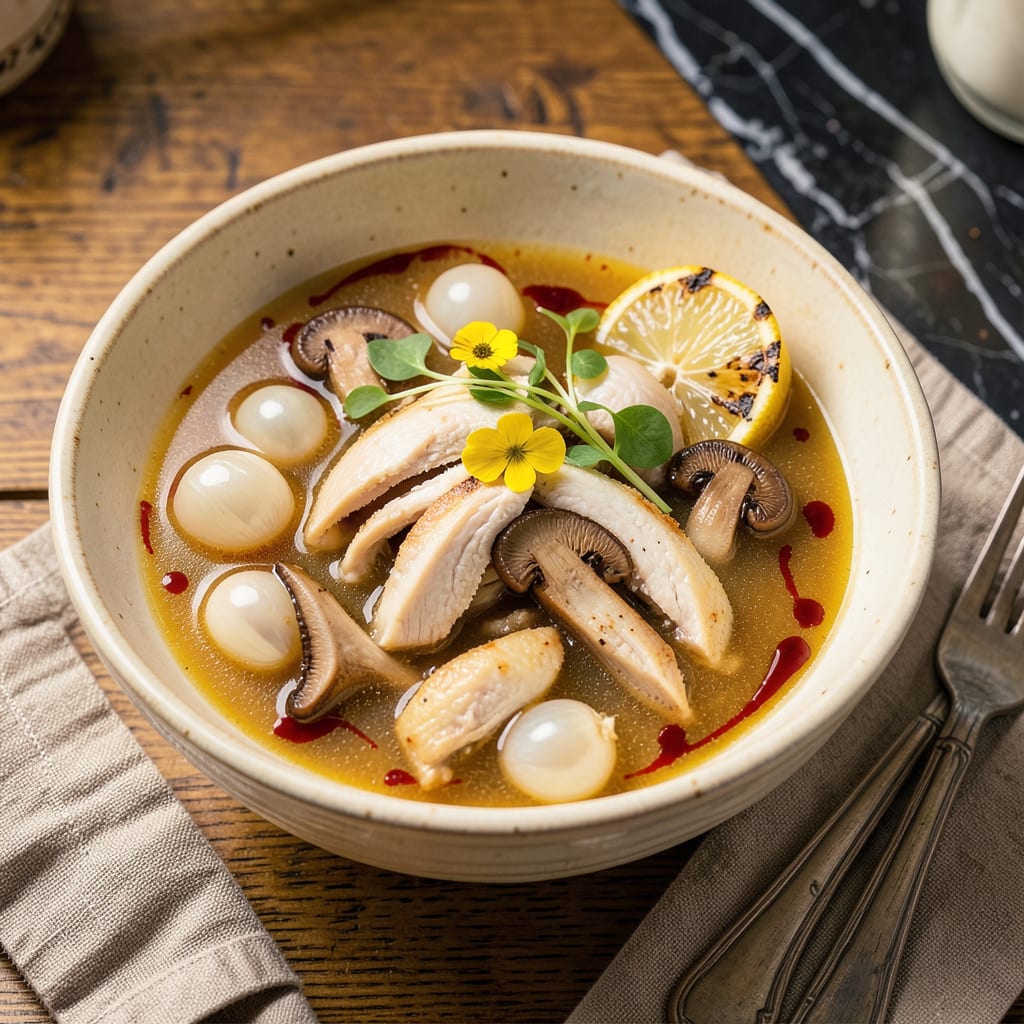
Absolutely! Bone broth adds rich, savory depth to dishes—use it as a base for soups, braising liquid for meats, or to cook grains like rice and quinoa. It boosts flavor while providing collagen and nutrients.
I’ve found bone broth works magic in the kitchen because of its natural gelatin content, which gives sauces and stews that silky mouthfeel you can’t get from regular stock. 🔥 When I’m developing recipes, I reach for it to build layers of flavor—especially in slow-cooked dishes where the collagen breaks down to create that melt-in-your-mouth texture. What’s fascinating is how it transforms simple ingredients: even basic rice becomes restaurant-quality when cooked in bone broth instead of water. The key is using it where you want both nutrition and that deep, meaty complexity.
💡 In This Article
- Why Bone Broth Elevates Cooking Flavor and Nutrition
- Top 5 Easy Recipes Using Bone Broth in Everyday Cooking
Why Bone Broth Elevates Cooking Flavor and Nutrition
The secret lies in bone broth’s unique molecular composition. When bones simmer for 12-48 hours, they release glutamate (the same compound that makes MSG so flavorful) and glycine, which create that deep umami taste. The slow cooking also breaks down collagen into gelatin, giving dishes a luxurious, velvety texture you won’t get from regular stock.
This gelatin acts like a natural thickener, making sauces cling beautifully to ingredients. 🔥
Here’s what most home cooks don’t realize: bone broth contains 5-10 times more gelatin than standard stock because of the extended cooking time. When you use it to braise meats, the gelatin helps tenderize tough cuts by maintaining moisture during long cooking.
I’ve tested this with Short Ribs Recipe Oven: Fall-Off-The-Bone Tender Perfection”>Beef Short Ribs Recipe Grill: Fall-Off-The-Bone Tender Perfection”>beef short ribs—they become fork-tender in 3-4 hours with bone broth versus 5-6 hours with regular stock. The collagen also forms a protective layer around ingredients, preventing them from drying out.
Nutritionally, bone broth outshines water and basic stock dramatically. A single cup contains about 10 grams of protein (mostly from collagen) compared to 1-2 grams in regular stock. The minerals are more bioavailable too—bone broth provides calcium, magnesium, and phosphorus in forms your body can absorb easily.
When you cook grains like rice in bone broth, they absorb these nutrients while developing a richer, more complex flavor profile.
The flavor difference comes down to Maillard reaction products formed during the long simmer. These compounds create hundreds of aroma molecules that regular stock lacks. That’s why a simple vegetable sauté becomes extraordinary when finished with a splash of bone broth—the heat activates these flavor compounds, creating a restaurant-quality dish in minutes. ✨
Temperature matters when cooking with bone broth. For maximum flavor extraction, maintain a gentle simmer at 180-200°F. This preserves the delicate gelatin structure while allowing flavors to meld. Higher heat breaks down the gelatin too quickly, reducing its textural benefits.
I always recommend adding bone broth at the beginning of cooking for stews, but reserving some to finish dishes—this layering technique builds incredible depth.
Consider these key differences when substituting:
- Bone Broth: 10-12g protein/cup, forms gel when chilled, rich mouthfeel
- Regular Stock: 1-3g protein/cup, thin consistency, milder flavor
- Water: No protein, no flavor enhancement, requires additional seasoning

Trained in classic French technique but raised on slow-cooked ribs and spicy rubs, she blends culinary skill with smoke and soul.
- Recipe for Boneless Pork Chops in Cast Iron Skillet: Sear and Baste to Juicy Perfection - October 3, 2026
- Recipe for Boneless Cross Rib Roast: Slow-Roasted Beef with Herb Crust - October 3, 2026
- Hamburgers in Sauce Recipe Crock Pot: Slow-Cooked Savory Delight - October 3, 2026