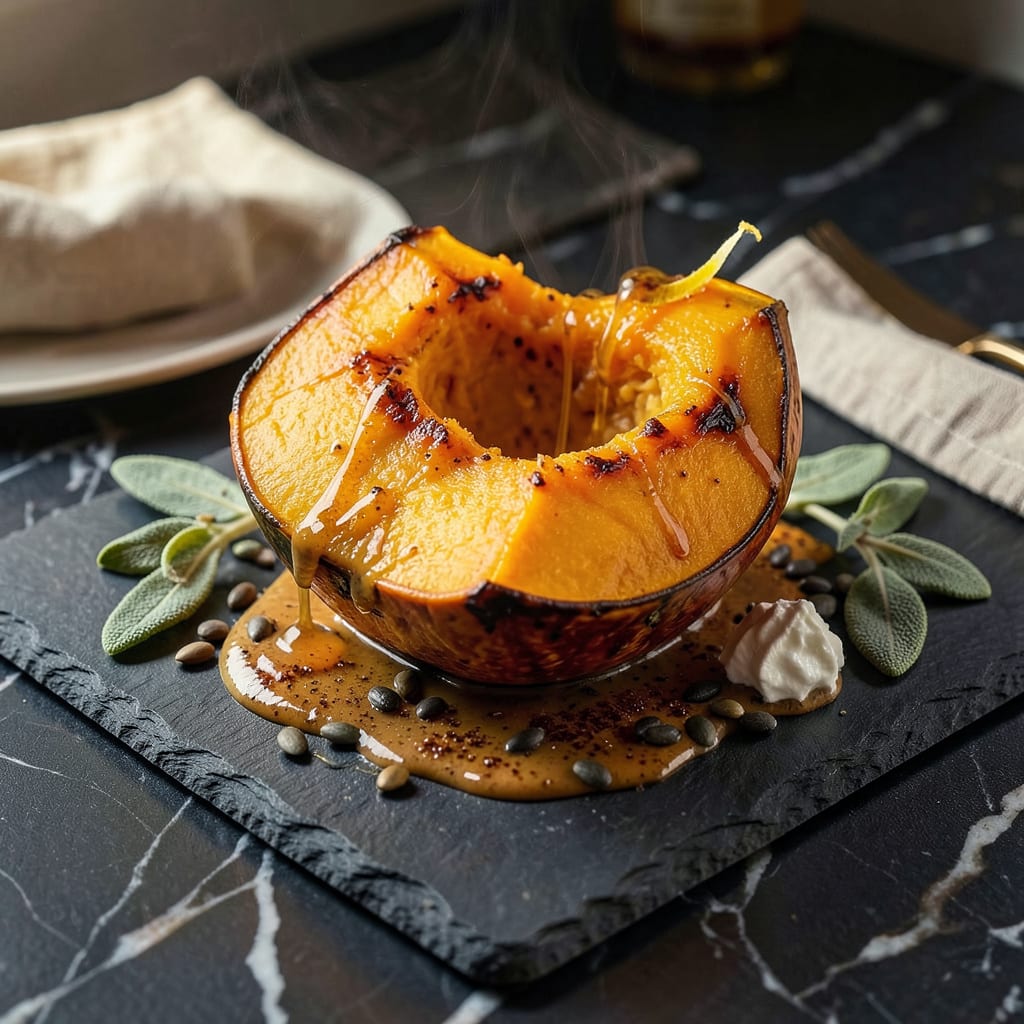
Yes, you can eat giant pumpkins, but they’re bred for size—not flavor. Their flesh is often bland, stringy, and watery compared to smaller varieties. Best used in soups, purées, or baked goods where texture can be masked, not for fresh eating.
These massive pumpkins are grown primarily for competitions, where weight is the priority—not taste. 🔥 The selective breeding process sacrifices sweetness and firmness, leaving behind a fibrous, dilute flesh that lacks the rich, caramelized notes of classic pie pumpkins. I’ve found they work best when blended into recipes where their mild flavor won’t overpower other ingredients, like spiced breads or hearty autumn stews.
What’s fascinating is how their composition changes as they grow. The sheer size means more water content and less concentrated sugars, which is why they’re far less satisfying raw. ✨ For best results, I recommend roasting or steaming to soften the texture before incorporating into dishes—this helps minimize the stringiness that turns many people off.
💡 In This Article
- Why Giant Pumpkins Taste Different Than Regular Varieties
- Safe Ways to Cook and Prepare Giant Pumpkins
Why Giant Pumpkins Taste Different Than Regular Varieties
The flavor gap between giant pumpkins and their smaller cousins starts with selective breeding. Competitive growers prioritize genes that maximize water retention and cell expansion—key for rapid growth—but these same traits dilute natural sugars. A typical pie pumpkin contains 8-12% sugar content, while giant varieties often test below 5%.
This dramatic difference explains why they taste more like a watery squash than the sweet, earthy pumpkin we expect.
Texture issues come down to cellular structure. Giant pumpkins develop thicker cell walls to support their massive weight, creating that stringy, fibrous mouthfeel. 🔥 The flesh also contains more pectin (a structural carbohydrate), which breaks down unevenly during cooking. Compare this to sugar pumpkins, where cells remain tender and uniform—perfect for smooth purées.
The moisture content in giants can reach 92%, compared to 85-88% in standard varieties, making them prone to sogginess when cooked.
Nutritionally, they’re not equal either. While both provide vitamin A and fiber, giant pumpkins have 30-40% less beta-carotene per gram than pie pumpkins. Their seeds, however, are a bright spot—often larger and more abundant, with the same nutty flavor and nutritional benefits.
The rind presents another challenge: it’s 2-3 times thicker than regular pumpkins, requiring serious muscle (or a cleaver) to penetrate. This tough exterior protects the fruit during growth but makes prep work intensive.
Here’s what’s actually happening at the molecular level: as giant pumpkins grow, their vascular system prioritizes transporting water to expanding cells rather than developing flavor compounds. The result? A flesh composition that’s 70% water, 20% carbohydrates (mostly starch), and only 1-2% sugars.
Traditional pumpkins invert this ratio, with sugars making up 6-8% of their flesh weight. This fundamental difference explains why giants excel in size competitions but fall flat in taste tests.
The growing conditions amplify these differences. Competition pumpkins are often fed a high-nitrogen diet to accelerate growth, which further reduces sugar accumulation. 🌱 Standard pumpkins, meanwhile, benefit from balanced fertilization that allows flavor development.
Even the harvest timing differs—giants are picked at peak size (often 1,000+ pounds), while flavor varieties are harvested when sugars concentrate, typically at 10-20 pounds.
What most people don’t realize is that these textural “flaws” can be advantages in certain preparations. The high water content makes excellent broth bases, while the fibrous nature helps baked goods retain moisture.
✨ The key is treating giant pumpkin flesh as you would zucchini or summer squash—blending it into dishes where its mildness can absorb other flavors rather than standing alone. Their neutral taste profile actually makes them ideal for savory applications where sweet pumpkin varieties might clash.
The science behind this involves understanding how plant breeders have essentially created a different vegetable. Through generations of selecting for size over flavor, they’ve accidentally developed what’s essentially a giant, edible water balloon with pumpkin DNA. 💫 The good news?
With the right techniques, even these behemoths can transform into delicious dishes—you just need to work with their unique composition rather than against it.

Trained in classic French technique but raised on slow-cooked ribs and spicy rubs, she blends culinary skill with smoke and soul.
- Recipe for Boneless Pork Chops in Cast Iron Skillet: Sear and Baste to Juicy Perfection - October 3, 2026
- Recipe for Boneless Cross Rib Roast: Slow-Roasted Beef with Herb Crust - October 3, 2026
- Hamburgers in Sauce Recipe Crock Pot: Slow-Cooked Savory Delight - October 3, 2026