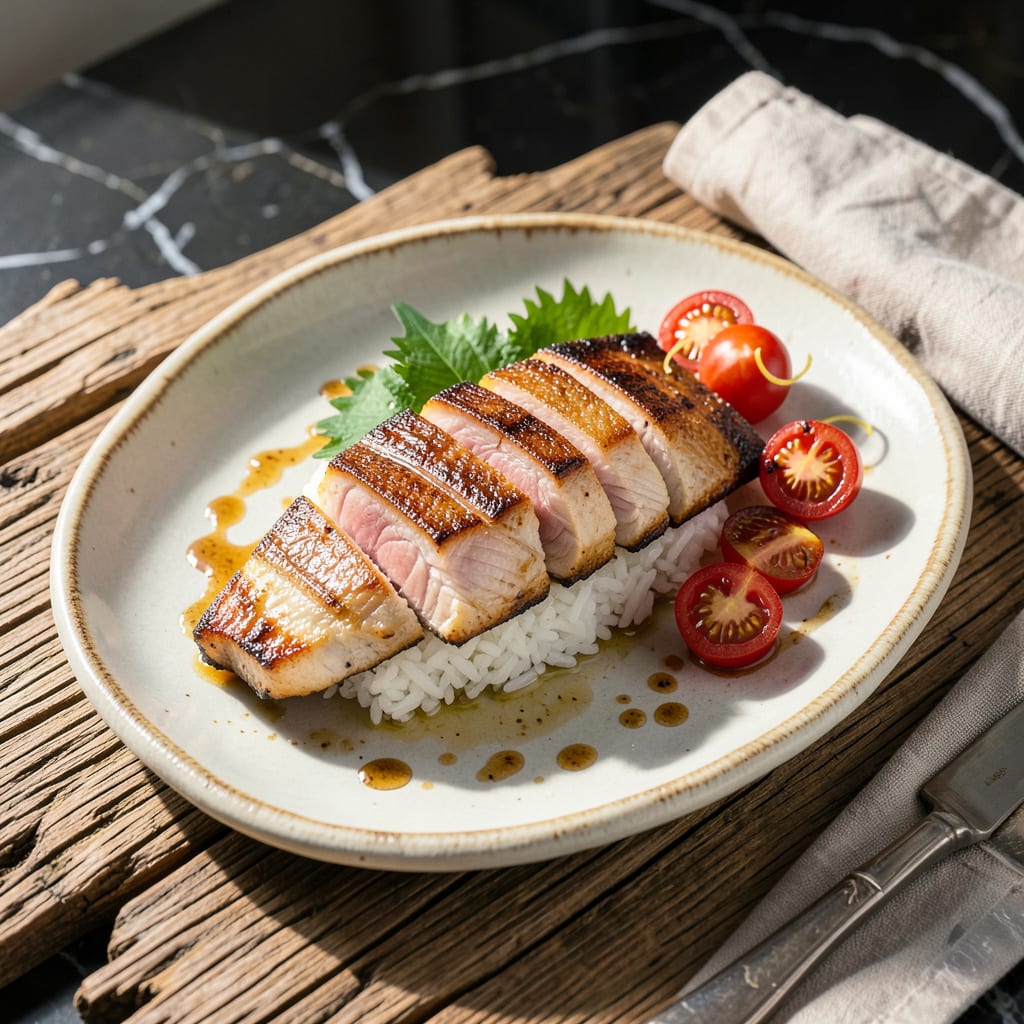
Yes, bonito fish is safe and delicious to eat when properly prepared. It’s a staple in Japanese cuisine, often served as sashimi, grilled, or dried into flakes for broths and seasonings. Always ensure freshness and proper sourcing for raw consumption.
Bonito’s versatility makes it a favorite in kitchens worldwide, from high-end sushi bars to home-cooked meals. 🔥 The key to enjoying it safely lies in its handling—whether you’re searing it lightly for tataki or using it as the base for dashi broth. I’ve found that its rich, slightly smoky flavor works beautifully in both traditional and modern dishes, though proper sourcing is non-negotiable, especially when eating it raw.
What sets bonito apart is its balance of bold taste and delicate texture. Unlike some fish that can be overpowering, it pairs well with everything from citrusy marinades to umami-packed sauces. For the best experience, look for bright, clear eyes and firm flesh—signs of peak freshness. ✨
💡 In This Article
- Why Bonito Fish Is a Nutritional Powerhouse
- Best Ways to Cook and Serve Bonito Fish
Why Bonito Fish Is a Nutritional Powerhouse
A single 3.5-ounce (100g) serving of bonito delivers 25g of protein—nearly half the daily recommended intake—along with 1.2g of omega-3 fatty acids, which is comparable to salmon but with a milder flavor profile.
What makes bonito unique is its perfect balance of lean protein and healthy fats, without the heavy oiliness of mackerel or the dryness of cod. The fish’s diet of small baitfish and plankton in warm ocean currents gives its flesh that signature firm yet tender texture.
Bonito’s nutritional edge comes from its high concentrations of vitamin B12 (over 200% DV per serving) and selenium, a powerful antioxidant. Unlike farmed fish, wild-caught bonito accumulates these nutrients naturally from its marine environment.
The smoking process used for katsuobushi (dried bonito flakes) actually concentrates these nutrients—just 1 tablespoon of flakes provides 5% of your daily iron needs. 🔥
What surprises most people is how bonito’s flavor intensity correlates with its nutritional density. The fish’s dark red flesh (from high myoglobin content) indicates rich iron stores, while its moderate fat content makes it more versatile than oily fish like tuna.
I’ve found it holds up beautifully to high-heat cooking methods like grilling at 400°F without losing moisture, thanks to its unique muscle structure.
Compared to other popular fish, bonito offers distinct advantages: it has 30% more protein than cod but half the mercury of albacore tuna. The Japanese have perfected ways to maximize its benefits—whether served raw as bonito sashimi (where its clean taste shines) or simmered into dashi broth to extract every bit of umami.
For those watching sodium, fresh bonito contains only 50mg per serving—far less than processed flakes.
The secret to bonito’s safety and quality lies in its short shelf life—it’s best consumed within 24-48 hours of catch when fresh. This rapid turnover means you’re getting fish at peak nutritional value. When buying whole, look for bright red gills and flesh that springs back when pressed, signs of optimal freshness and nutrient retention.
✨
For raw consumption, flash-freezing at -4°F (-20°C) for 7 days eliminates parasites while preserving texture. This technique, standard in Japanese markets, ensures you can enjoy bonito’s full nutritional benefits without compromise. The fish’s natural inosinate content (a flavor enhancer) actually increases slightly during proper freezing, making it taste even richer when thawed.
What most home cooks overlook is how bonito’s nutritional profile changes with preparation. Grilling preserves 90% of its omega-3s, while frying reduces them by about 30%. For maximum benefit, I recommend light cooking methods like tataki (seared 10 seconds per side) or steaming, which retain nearly all nutrients while enhancing its natural sweetness. 💫

Trained in classic French technique but raised on slow-cooked ribs and spicy rubs, she blends culinary skill with smoke and soul.
- Recipe for Boneless Pork Chops in Cast Iron Skillet: Sear and Baste to Juicy Perfection - October 3, 2026
- Recipe for Boneless Cross Rib Roast: Slow-Roasted Beef with Herb Crust - October 3, 2026
- Hamburgers in Sauce Recipe Crock Pot: Slow-Cooked Savory Delight - October 3, 2026