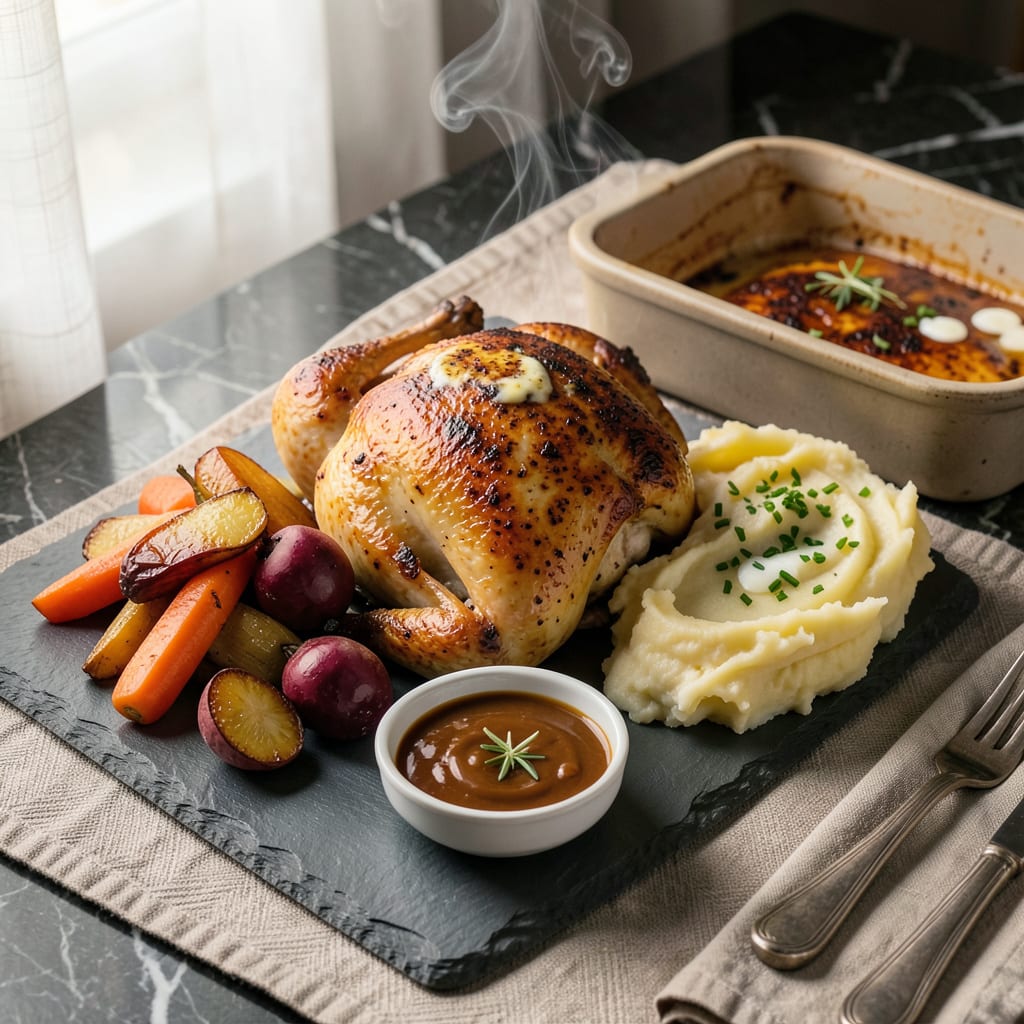
Keep food warm in the oven at 60–80°C (140–175°F) for safety and quality. Below 60°C risks bacterial growth, while above 80°C may overcook or dry out dishes. Use the lower end for delicate foods like sauces or fish.
This temperature sweet spot isn’t arbitrary—it’s where science meets practicality. 🔥 At 60°C, you’re safely above the bacterial “danger zone” while avoiding the moisture loss that happens at higher temps. I’ve seen professional kitchens use this exact range because it preserves both texture and flavor without continuing the cooking process. The difference between 70°C for roasted meats versus 60°C for custards can mean the line between perfect and ruined.
💡 In This Article
- Why Oven Temperature Matters for Keeping Food Warm
- Pro Tips for Holding Food Warm in the Oven
Why Oven Temperature Matters for Keeping Food Warm
The 60–80°C range isn’t just a random suggestion—it’s a carefully calculated balance between food safety and quality preservation. Below 60°C, you enter what food scientists call the “danger zone” (5–60°C), where bacteria like Salmonella and E. coli multiply rapidly.
At 60°C, protein structures in food begin to stabilize, slowing bacterial growth without continuing the cooking process. This is why restaurants use 63°C holding cabinets for buffets—it’s the minimum safe threshold. 🔥
Above 80°C, you risk breaking down food at a cellular level. Proteins like those in chicken or fish start to squeeze out moisture, creating that dreaded dry, stringy texture. Starches in potatoes or pasta continue to absorb liquid and turn gummy.
I’ve ruined more than one batch of mashed potatoes by holding them at 90°C—they transformed from creamy to gluey in under an hour. The sweet spot of 65–75°C maintains food integrity while keeping it service-ready.
Delicate foods demand even more precision. A béchamel sauce at 80°C will skin over, while poached fish at 70°C turns rubbery. Commercial kitchens use 60°C for these items because it preserves texture without compromising safety.
The difference between 60°C and 80°C might seem small, but it’s the line between a silky hollandaise and a broken mess. ✨
Heat distribution plays a role too. Convection ovens can hold food at the lower end (60–65°C) because they circulate air evenly, while conventional ovens might need 70–75°C to maintain consistent warmth. I always recommend using an oven thermometer—most home ovens run 10–15°C hotter or cooler than their dials indicate.
That 68°C setting might actually be 80°C, pushing your carefully cooked prime rib into overdone territory. 🌡️
The science behind this involves Maillard reactions and starch retrogradation. At holding temps, you want to pause these processes, not accelerate them. Below 60°C, enzymes remain active, potentially turning your beautifully seared steak mushy. Above 80°C, sugars continue to caramelize, which might sound good until your glazed carrots turn to candy.
Professional chefs call this range the “neutral zone”—where food stays in perfect stasis. 💫
Even the type of dishware matters. Ceramic retains heat better than glass, allowing you to use the lower end of the range. A stainless steel hotel pan in a 70°C oven will keep food warmer than the same setting with a glass baking dish.
I learned this the hard way when my au jus arrived lukewarm at the table despite “proper” holding—turns out my elegant glass gravy boat was the culprit. Now I preheat my serving dishes at 80°C for 10 minutes before adding food. ⚡
Timing enters the equation too. Most foods can hold safely for 1–2 hours in this range, but dairy-based dishes start separating after 90 minutes. The longer food sits, the more its quality degrades—even at perfect temps. That’s why caterers use chafing dishes with water pans: the steam creates a protective microclimate.
At home, adding a cup of hot water to your oven creates similar humidity, keeping turkey breast juicy for that second serving. 💛

Trained in classic French technique but raised on slow-cooked ribs and spicy rubs, she blends culinary skill with smoke and soul.
- Recipe for Boneless Pork Chops in Cast Iron Skillet: Sear and Baste to Juicy Perfection - October 3, 2026
- Recipe for Boneless Cross Rib Roast: Slow-Roasted Beef with Herb Crust - October 3, 2026
- Hamburgers in Sauce Recipe Crock Pot: Slow-Cooked Savory Delight - October 3, 2026