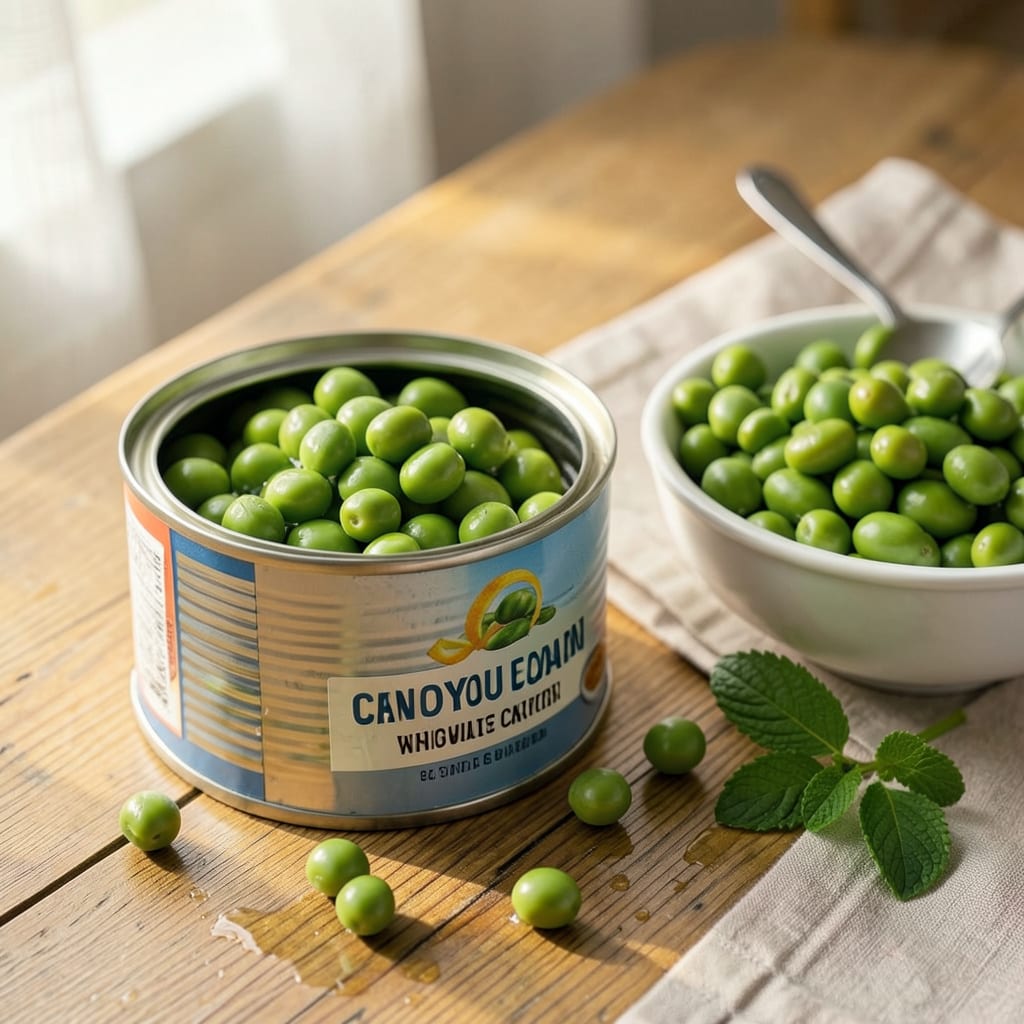
Yes, canned peas are pre-cooked during processing and can be eaten straight from the can. They’re safe to consume cold, but rinsing them first improves taste and reduces sodium content.
I’ve found that the canning process actually pressure-cooks peas at high temperatures, which softens their texture while locking in nutrients. This method meets strict FDA safety standards for low-acid vegetables, ensuring harmful bacteria are eliminated. 🔥 What’s interesting is how this process preserves their natural sweetness—though I always recommend draining and rinsing to remove excess salt and that metallic aftertaste. It’s a quick way to add plant-based protein to salads or wraps without turning on the stove.
💡 In This Article
- Why Canned Peas Are Safe to Eat Without Cooking
- Best Ways to Serve Canned Peas Without Heating
Why Canned Peas Are Safe to Eat Without Cooking
The canning process transforms raw peas through commercial sterilization at temperatures exceeding 240°F under pressure. This isn’t your home kitchen boiling—it’s industrial-grade heat that penetrates every pea, destroying bacteria like Clostridium botulinum while softening the cell walls.
The FDA mandates this for low-acid vegetables, requiring a minimum F0 value of 3 (a sterilization benchmark) to ensure safety. 🔥
What’s fascinating is how this process preserves nutrients better than home cooking. Studies show canned peas retain about 80-90% of their vitamin C and fiber content, compared to just 50% in boiled fresh peas. The airtight seal creates a vacuum that locks in water-soluble vitamins like B-complex and folate.
Unlike frozen peas that may develop ice crystals, canning maintains a consistent texture—though you’ll notice they’re softer than fresh.
The metal can itself plays a protective role. Modern cans are lined with food-grade enamel that prevents direct contact between peas and metal, eliminating the risk of leaching. This lining is heat-cured during processing at 400°F+, creating an inert barrier. The “pop” sound when opening?
That’s the vacuum seal breaking—a sign the contents remained uncontaminated since processing.
Here’s what most people overlook: the liquid in the can isn’t just water. It’s a carefully balanced brine (typically 1-2% salt solution) that maintains osmotic pressure, keeping peas plump. This brine also contains citric acid or calcium chloride as firming agents, which is why drained peas hold their shape better than home-cooked versions.
The pH is precisely controlled between 5.0-6.5 to prevent microbial growth while preserving color.
For those concerned about BPA (found in some older can linings), major brands now use BPA-free alternatives like polyester or acrylic coatings. The canning industry has also reduced sodium content by 25-40% in recent years while maintaining safety standards.
This means you’re getting pre-cooked peas that are not only safe but increasingly aligned with modern health guidelines. ✨
Consider this: the same technology that makes astronaut food shelf-stable for years ensures your canned peas are safe to eat straight from the can. NASA actually uses similar thermal processing for space missions—just without the gravity challenges.
The next time you’re skeptical about unheated canned veggies, remember they’ve passed more rigorous safety tests than most restaurant meals.

Trained in classic French technique but raised on slow-cooked ribs and spicy rubs, she blends culinary skill with smoke and soul.
- Recipe for Boneless Pork Chops in Cast Iron Skillet: Sear and Baste to Juicy Perfection - October 3, 2026
- Recipe for Boneless Cross Rib Roast: Slow-Roasted Beef with Herb Crust - October 3, 2026
- Hamburgers in Sauce Recipe Crock Pot: Slow-Cooked Savory Delight - October 3, 2026