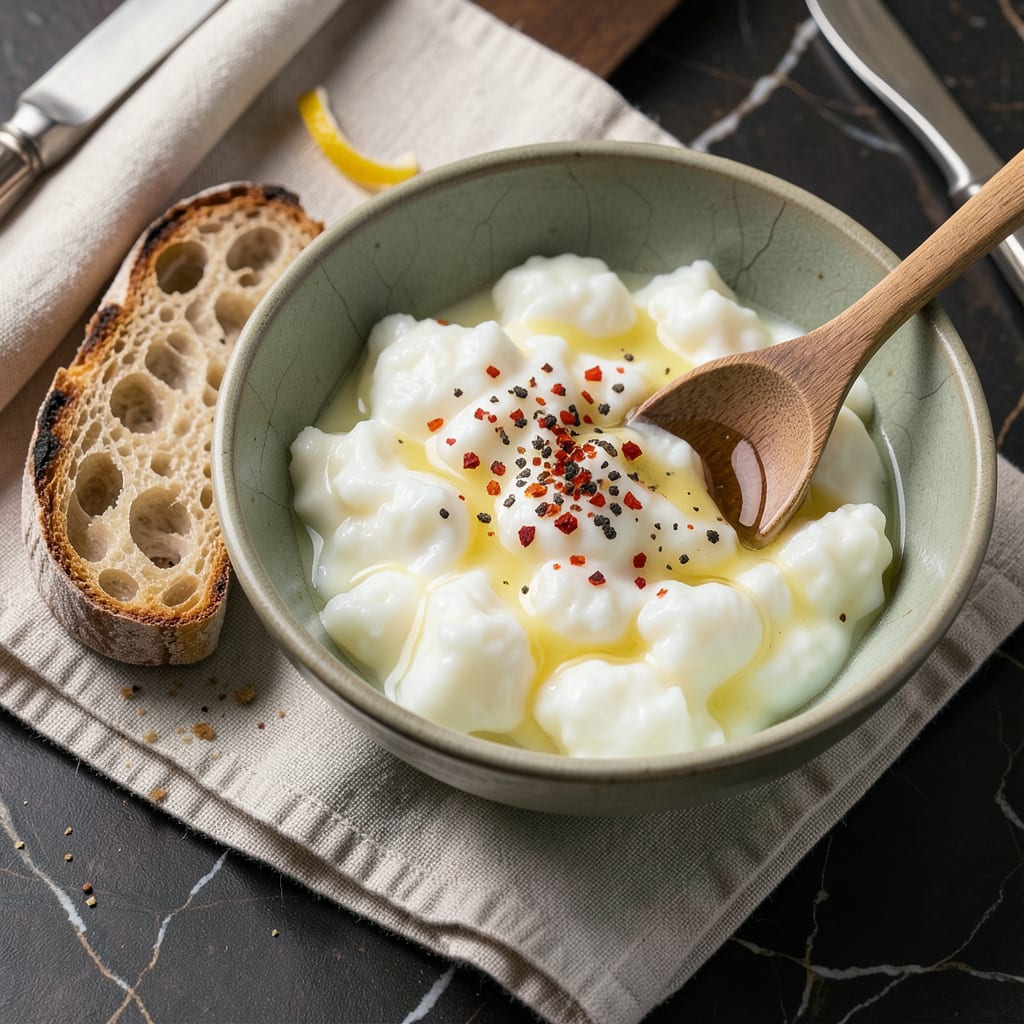
Eating small amounts of accidentally curdled milk is usually safe if it smells normal and shows no mold, but intentionally consuming spoiled milk can cause food poisoning. When in doubt, discard it—especially if it has an off smell or unusual texture.
I’ve learned through experience that the difference between harmless curdling and dangerous spoilage comes down to bacterial growth versus acid-induced separation. 🔥 The natural souring process from lactic acid (like in buttermilk) is safe, but when harmful bacteria take over, you’ll notice distinct changes—think chunky consistency, sour stench, or greenish mold. This is why I always trust my nose first: if it smells even slightly off, it’s not worth the risk. The key is understanding that not all curdling equals contamination, but you should never gamble with questionable dairy.
💡 In This Article
- Why Milk Curdles and When It Becomes Unsafe
- Safe Alternatives for Curdled Milk in Cooking and Baking
Why Milk Curdles and When It Becomes Unsafe
Milk curdling happens when proteins (casein) clump together due to acidity or enzyme activity. This is actually how cheese is made—rennet or vinegar separates curds from whey. The difference between safe and unsafe curdling comes down to pH levels and microbial activity.
Fresh milk has a pH around 6.7, but as lactic acid bacteria grow, they lower the pH to 4.6 or below, causing natural souring. This is the same process that creates yogurt or buttermilk. 🔥
Temperature plays a massive role in curdling speed. Milk left at room temperature (above 40°F) for more than 2 hours can develop harmful bacteria like E. coli or Listeria. These pathogens thrive between 40-140°F, which is why refrigeration is critical.
You’ll know milk has spoiled when it develops a slimy texture, yellowish tint, or smells like rotten eggs—these are signs of bacterial overgrowth producing sulfur compounds. ✨
The real danger comes from pathogenic bacteria that don’t always change milk’s appearance. While harmless lactic acid bacteria create pleasant tanginess, dangerous microbes like Salmonella can multiply without obvious signs. This is why I always recommend the smell test first—if it’s even slightly off, don’t risk it.
The CDC reports that unpasteurized milk is 150 times more likely to cause foodborne illness than pasteurized, showing how critical proper handling is. ⚡
Here’s what to watch for: Safe curdling (like for paneer) produces clean white curds in clear whey with a mild, yogurt-like aroma. Spoiled milk often has grayish chunks, fizzing bubbles, or smells sharp and putrid. The texture becomes stringy or mucous-like when harmful bacteria dominate.
I once saw milk that looked fine but smelled like ammonia—that’s protein breakdown from advanced spoilage. 💫
Time is the hidden factor most people overlook. Milk can start curdling within 24 hours of refrigeration if not sealed properly, but may take 3-5 days to become dangerous. The USDA found that milk stored at 45°F (just 5° above ideal fridge temp) spoils twice as fast.
This is why I store milk in the coldest part of the fridge (back of bottom shelf) and use it within 5 days of opening. 🌟
For those who intentionally curdle milk (like for ricotta), the process is controlled: heat to 185°F, add vinegar or lemon juice, then strain. This creates safe curds because the acid comes from a sterile source, not bacterial growth. The curds should be bright white and taste clean and milky.
Any off-colors or bitter flavors mean contamination has occurred during the process. 💛
The bottom line? Trust your senses. Safe curdling smells mildly tangy and looks uniform, while spoiled milk assaults your nose and often has uneven textures. When in doubt, remember that foodborne bacteria can multiply to dangerous levels before visible signs appear—better safe than sorry with dairy products. ✨

Trained in classic French technique but raised on slow-cooked ribs and spicy rubs, she blends culinary skill with smoke and soul.
- Recipe for Boneless Pork Chops in Cast Iron Skillet: Sear and Baste to Juicy Perfection - October 3, 2026
- Recipe for Boneless Cross Rib Roast: Slow-Roasted Beef with Herb Crust - October 3, 2026
- Hamburgers in Sauce Recipe Crock Pot: Slow-Cooked Savory Delight - October 3, 2026