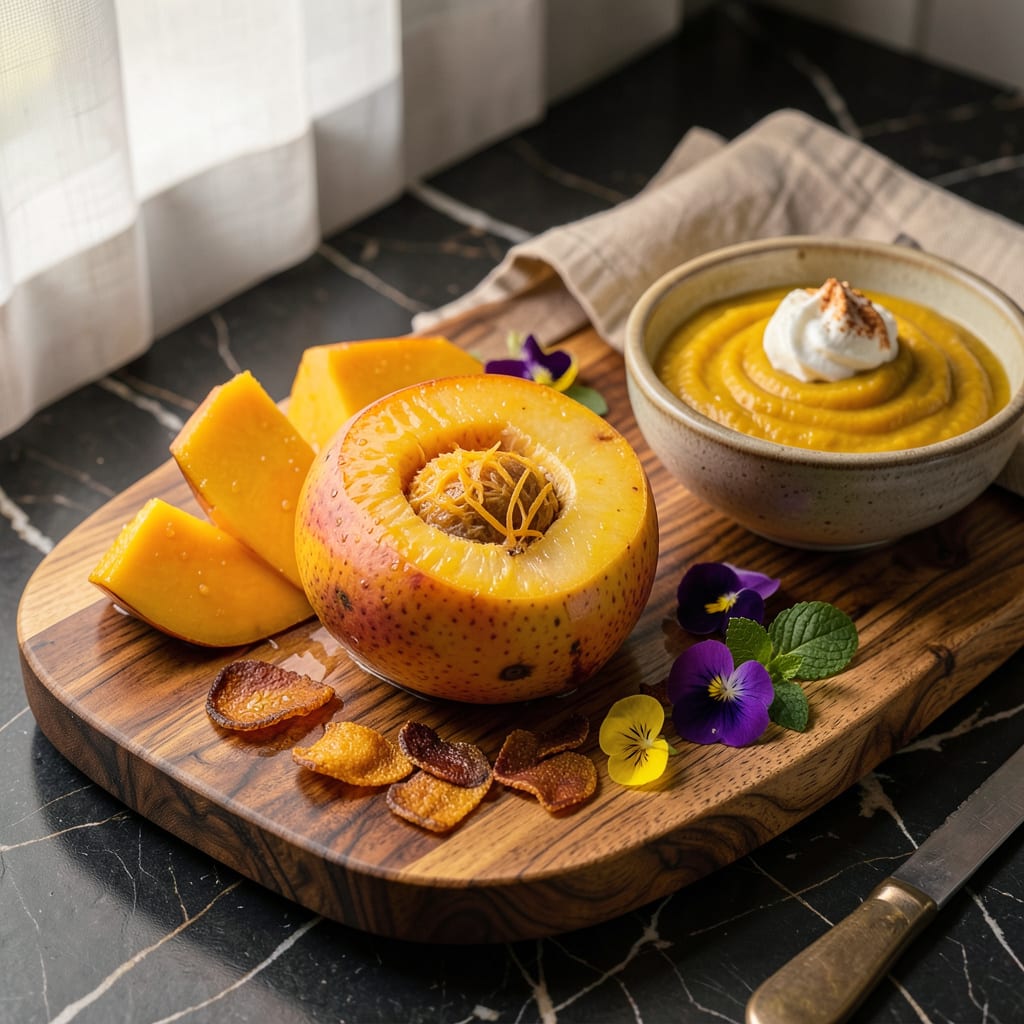
Yes, you can eat overripe mango as long as it isn’t moldy or fermented. The flesh becomes softer, sweeter, and mushy—perfect for smoothies, sauces, or desserts—but avoid slimy or foul-smelling fruit.
I’ve found that overripe mangoes actually develop a more concentrated sweetness because their natural sugars become more pronounced as they soften. 🔥 This makes them ideal for blending into tropical smoothies or reducing into syrups for cocktails. The key is checking for off-putting odors or sticky textures—those are red flags. In my kitchen, I often freeze overripe mango chunks to use later in sorbets or as a natural sweetener in oatmeal.
💡 In This Article
- How Overripe Mangoes Change in Flavor and Texture
- Creative Ways to Use Overripe Mango in Recipes
How Overripe Mangoes Change in Flavor and Texture
When mangoes overripen, enzymes like pectinase break down cell walls, transforming the flesh from firm to velvety soft. This process releases bound sugars, making the fruit taste up to 30% sweeter than its ripe counterpart. The flesh loses structural integrity as pectin degrades, creating that signature mushy texture perfect for blending.
Think of it like a banana’s progression—firm when green, creamy when yellow, and custard-like when speckled brown.
The sugar concentration isn’t the only change. Organic acids like citric and malic acid decrease during overripening, reducing tartness while volatile compounds intensify. This is why overripe mangoes smell stronger—those tropical, floral aromas become more pronounced.
🌺 A perfectly ripe mango measures about 15-18° Brix (sugar content), while an overripe one can reach 20-24° Brix, similar to honeydew melon at peak sweetness.
Texture-wise, the flesh transitions from fibrous to almost pudding-like. The color deepens too—those golden hues develop richer orange tones as carotenoids (natural pigments) become more concentrated. I’ve noticed overripe mangoes work beautifully in recipes where texture isn’t critical, like mousse or sorbet, where their natural creaminess becomes an asset rather than a drawback.
There’s a scientific sweet spot: mangoes at 100-120% ripeness (based on firmness tests) develop maximum flavor compounds. Beyond that, fermentation begins as natural yeasts activate. You’ll first notice a slightly bubbly texture near the pit—this is when to use them immediately or freeze for later.
The skin may wrinkle like a dried apricot, but that’s just moisture loss, not a safety concern.
Compare this to other fruits: overripe mangoes behave more like peaches than berries. While strawberries get mealy when overripe, mangoes develop a luscious, almost jam-like consistency. Their high water content (83% when ripe) means they soften dramatically but rarely dry out completely like some stone fruits might.
The pit offers clues too—when the flesh pulls away cleanly with no resistance, you’re in overripe territory. This is actually ideal for making purees, as the flesh separates effortlessly from the seed.
💛 Just avoid any with dark spots spreading into the flesh or liquid oozing from the stem end—those indicate microbial activity rather than simple overripeness.
Pro tip: Overripe mangoes blend into smoothies with half the added sugar needed for ripe ones. Their natural pectin breakdown means they incorporate seamlessly into batters and doughs too, adding moisture without graininess.
I’ve successfully substituted overripe mango puree for up to 30% of fat in quick bread recipes—it keeps baked goods tender while adding tropical notes.

Trained in classic French technique but raised on slow-cooked ribs and spicy rubs, she blends culinary skill with smoke and soul.
- Recipe for Boneless Pork Chops in Cast Iron Skillet: Sear and Baste to Juicy Perfection - October 3, 2026
- Recipe for Boneless Cross Rib Roast: Slow-Roasted Beef with Herb Crust - October 3, 2026
- Hamburgers in Sauce Recipe Crock Pot: Slow-Cooked Savory Delight - October 3, 2026