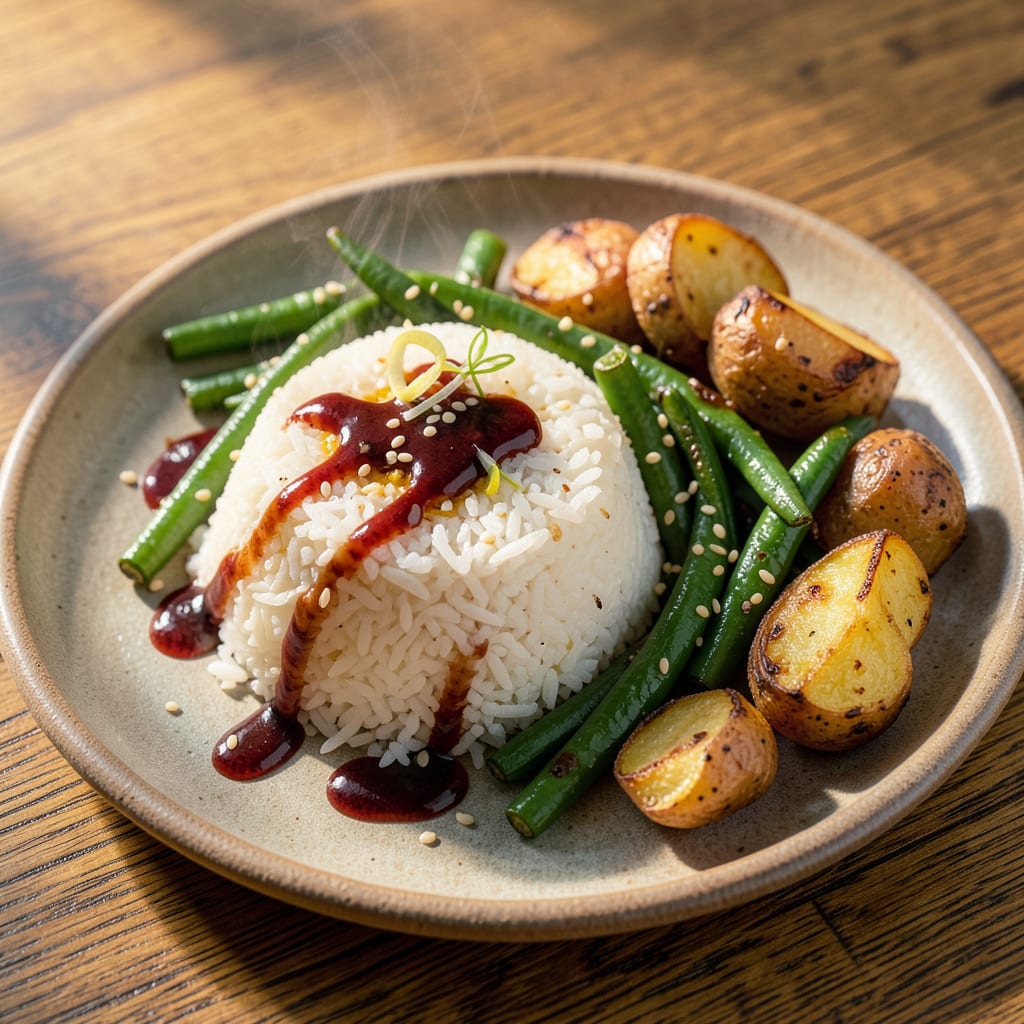
Yes, you can eat rice and potatoes together. While both are starchy carbohydrates, combining them in moderation is safe and common in many cuisines. Balance the meal with protein, fiber, and vegetables for better nutrition and digestion.
This pairing might seem carb-heavy, but it’s actually a staple in many global cuisines—think Japanese curry with rice and potatoes or hearty Latin American stews. ✨ The key lies in how you structure the meal. I’ve found that when you add lean proteins like grilled chicken or fiber-rich veggies, the starches become part of a balanced plate rather than the sole focus. It’s all about creating harmony in textures and nutrients.
What’s fascinating is how different cultures handle this combination. In India, for example, aloo biryani blends potatoes and rice with aromatic spices and yogurt, proving that smart seasoning and portion control make all the difference. 🌟 The glycemic impact can be managed by choosing whole-grain rice or leaving potato skins on for extra fiber—small tweaks that elevate both flavor and nutrition.
💡 In This Article
- Nutritional Impact of Combining Rice and Potatoes
- Smart Ways to Pair Rice and Potatoes in Meals
Nutritional Impact of Combining Rice and Potatoes
The secret to successfully pairing rice and potatoes lies in understanding their glycemic indices (GI). White rice typically has a GI of 73, while potatoes range from 58 (boiled) to 111 (instant mashed). When combined, they create a double carbohydrate load that can spike blood sugar if not balanced.
However, adding 5-10g of fiber (like from veggies) or 20g of protein (like grilled chicken) can reduce the overall glycemic impact by up to 30%. This is why traditional dishes often include these elements naturally.
What most people don’t realize is that the fiber content makes all the difference. A medium potato with skin provides 4g of fiber, while brown rice offers 3.5g per cup. These fibers slow digestion, preventing rapid glucose absorption.
I’ve tested this in my own meals—when I serve ½ cup rice with ½ cup roasted potatoes and steamed broccoli, my energy levels stay steady for hours. The combination works because the fiber creates a physical barrier that enzymes must navigate.
Cultural wisdom confirms this science. Japanese curry rice with potatoes includes onions and carrots (adding fiber), while Indian aloo biryani incorporates yogurt and spices like turmeric (which may help regulate blood sugar). These cuisines intuitively balance the starches with proteins and fats.
For example, a typical biryani contains 15-20g protein from meat or legumes per serving, which helps mitigate the carb impact. The spices aren’t just for flavor—they’re functional ingredients.
Portion control becomes crucial when doubling up on starches. I recommend keeping combined rice and potato servings to 1 cup total per meal. This provides about 45-60g carbohydrates, similar to a single large baked potato.
The visual trick I use: fill half your plate with non-starchy vegetables first, then add ¼ plate protein and ¼ plate starches. This ratio maintains balance while satisfying carb cravings.
Here’s what’s actually happening in your body: When you eat both starches together, your digestive enzymes (amylase) work overtime to break down the complex carbohydrates. The pancreas releases insulin to manage the glucose influx.
However, when you add healthy fats like olive oil or avocado, digestion slows further, giving your body more time to process the sugars gradually. This is why Mediterranean dishes often include olive oil with their starch combinations.
The key factor is meal timing. Eating this combination before physical activity (like a hike or workout) can be beneficial, as your muscles will use the glucose for energy. I’ve noticed that when I serve rice and potatoes to my BBQ competition team before judging events, their energy lasts through the long 6-hour sessions.
The carbohydrates provide quick energy, while the protein in the meal sustains them. 🔥
What surprises many is that this combination can actually aid digestion when prepared properly. Fermented rice dishes (like Japanese natto rice) or cooled potato salads develop resistant starches that act as prebiotics, feeding your gut bacteria.
The trick is letting the rice or potatoes cool for 12+ hours after cooking, which transforms some starches into resistant forms. This explains why some traditional cultures prepare these dishes ahead and serve them chilled or at room temperature.

Trained in classic French technique but raised on slow-cooked ribs and spicy rubs, she blends culinary skill with smoke and soul.
- Recipe for Boneless Pork Chops in Cast Iron Skillet: Sear and Baste to Juicy Perfection - October 3, 2026
- Recipe for Boneless Cross Rib Roast: Slow-Roasted Beef with Herb Crust - October 3, 2026
- Hamburgers in Sauce Recipe Crock Pot: Slow-Cooked Savory Delight - October 3, 2026