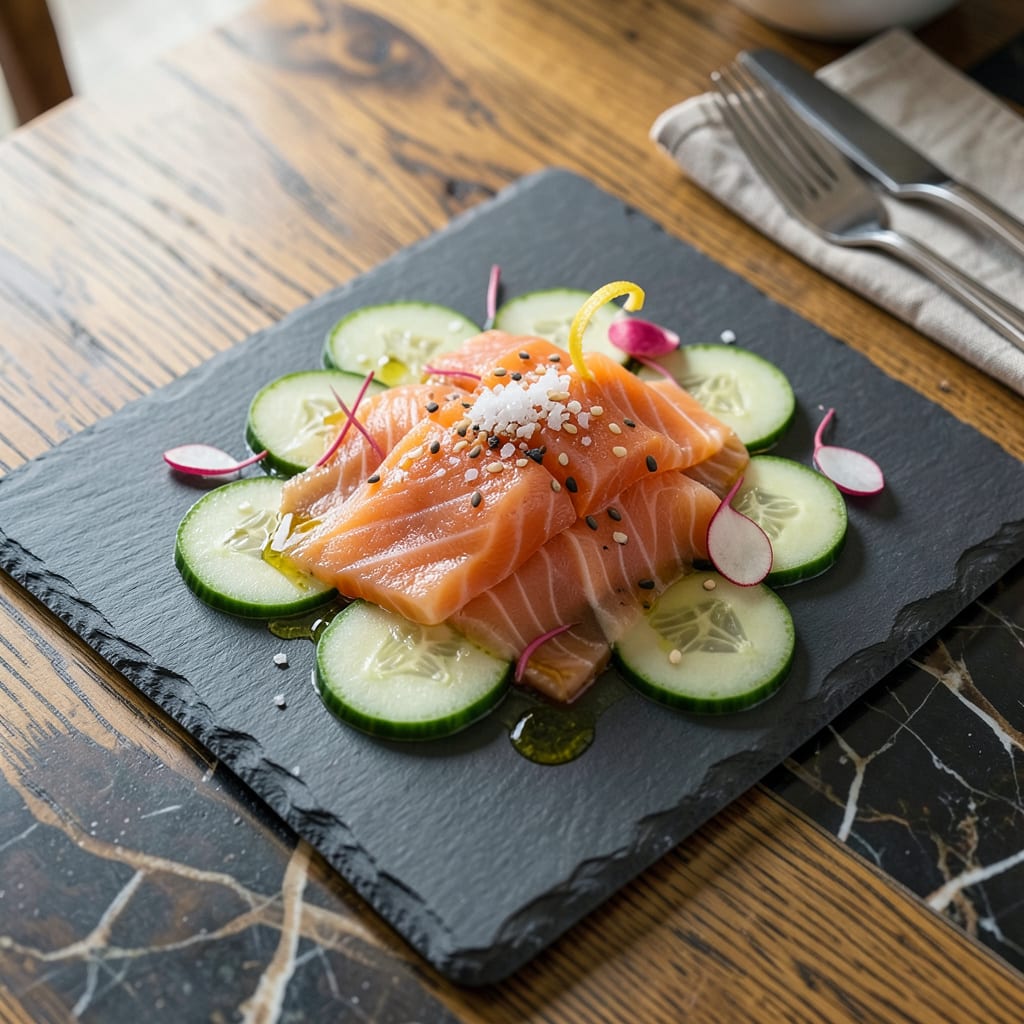
Eating raw supermarket salmon is risky unless it’s labeled sushi-grade or previously frozen to kill parasites. Most grocery store salmon isn’t treated for raw consumption, increasing the chance of foodborne illness from bacteria or parasites.
I’ve seen too many home cooks assume all fresh salmon is safe for sashimi or tartare—this is where things get dangerous. 🔥 The difference lies in how the fish is handled: sushi-grade salmon undergoes deep-freezing at -4°F for 7 days or flash-freezing at -31°F for 15 hours to eliminate parasites like anisakis. Regular supermarket salmon skips this critical step, and even “fresh” labels don’t guarantee safety. What’s worse, bacteria like listeria or salmonella can thrive on raw fish that hasn’t been properly processed—something you can’t detect by smell or appearance alone.
💡 In This Article
- Why Most Supermarket Salmon Isn’t Safe to Eat Raw
- How to Safely Prepare Store-Bought Salmon for Raw Dishes
Why Most Supermarket Salmon Isn’t Safe to Eat Raw
The hidden danger in supermarket salmon comes down to two invisible threats: parasites and bacteria. Anisakis worms, for example, burrow into salmon muscle tissue and can survive in unfrozen fish. These parasites aren’t killed by typical supermarket refrigeration at 38-40°F.
Even more alarming, they can remain alive during digestion, potentially causing severe abdominal pain or allergic reactions. 🔥 The FDA estimates that 50% of wild-caught salmon contains some form of parasite unless properly frozen.
Bacterial contamination is equally concerning. Supermarket salmon often sits on ice for days during transport and display, creating ideal conditions for pathogens like Listeria monocytogenes and Vibrio to multiply. These bacteria thrive at refrigerator temperatures and can’t be detected by smell or appearance.
Unlike sushi-grade fish that’s processed under strict HACCP guidelines, regular supermarket salmon undergoes minimal pathogen testing—leaving you vulnerable to foodborne illness.
Here’s where processing makes all the difference: sushi-grade salmon is either deep-frozen at -4°F for 7 days or flash-frozen at -31°F for 15 hours to kill parasites. This isn’t just a recommendation—it’s an FDA requirement for raw consumption.
Most supermarket salmon skips this step entirely, as standard freezing at 0°F doesn’t reach the necessary temperatures to eliminate all risks. The visual “freshness” you see at the seafood counter tells you nothing about parasite or bacteria levels. ✨
Even farm-raised salmon isn’t automatically safe. While it has fewer parasites than wild-caught, it’s still vulnerable to bacterial contamination during processing. The feed used in aquaculture can introduce different pathogens, and crowded farm conditions increase bacterial spread.
Without the specific freezing treatment, farm-raised salmon carries the same raw consumption risks as wild varieties—just with different microbial profiles.
Consider this: the “sell-by” date on supermarket salmon refers to cooked consumption, not raw. Stores aren’t required to label fish as “unsafe for raw consumption,” leaving consumers to make dangerous assumptions. I’ve seen too many cases where people confuse “fresh” with “safe for sashimi”—a mistake that can lead to serious health consequences.
The only reliable indicators are explicit “sushi-grade” or “previously frozen” labels. 💫
For perspective, professional sushi chefs source their salmon from suppliers who follow strict freezing protocols and provide certification. They also inspect each fillet under bright lights for parasites before serving. Your average supermarket seafood department lacks these safeguards, making their “fresh” salmon a gamble when eaten raw.
The risk simply isn’t worth it without proper preparation.

Trained in classic French technique but raised on slow-cooked ribs and spicy rubs, she blends culinary skill with smoke and soul.
- Recipe for Boneless Pork Chops in Cast Iron Skillet: Sear and Baste to Juicy Perfection - October 3, 2026
- Recipe for Boneless Cross Rib Roast: Slow-Roasted Beef with Herb Crust - October 3, 2026
- Hamburgers in Sauce Recipe Crock Pot: Slow-Cooked Savory Delight - October 3, 2026