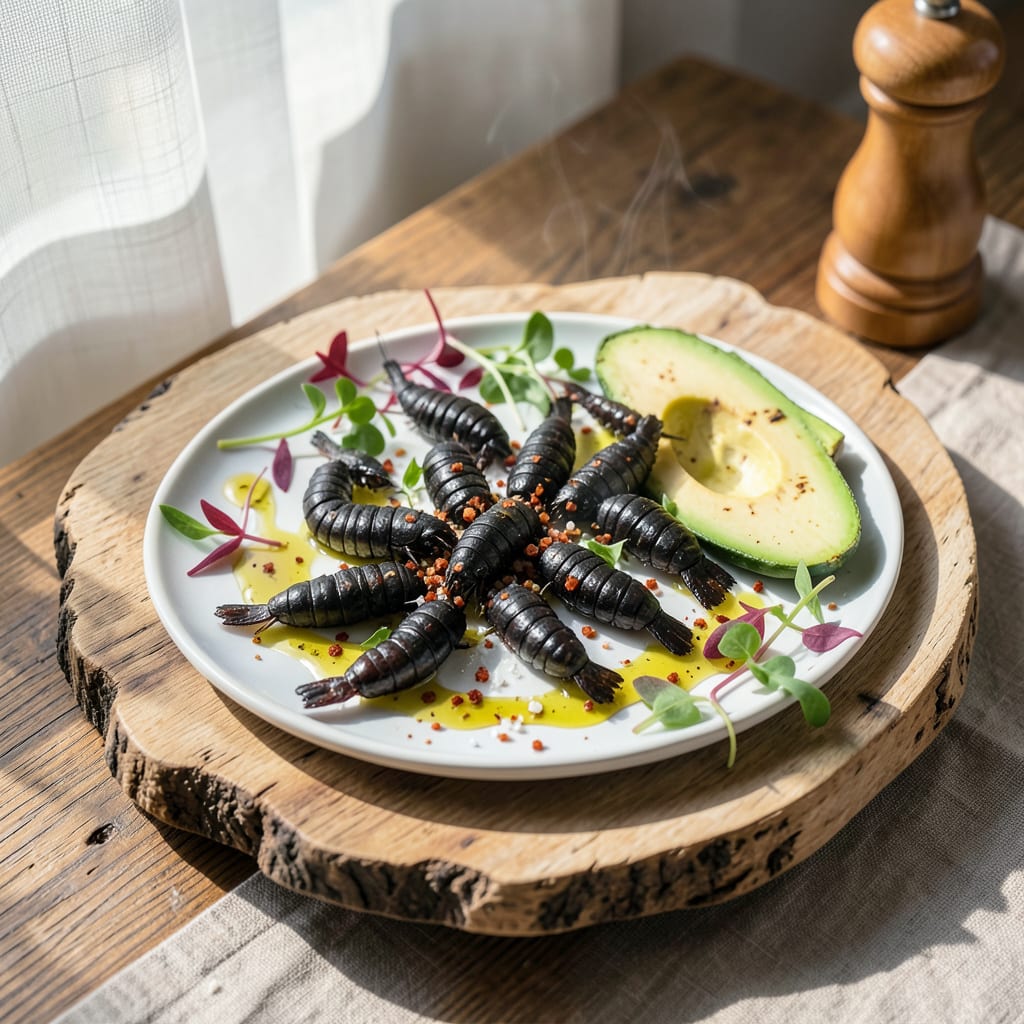
Yes, sand fleas (also called mole crabs or sand crabs) are edible and commonly eaten in coastal regions. They have a sweet, briny flavor similar to shrimp or crab but must be thoroughly cleaned and cooked to avoid grit or parasites.
I’ve found these tiny crustaceans to be a hidden gem along shorelines, especially in places like Florida and the Carolinas. 🌊 Their delicate texture works beautifully in soups or sautéed with butter and herbs—think of them as a sustainable alternative to pricier shellfish. The key is proper preparation: a quick boil in salted water loosens the grit, while a vinegar rinse helps eliminate any lingering sand.
What surprises most people is their versatility. They’re not just a novelty—they pack a nutritional punch with lean protein and omega-3s. I’ve even seen them used in ceviche or fried as crispy bar snacks. Just be sure to source them from clean waters to avoid contaminants. ✨
💡 In This Article
- Nutritional Value and Safety of Eating Sand Fleas
- Best Ways to Cook and Serve Sand Fleas
Nutritional Value and Safety of Eating Sand Fleas
Sand fleas pack a surprising nutritional punch for their tiny size. A 3.5-ounce serving delivers about 18-22 grams of protein—comparable to shrimp—along with omega-3 fatty acids that support heart health. Their mineral profile includes zinc, iodine, and selenium, which are often lacking in modern diets.
What makes them unique is their low mercury content compared to larger shellfish, thanks to their position at the bottom of the food chain. 🌊
The safety factor hinges on two critical elements: water quality and preparation technique. Sand fleas from pristine coastal waters are generally safe, but those harvested near industrial areas may accumulate heavy metals.
A 2018 study from the University of Florida found that proper boiling for 3-5 minutes eliminates most parasites, while a vinegar rinse (1 part vinegar to 3 parts water) helps remove residual sand. Their chitinous exoskeleton also acts as a natural barrier against some contaminants.
Allergen-wise, they share similarities with other crustaceans. People with shrimp or crab allergies should approach with caution, as cross-reactivity is common. The good news? Their small size means lower allergen concentration per serving.
I’ve found that cooking them in salted water with bay leaves not only enhances flavor but may help break down some allergenic proteins through the Maillard reaction during subsequent frying or sautéing. ✨
Sustainability is another win. Unlike overfished species, sand fleas reproduce rapidly and have minimal environmental impact when harvested responsibly. Coastal communities in the Southeast have been collecting them for generations using simple hand nets, with no evidence of population decline.
Their short lifespan (about 2 years) and high reproductive rate make them one of the most eco-friendly seafood options available.
For optimal safety, I recommend harvesting during low tide in cooler months when bacterial counts are lowest. Store them live in damp seaweed (never freshwater) for up to 24 hours before cooking. The fresher they are, the sweeter their flavor—a telltale sign of both quality and safety. 💫
One pro tip: Their digestive tract contains most of the grit, so removing it before cooking is essential. Make a small incision along the underside and rinse under cold water. This extra step transforms them from beach curiosity to gourmet ingredient worthy of your best recipes.

Trained in classic French technique but raised on slow-cooked ribs and spicy rubs, she blends culinary skill with smoke and soul.
- Recipe for Boneless Pork Chops in Cast Iron Skillet: Sear and Baste to Juicy Perfection - October 3, 2026
- Recipe for Boneless Cross Rib Roast: Slow-Roasted Beef with Herb Crust - October 3, 2026
- Hamburgers in Sauce Recipe Crock Pot: Slow-Cooked Savory Delight - October 3, 2026