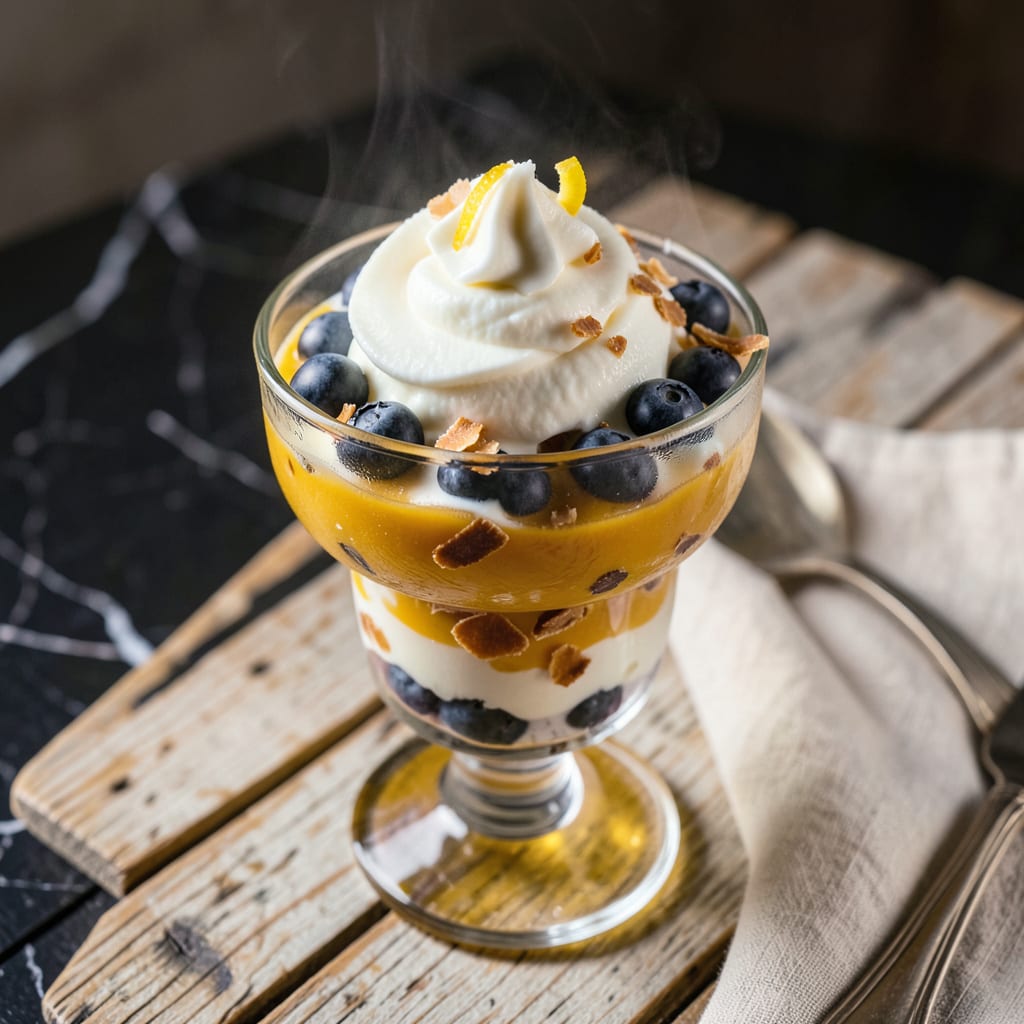
Yes, you can freeze coconut yogurt for up to 2 months, but the texture may become grainy or separate upon thawing. Stirring well after defrosting helps restore creaminess, though it’s best used in smoothies or baking rather than eaten plain.
Freezing coconut yogurt changes its structure because the water content forms ice crystals, which disrupt the smooth emulsion of fats and liquids. 🔥 This is why you’ll notice separation when it thaws—the coconut milk solids and water don’t reintegrate perfectly. I’ve found that full-fat versions hold up slightly better than low-fat, as the higher fat content acts as a stabilizer. For best results, freeze it in small portions so you only thaw what you need, minimizing repeated texture degradation.
💡 In This Article
- How Freezing Affects Coconut Yogurt Texture and Quality
- Best Ways to Freeze and Thaw Coconut Yogurt
How Freezing Affects Coconut Yogurt Texture and Quality
When coconut yogurt freezes, the water molecules form sharp ice crystals that physically break apart the delicate emulsion of coconut fats and liquids. 🔥 This is why thawed yogurt often looks separated or grainy—the ice disrupts the smooth structure that gives fresh yogurt its creamy mouthfeel.
The coconut milk solids, which normally stay suspended, clump together as the water freezes and expands.
Fat crystallization plays a huge role in texture changes. Coconut fat solidifies at temperatures below 76°F, so freezing causes the fats to form rigid structures. When thawed, these fats don’t always redistribute evenly, leaving a slightly waxy or uneven texture.
Full-fat versions (with 15-20% coconut fat) handle freezing better than low-fat because the extra fat acts as a buffer against ice crystal damage.
Probiotic survival is another key factor. Studies show that freezing reduces live cultures by 30-50%, though some strains remain viable. The rapid temperature drop shocks the bacteria, and ice crystals can rupture their cell walls. This means frozen coconut yogurt retains some probiotic benefits, but not at the same level as fresh.
The acidity (pH 4.2-4.6) helps protect some cultures during freezing.
Taste remains largely intact because the coconut’s natural sugars and fats are stable when frozen. However, you might notice a slight dulling of bright, fermented tanginess—that’s because some volatile aromatic compounds escape during freezing. The color may also lighten slightly as the emulsion breaks, but this doesn’t affect safety or basic flavor.
For comparison, dairy yogurt behaves similarly but often separates more dramatically because cow’s milk proteins (casein) are more sensitive to freezing than coconut’s plant-based proteins. The lack of lactose in coconut yogurt actually gives it a slight advantage in maintaining texture, though neither will be perfectly smooth after thawing.
What most people don’t realize is that the freezing process accelerates syneresis—the natural separation of whey (or in this case, coconut water) from the solids. This is why you’ll often see a watery layer on top after thawing. Stirring vigorously can temporarily recombine the mixture, but the structure won’t be as stable as fresh yogurt.
The nutritional profile stays nearly identical, with one exception: some B vitamins (particularly B12 if fortified) may degrade by 10-15% over 2 months of freezing. The fiber, minerals, and healthy fats remain completely intact, making frozen coconut yogurt still nutritious—just texturally different. ✨

Trained in classic French technique but raised on slow-cooked ribs and spicy rubs, she blends culinary skill with smoke and soul.
- Recipe for Boneless Pork Chops in Cast Iron Skillet: Sear and Baste to Juicy Perfection - October 3, 2026
- Recipe for Boneless Cross Rib Roast: Slow-Roasted Beef with Herb Crust - October 3, 2026
- Hamburgers in Sauce Recipe Crock Pot: Slow-Cooked Savory Delight - October 3, 2026