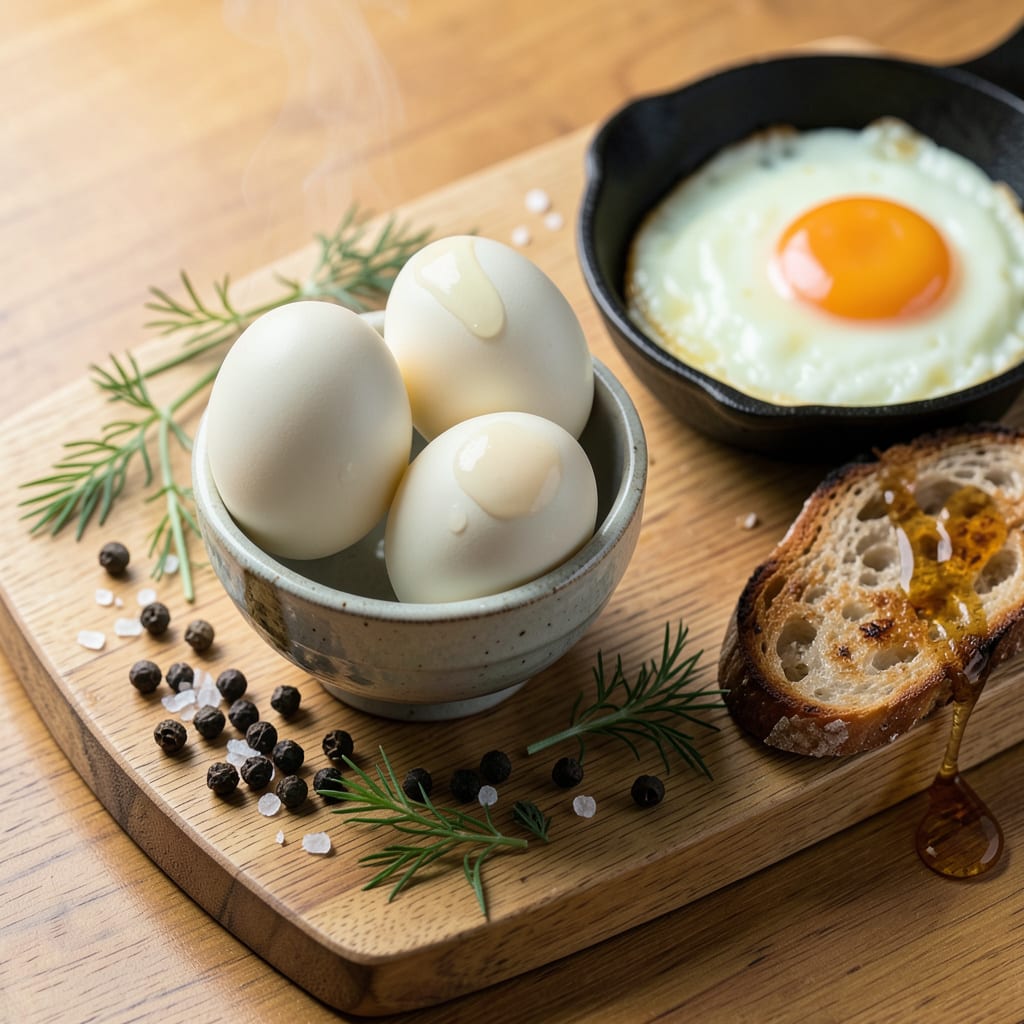
Yes, Silkie eggs are completely edible and safe to eat. They’re smaller than standard chicken eggs but rich in flavor, with a slightly creamier texture and a higher yolk-to-white ratio. Their unique taste makes them great for baking or frying.
These eggs come from Silkie chickens, a breed known for their distinctive fluffy feathers and gentle temperament. What sets their eggs apart is the higher yolk content, which gives them a richer, almost buttery quality compared to conventional eggs. I’ve found they work exceptionally well in recipes where you want a velvety texture, like custards or hollandaise sauce. 💛
Because Silkies often forage more than commercial breeds, their diet can influence the egg’s flavor profile. You might notice subtle earthy or herbal notes depending on what they’ve been eating. This makes them a favorite among chefs who appreciate nuanced ingredients.
💡 In This Article
- Why Silkie Eggs Taste Different Than Regular Chicken Eggs
- Best Ways to Cook and Use Silkie Eggs in Recipes
Why Silkie Eggs Taste Different Than Regular Chicken Eggs
The secret behind Silkie eggs’ unique flavor starts with their diet. Unlike commercial hens fed standardized grain mixes, Silkies are natural foragers—they peck at insects, seeds, and greens, which introduces subtle herbal and earthy notes to their eggs. Their free-ranging lifestyle means their diet varies seasonally, creating eggs with more complex flavors than mass-produced varieties.
The difference is similar to how pasture-raised eggs taste richer than conventional ones.
Genetics play a major role too. Silkies have a higher yolk-to-white ratio than standard breeds—about 35% yolk compared to 27% in typical eggs. This extra yolk contains more fat (5.5g per egg vs 4.8g in regular eggs) and nutrients, giving them a creamier mouthfeel and deeper flavor.
The yolks also appear darker orange due to higher carotenoid levels from their varied diet. 💛
What really surprises people is the texture. The whites are slightly thicker and more gelatinous when raw, which makes them ideal for custards or meringues that need structure. When cooked, they develop a velvety quality that’s particularly noticeable in scrambled eggs or omelets.
I’ve found they whip up faster than standard eggs due to their higher protein concentration (6.5g per egg compared to 6g in conventional eggs).
The shell itself tells part of the story. Silkie eggs are smaller (30-40g vs 50-60g for standard eggs) with a cream-colored, sometimes speckled shell. This size difference means you’ll need about 1.5 Silkie eggs to equal one large chicken egg in recipes.
Their shells are also slightly more porous, which can affect how flavors develop during cooking—especially when poaching or soft-boiling.
For baking, the higher fat content creates tenderer crumbs in cakes and richer pastries. I love using them in quiches where their custard-like quality really shines. The only adjustment needed is accounting for their smaller size—measure by weight rather than volume for best results.
Their unique composition makes them particularly good for emulsified sauces like mayonnaise or hollandaise, where the extra yolk creates a more stable, luxurious texture. ✨
One fascinating detail: Silkie hens produce eggs year-round but lay fewer than commercial breeds (about 100-120 eggs annually vs 250-300). This lower production means each egg gets more nutritional resources, contributing to their superior quality. The trade-off is their rarity—you’re more likely to find them at farmers markets than grocery stores.
From a chef’s perspective, their versatility is remarkable. They handle high heat beautifully—try frying them at medium-low (275°F) to appreciate their custardy yolks without overcooking. The flavor pairs exceptionally well with delicate herbs like chives or tarragon, where their natural richness can really stand out. 🌟

Trained in classic French technique but raised on slow-cooked ribs and spicy rubs, she blends culinary skill with smoke and soul.
- Recipe for French Pork Spread Gorton: Savory Gallic Flavors in a Spreadable Delight - October 3, 2026
- Recipe for Pan Fried: Golden Crust with Savory Depth - October 3, 2026
- Recipe For Fried Chicken In A Pressure Cooker: Crispy Golden Bites in Half the Time - October 3, 2026