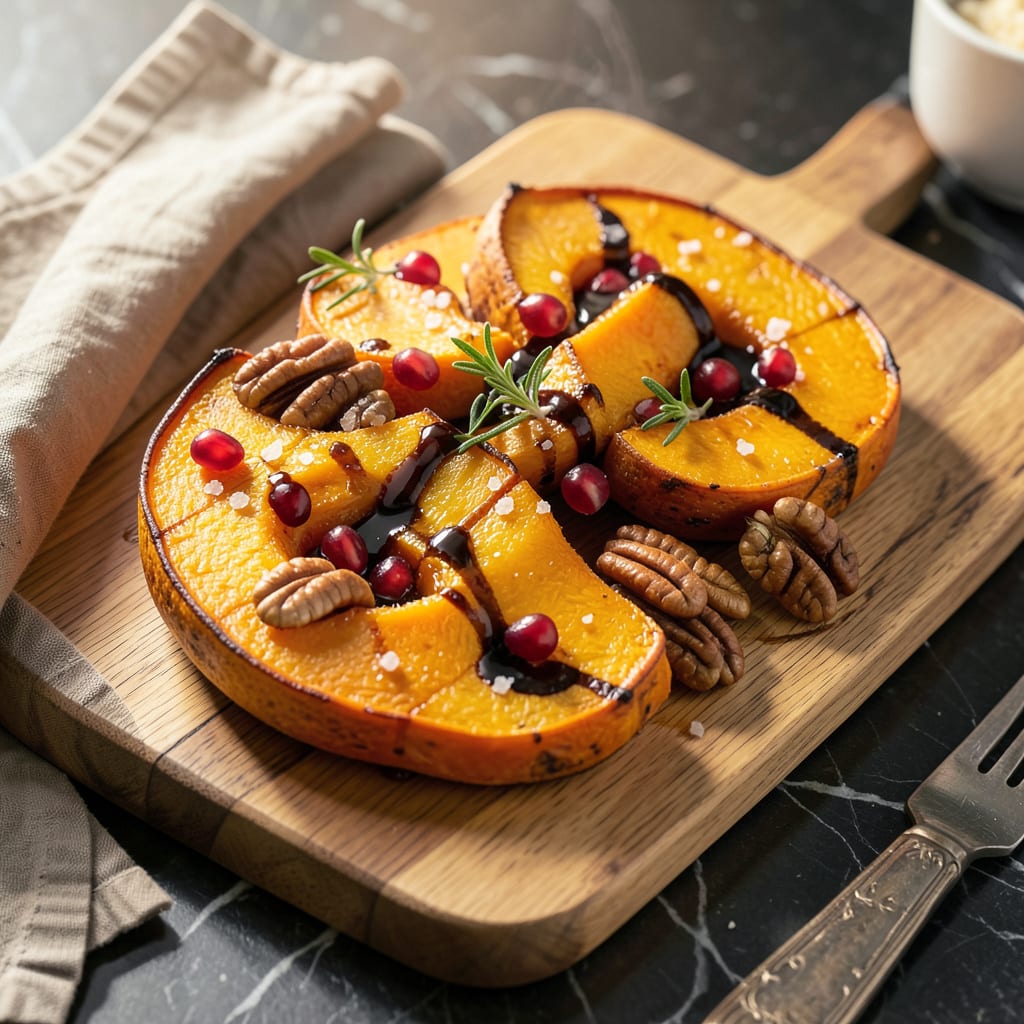
Yes, you can freeze roast pumpkin for up to 3 months. Cool it completely first, then store in airtight containers or freezer bags to preserve texture and flavor. Thaw in the fridge before reheating for best results.
I’ve found that freezing works beautifully for preserving that caramelized sweetness you get from roasting. 🔥 The key is removing all excess moisture before freezing—this prevents ice crystals from turning your pumpkin mushy when thawed. What most people don’t realize is that roasted pumpkin actually develops deeper flavor after freezing, similar to how tomatoes intensify when preserved. Just be sure to portion it into recipe-sized amounts so you’re not thawing more than you need.
💡 In This Article
- How Freezing Affects Roasted Pumpkin Texture and Flavor
- Step-by-Step Guide to Freezing and Reheating Roast Pumpkin
How Freezing Affects Roasted Pumpkin Texture and Flavor
When you freeze roasted pumpkin, the cell walls break down slightly during the process. This happens because water inside the pumpkin expands as it freezes, creating microscopic ice crystals.
The key factor is how quickly you freeze it—slow freezing in a regular freezer creates larger crystals that rupture more cell walls, while rapid freezing (like in a deep freeze at -18°C/0°F) produces smaller crystals with less damage. That’s why properly cooled pumpkin freezes better than warm. 🔥
The texture changes come from moisture redistribution. Roasted pumpkin contains about 90% water by weight, and freezing causes this water to separate from the flesh. When thawed, some moisture won’t reabsorb completely, which can make the pumpkin slightly softer.
I’ve found that varieties with denser flesh (like kabocha or butternut) hold up better than watery sugar pumpkins. The caramelized sugars from roasting actually help stabilize the texture during freezing.
Flavor concentration is the surprising benefit. Freezing breaks down some complex carbohydrates into simpler sugars, making the pumpkin taste sweeter after thawing. This is similar to how frozen grapes taste more intense than fresh ones. The Maillard reaction compounds from roasting also become more pronounced after freezing.
Just be aware that volatile aroma compounds (like those from spices) may diminish slightly over time in the freezer. ✨
Oxidation is another consideration. Pumpkin contains enzymes that can cause color changes during freezing. A quick blanch before roasting (or adding 1 tsp lemon juice per cup of pumpkin) helps preserve that vibrant orange hue.
The natural pectin in pumpkin also thickens slightly when frozen, which can actually improve its performance in soups and purees after thawing.
Here’s what most people miss: the freezing process actually makes some nutrients more bioavailable. The ice crystals rupture plant cell walls, releasing more beta-carotene (which your body converts to vitamin A) when you eat it later.
Studies show frozen pumpkin can retain up to 90% of its original vitamin content when properly stored, compared to only about 50% in canned versions. 💫
Pro tip: If you’re using the pumpkin for baking later, slightly under-roast it before freezing. The additional cooking time after thawing will bring it to perfect doneness while minimizing texture changes. I like to roast at 375°F for 20-25 minutes (instead of 30) when prepping for the freezer.

Trained in classic French technique but raised on slow-cooked ribs and spicy rubs, she blends culinary skill with smoke and soul.
- Recipe for Boneless Pork Chops in Cast Iron Skillet: Sear and Baste to Juicy Perfection - October 3, 2026
- Recipe for Boneless Cross Rib Roast: Slow-Roasted Beef with Herb Crust - October 3, 2026
- Hamburgers in Sauce Recipe Crock Pot: Slow-Cooked Savory Delight - October 3, 2026