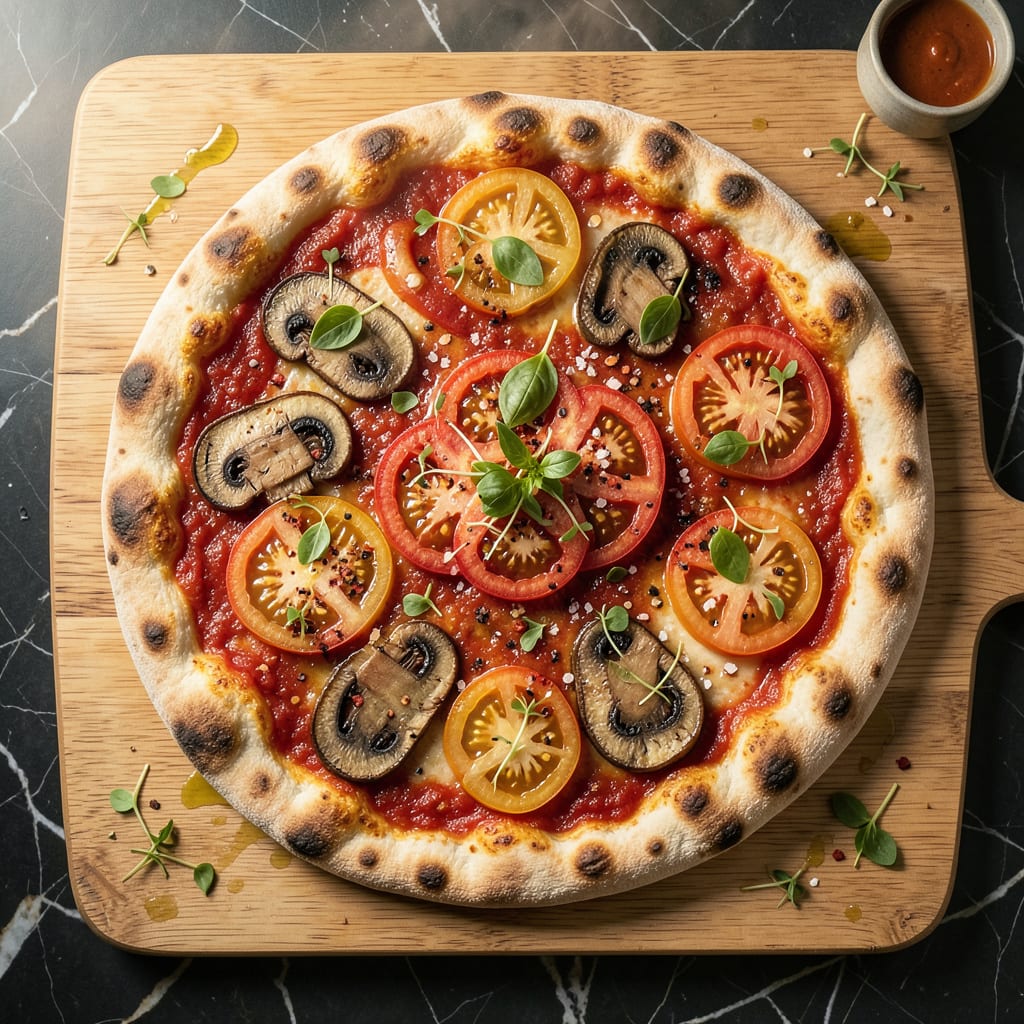
Absolutely! Cheese-free pizza can be just as delicious by focusing on flavorful sauces, fresh vegetables, savory meats, and creative toppings. Many global cuisines feature traditional cheeseless pizzas like Italy’s pizza bianca or pizza marinara.
I’ve spent years perfecting cheeseless pizzas, and the secret lies in balancing umami-rich ingredients like sun-dried tomatoes, olives, or cured meats. 🔥 These create that satisfying depth we often associate with cheese. What’s fascinating is how a drizzle of high-quality olive oil before baking mimics the richness of melted dairy, while roasted garlic or caramelized onions add natural sweetness. Traditional recipes prove this works—Naples’ original pizza marinara relies on just tomato, garlic, oregano, and olive oil for its iconic flavor.
Texture plays a huge role too. Crispy crusts with charred edges or soft focaccia bases provide contrast, while toppings like blistered shishito peppers or crispy prosciutto deliver the mouthfeel we crave. ✨ The key is layering flavors strategically—acidity from tomatoes, salt from cured meats, and freshness from herbs—so no single ingredient feels missing.
💡 In This Article
- Why Cheese-Free Pizza Works (And How to Perfect It)
- Top 5 Cheese-Free Pizza Recipes to Try Tonight
Why Cheese-Free Pizza Works (And How to Perfect It)
The magic of cheeseless pizza lies in umami layering—a scientific principle where multiple savory ingredients create depth. Tomatoes (rich in glutamates), mushrooms (packed with guanylates), and cured meats (loaded with inosinates) combine to trigger the same satisfaction receptors as cheese.
🔥 When these compounds interact, they amplify each other’s flavor impact exponentially, a phenomenon called “umami synergy” that Japanese researchers identified in the 1980s.
Fat distribution becomes your secret weapon. A generous drizzle of extra-virgin olive oil (about 2-3 tablespoons per pizza) before baking mimics cheese’s richness by coating the palate. The oil’s 75% oleic acid content creates a velvety mouthfeel similar to melted mozzarella.
For extra decadence, finish with a sprinkle of flaky sea salt and crushed red pepper—this enhances perceived creaminess through contrast, just like salted caramel tricks our taste buds.
Texture contrast prevents the “something’s missing” feeling. A blistered crust baked at 500°F+ for 6-8 minutes provides crispness, while toppings like roasted eggplant (soft), thinly sliced fennel (crunchy), and crispy pancetta (chewy) create a symphony of mouthfeels.
✨ The original pizza marinara from 18th-century Naples proves this works—its simple combo of San Marzano tomatoes, garlic, oregano, and olive oil on charred dough became a global classic.
Acidity cuts through richness and brightens flavors. A sauce with tomatoes (pH 4.3-4.9) or lemon-zested olive oil balances fatty toppings like nduja sausage or avocado slices. The science? Our saliva’s pH is ~6.8, so acidic foods (pH <5) create a pleasant "ping" on the tongue that makes dishes taste more complex.
This is why a squeeze of lemon or pickled vegetables elevates cheeseless pies from good to restaurant-worthy.
Salt placement matters more than you think. Sprinkling coarse salt directly on tomato sauce (not just the crust) enhances their natural sweetness through ion exchange. 🌟 The salt’s sodium ions suppress bitterness while magnesium ions in tomatoes create a rounded flavor.
This technique, called “salt bridging,” is why Roman pizza bianca—just olive oil, salt, and rosemary on dough—tastes so satisfying without any toppings.
Don’t underestimate aroma’s role in satisfaction. Volatile compounds from fresh basil (linalool), garlic (allicin), and toasted pine nuts (pyrazines) activate our olfactory receptors before the first bite. 💫 These aromatics create the illusion of richness by stimulating the same pleasure centers as melted cheese.
A sprinkle of smoked paprika or chili flakes adds another dimension by triggering subtle endorphin release.
The crust itself becomes a flavor carrier. Using 24-hour fermented dough develops lactic acid that adds tangy complexity, while whole wheat flour contributes nutty notes. Brushing the crust with garlic-infused oil before baking creates a flavorful barrier that prevents sogginess—just like the olio santo (holy oil) technique used in Puglia’s focaccia barese.
This attention to the base ensures every bite delivers satisfaction, not just the toppings.

Trained in classic French technique but raised on slow-cooked ribs and spicy rubs, she blends culinary skill with smoke and soul.
- Recipe for Boneless Pork Chops in Cast Iron Skillet: Sear and Baste to Juicy Perfection - October 3, 2026
- Recipe for Boneless Cross Rib Roast: Slow-Roasted Beef with Herb Crust - October 3, 2026
- Hamburgers in Sauce Recipe Crock Pot: Slow-Cooked Savory Delight - October 3, 2026