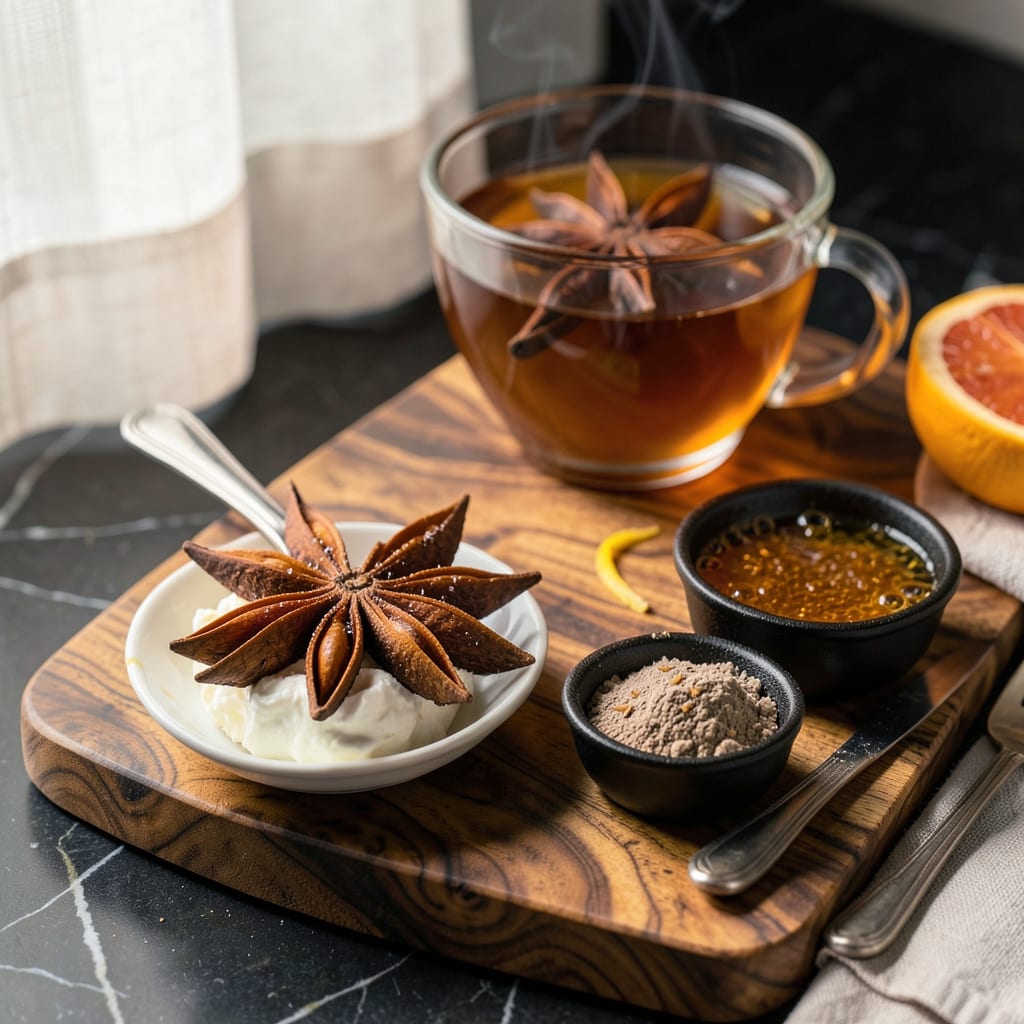
Yes, star anise is edible and commonly used whole or ground in cooking. Its strong licorice-like flavor enhances both sweet and savory dishes, but whole pods should be removed before eating due to their tough texture.
This aromatic spice packs a punch thanks to its high concentration of anethole, the same compound that gives fennel its distinctive taste. I love using it in pho broth or mulled wine because the heat coaxes out its complex flavors—warm, slightly peppery, with hints of clove. 🔥 What’s fascinating is how just one pod can transform an entire dish, but it’s crucial to handle it properly since the woody exterior isn’t meant to be consumed. Think of it like a bay leaf: essential for flavor, but not for eating.
💡 In This Article
- How Star Anise Works in Cooking and Flavor Pairings
- Safe Ways to Use Star Anise in Recipes and Beverages
How Star Anise Works in Cooking and Flavor Pairings
The magic of star anise comes from its anethole content—a compound that makes up about 85-90% of its essential oil. This organic molecule is what gives the spice its bold, licorice-like flavor and aroma. When heated, anethole becomes more volatile, releasing its signature sweet, slightly spicy notes that can permeate liquids and fats alike.
🔥 It’s why a single pod can infuse an entire pot of broth or syrup so effectively.
Heat transforms star anise in fascinating ways. Simmering it in liquids (like pho broth or mulled wine) at 180-200°F for 20-30 minutes extracts its flavors without bitterness. The woody pod acts like a slow-release capsule—its eight points create maximum surface area for infusion.
Compare this to ground star anise, which releases flavor instantly but can turn bitter if cooked too long. The difference is like steeping tea leaves versus using powdered matcha.
Star anise plays remarkably well with specific ingredients due to its chemical profile. The anethole bonds beautifully with cinnamon’s cinnamaldehyde (creating that classic chai warmth) and cuts through fatty meats like pork or duck. Citrus peels enhance its brightness, while dairy (think crème brûlée or rice pudding) softens its intensity.
I’ve found it balances five-spice powder by adding depth without overpowering the Sichuan peppercorn’s tingle.
Global cuisines leverage these pairings masterfully. Vietnamese pho uses it with charred onion and ginger to build umami depth. Chinese braised pork combines it with soy and rock sugar for caramelized richness. Even Italian biscotti sometimes includes it for an unexpected aniseed kick.
The key is dosage: 1 pod per 4 cups liquid for broths, ¼ teaspoon ground for baked goods. Too much, and it dominates; too little, and its magic disappears. ✨
What most home cooks miss is how star anise interacts with fat. In duck confit or pork belly, its oils dissolve into the rendered fat, creating a aromatic base layer. The same happens in ghee or butter when blooming it for desserts.
This fat-solubility is why it works so well in both savory and sweet applications—unlike water-soluble spices that only shine in liquids.
For the best results, toast whole pods in a dry pan over medium heat for 30-60 seconds until fragrant. This activates the essential oils before adding liquids. 💫 Ground star anise loses potency quickly, so buy whole and grind as needed.
Store pods in an airtight container away from light—they’ll keep their punch for up to a year.

Trained in classic French technique but raised on slow-cooked ribs and spicy rubs, she blends culinary skill with smoke and soul.
- Recipe for Boneless Pork Chops in Cast Iron Skillet: Sear and Baste to Juicy Perfection - October 3, 2026
- Recipe for Boneless Cross Rib Roast: Slow-Roasted Beef with Herb Crust - October 3, 2026
- Hamburgers in Sauce Recipe Crock Pot: Slow-Cooked Savory Delight - October 3, 2026