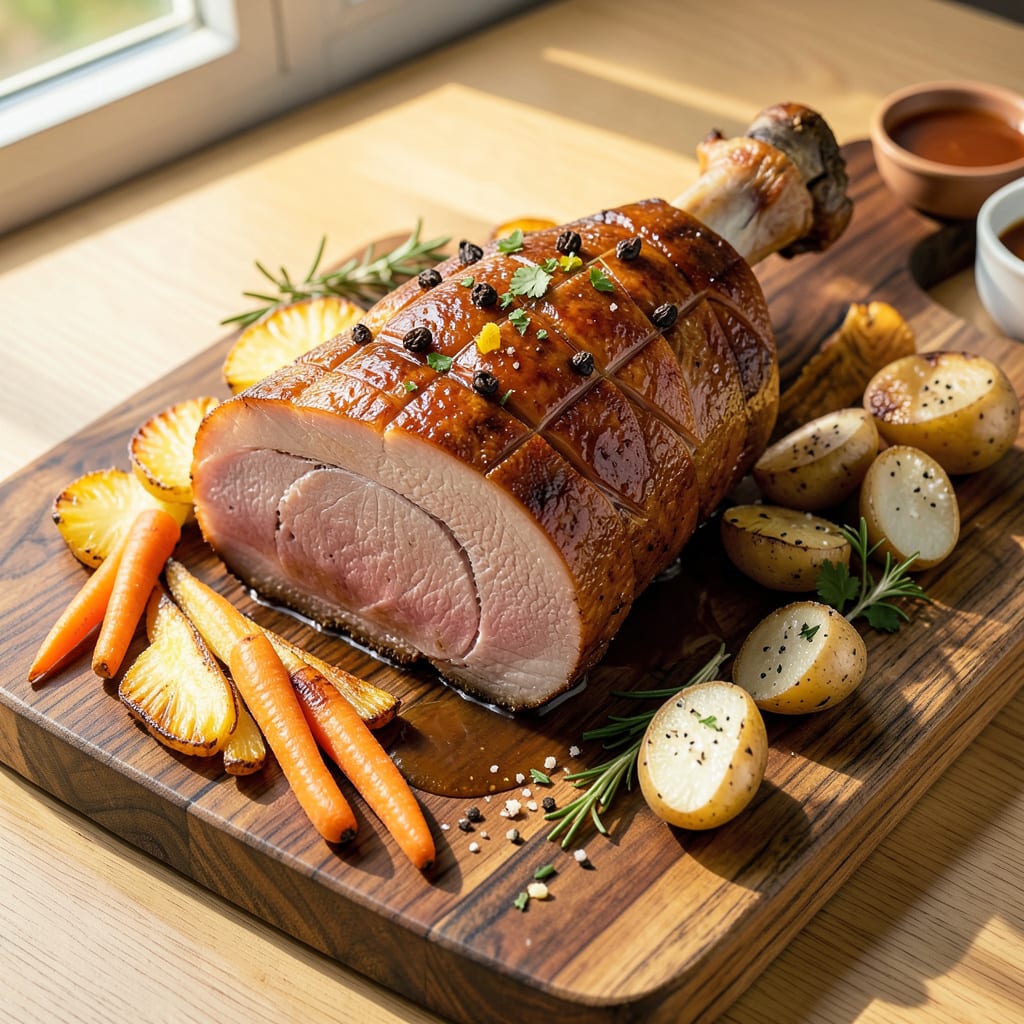
Yes, you can safely freeze a ham before cooking, whether it’s fresh, cured, or smoked. For best quality, wrap it tightly in moisture-proof packaging and freeze for up to 6 months. Thaw in the refrigerator before cooking to maintain texture and flavor.
As a pitmaster who’s handled countless hams, I’ve learned that freezing is one of the best ways to preserve quality when you’re not ready to cook. 🔥 The key lies in how you prepare it—double-wrapping in plastic wrap and foil creates an airtight barrier that locks in moisture and prevents freezer burn. What many don’t realize is that cured hams actually handle freezing better than fresh ones due to their salt content, which acts as a natural preservative. This method gives you flexibility for holiday planning or unexpected schedule changes without sacrificing taste.
💡 In This Article
- How Freezing Affects Ham Quality and Safety
- Step-by-Step Guide to Freezing and Thawing Ham Properly
How Freezing Affects Ham Quality and Safety
When you freeze ham, you’re essentially putting biological processes on pause. The cold temperatures (0°F or below) stop bacterial growth by halting enzyme activity that would normally break down proteins and fats. This preservation works because water inside the ham crystallizes, making it unavailable for microbial activity.
Fresh hams are more vulnerable to quality loss because their higher water content (about 70%) forms larger ice crystals that can rupture cell walls, while cured hams with 18-20% salt content maintain structure better during freezing.
The USDA confirms frozen ham remains safe indefinitely at 0°F, but quality peaks within 6 months for fresh and 12 months for cured varieties. The difference comes down to oxidation—fats in ham gradually develop rancidity even when frozen, though salt in cured hams acts as an antioxidant.
I’ve noticed smoked hams retain their flavor profile longest because the smoking process creates a protective layer that further slows oxidation. Texture changes are minimal if thawed properly, with most moisture loss occurring during cooking rather than freezing.
What surprises many is how freezing actually improves sliceability in cured hams. The crystallization process firms up the meat’s structure, making it easier to achieve those perfect paper-thin slices we all love. 🔥 However, fresh hams may develop a slightly mealier texture if frozen too long, as the ice crystals disrupt muscle fibers.
This is why professional pitmasters often vacuum-seal fresh hams before freezing—it reduces air exposure that accelerates freezer burn by 90%.
The thawing process is where most home cooks go wrong. Rapid temperature changes cause moisture to migrate to the surface, leading to that dreaded grayish liquid in your packaging. Refrigerator thawing (24-48 hours depending on size) allows for gradual temperature equalization, preserving cellular structure.
Cold water thawing (sealed bag in 40°F water, changed every 30 minutes) works faster but requires more attention to prevent partial cooking of the outer layers.
For those concerned about food safety, know that freezing kills some but not all pathogens. Parasites like trichinella are eliminated after 3 weeks at 5°F or below, but bacteria like listeria merely become dormant. This is why proper cooking temperatures (145°F for fresh, 165°F for leftovers) remain critical after thawing.
The freezing process buys you time but doesn’t replace proper handling—always cook thawed ham within 3-5 days for optimal safety and quality.
Pro tip from my pitmaster days: If you’re freezing a bone-in ham, wrap the exposed bone end with extra layers of plastic wrap. Bones conduct cold more efficiently and can develop freezer burn faster than the meat. This simple step prevents that unpleasant dry, cottony texture near the bone that ruins so many holiday hams.
✨

Trained in classic French technique but raised on slow-cooked ribs and spicy rubs, she blends culinary skill with smoke and soul.
- Recipe for Boneless Pork Chops in Cast Iron Skillet: Sear and Baste to Juicy Perfection - October 3, 2026
- Recipe for Boneless Cross Rib Roast: Slow-Roasted Beef with Herb Crust - October 3, 2026
- Hamburgers in Sauce Recipe Crock Pot: Slow-Cooked Savory Delight - October 3, 2026