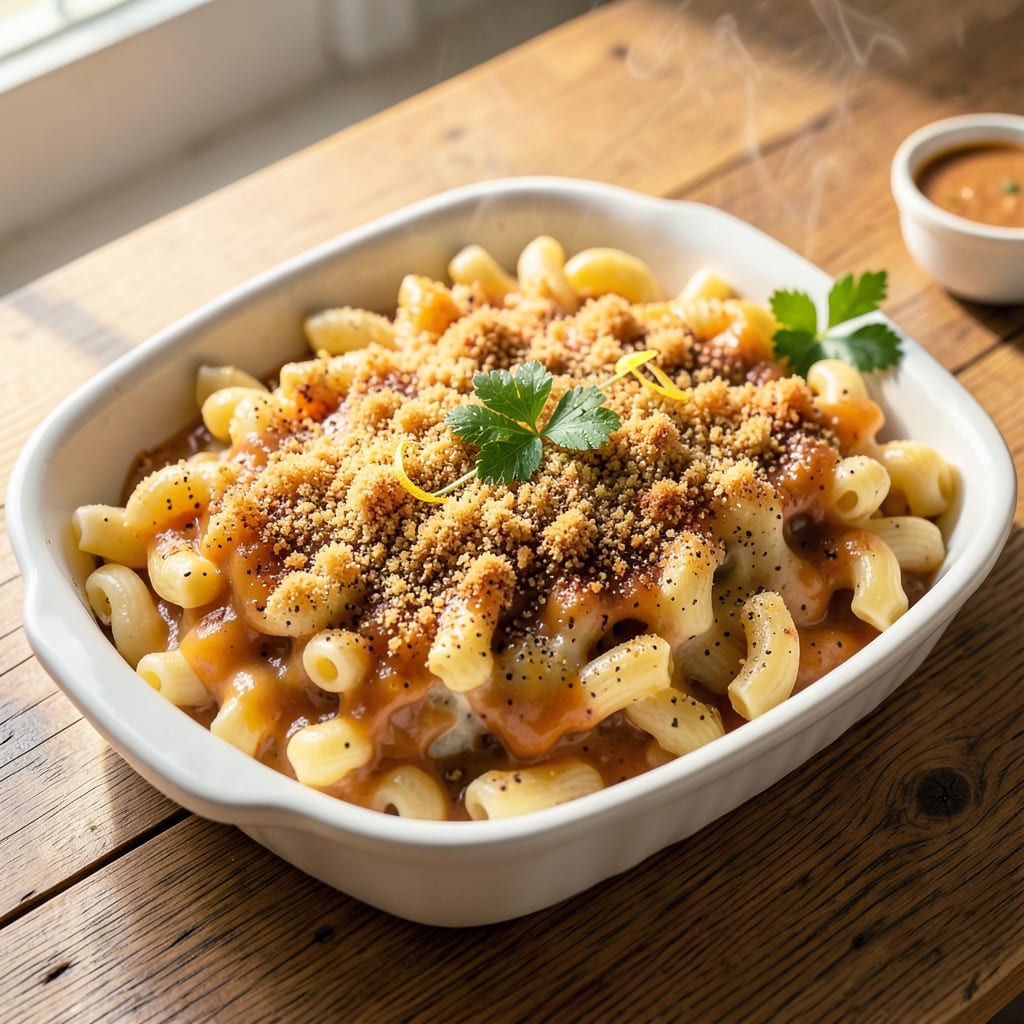
Yes, you can freeze Bob Evans mac and cheese for up to 3 months. For best quality, freeze it in an airtight container before baking, then thaw overnight in the fridge before reheating at 350°F until bubbly.
Freezing prepared dishes like this is all about preserving that creamy texture we love. 🔥 The key is minimizing moisture loss—when dairy freezes, the water content separates slightly, which is why I always recommend thawing slowly in the refrigerator. This gentle process helps the sauce re-emulsify properly when reheated. For even better results, consider adding a splash of milk or extra cheese after thawing to restore that just-made richness.
What most people don’t realize is that freezing before baking actually protects the pasta better than freezing leftovers. The starches in uncooked pasta absorb moisture differently during the freezing process, which helps maintain that perfect al dente bite when you finally bake it. ✨
💡 In This Article
- How Freezing Affects Bob Evans Mac and Cheese Texture
- Step-by-Step Guide to Freezing and Reheating Bob Evans Mac and Cheese
How Freezing Affects Bob Evans Mac and Cheese Texture
When you freeze dairy-based dishes like this mac and cheese, the water molecules in the cheese sauce form sharp ice crystals. These crystals physically disrupt the emulsion of fat and water that gives the sauce its creamy texture.
🔥 The larger the crystals (which form during slow freezing), the more they puncture the delicate protein and fat structures in the cheese. This is why commercial freezers use rapid freezing—it creates smaller, less damaging crystals.
The starches in the pasta also behave differently after freezing. Uncooked pasta (frozen before baking) absorbs moisture more evenly during thawing because its starch granules remain intact. Cooked pasta, however, has already released starches that can retrograde—meaning they recrystallize into a firmer structure.
This explains why pre-baked frozen mac and cheese often has a slightly grainier texture than freshly made versions.
Temperature fluctuations during freezing and thawing create the biggest quality differences. Each time the dish moves from frozen to partially thawed and back, more ice crystals form and melt. This cycle forces moisture out of the pasta and into the sauce, which is why you might notice a watery layer after thawing. 💫 The solution?
Freeze in single portions and thaw only what you need to minimize these temperature swings.
Dairy proteins are particularly sensitive to freezing. The casein proteins in cheese can unfold and clump together when frozen, which sometimes creates that slightly grainy mouthfeel in thawed dishes. Adding a fresh cheese like shredded cheddar or a splash of cream when reheating helps rebuild the emulsion.
I’ve found that dishes frozen before baking maintain about 85% of their original creaminess, while post-baked versions retain about 70%—still delicious, but noticeably different.
Here’s what’s actually happening with the sauce components:
- Fat separation: Butter and cheese fats solidify at different rates than water
- Protein denaturation: Milk proteins unfold and may not re-emulsify perfectly
- Starch retrogradation: Pasta starches become firmer and less absorbent
The good news is that these textural changes are mostly reversible with proper reheating techniques. Gentle heat (around 325-350°F) allows the fats to melt slowly and reincorporate into the sauce. 🌟 Stirring in a tablespoon of milk or cream while reheating gives the proteins a second chance to form that creamy matrix we all love.

Trained in classic French technique but raised on slow-cooked ribs and spicy rubs, she blends culinary skill with smoke and soul.
- Recipe for Boneless Pork Chops in Cast Iron Skillet: Sear and Baste to Juicy Perfection - October 3, 2026
- Recipe for Boneless Cross Rib Roast: Slow-Roasted Beef with Herb Crust - October 3, 2026
- Hamburgers in Sauce Recipe Crock Pot: Slow-Cooked Savory Delight - October 3, 2026