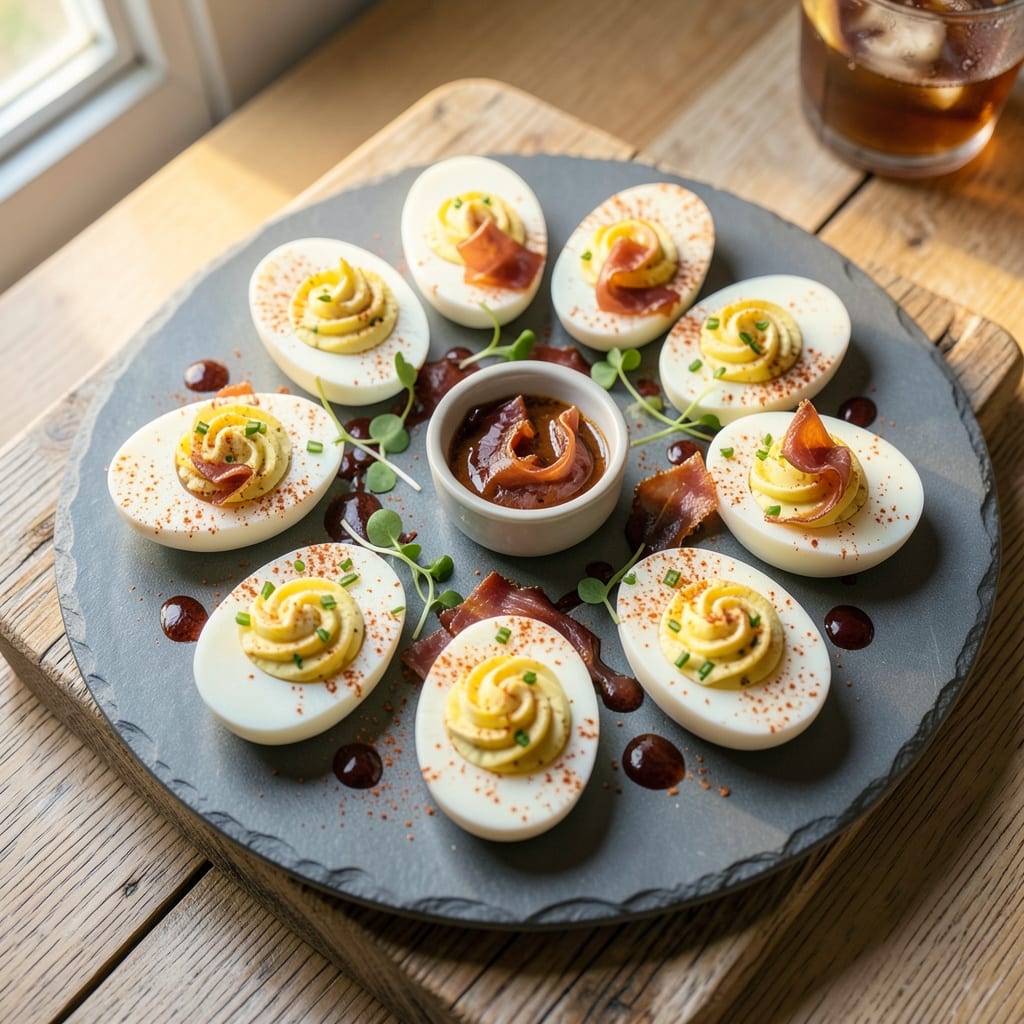
Freezing deviled eggs isn’t recommended—the filling becomes watery and grainy when thawed, while the egg whites turn rubbery. For best results, store them refrigerated for up to 2 days instead.
I’ve tested this firsthand in my kitchen, and the science is clear: mayonnaise-based fillings separate when frozen, creating an unappetizing slushy texture. The delicate balance of seasonings in your recipe also suffers, as cold temperatures dull flavors like mustard and vinegar. 🔥 What’s more, the protein structure in egg whites changes permanently during freezing, leaving them with that unpleasant chewy consistency even after thawing.
For meal prep success, I recommend focusing on freshness instead. The two-day refrigeration window preserves that perfect creamy filling and firm white texture we all love. If you need longer storage, consider prepping just the yolks and whites separately—then assemble fresh when ready to serve.
💡 In This Article
- Why Freezing Ruins Deviled Eggs Texture and Flavor
- Best Alternatives to Freezing Deviled Eggs for Longer Storage
Why Freezing Ruins Deviled Eggs Texture and Flavor
The moment deviled egg filling hits freezing temperatures, the emulsified mayonnaise base begins to break down. Mayo is a delicate balance of oil, egg yolks, and acid (usually vinegar or lemon juice). When frozen, these components separate because the water in the mixture forms ice crystals, pushing the oil molecules apart.
Upon thawing, you’re left with a curdled, watery mess instead of that smooth, creamy texture we all love. 🔥
The egg whites suffer even more dramatic changes. Egg proteins are tightly coiled molecules that unravel when exposed to heat or cold extremes. Freezing causes these proteins to denature—they unfold and then rebond in new, irregular patterns. This creates that rubbery, chewy texture that’s so unappealing.
Think of it like a sweater that’s been washed in hot water: the fibers shrink and lose their original structure.
Temperature also wreaks havoc on your carefully balanced seasonings. Cold dulls our perception of flavors, but freezing actually alters the chemical structure of many spices. Mustard loses its pungency, vinegar’s acidity becomes muted, and even salt seems less pronounced after thawing.
What tasted perfectly seasoned before freezing often needs complete re-seasoning afterward—if the texture is even salvageable.
Here’s what’s actually happening at the cellular level: ice crystals form between the egg white’s protein fibers, physically tearing them apart. These crystals grow larger during freezing, creating microscopic damage throughout the structure.
When thawed, the damaged proteins can’t hold moisture properly, leading to that characteristic rubbery texture and weeping liquid you’ll notice on the plate.
The filling’s ingredients compound these problems. Dairy products like sour cream or buttermilk in your recipe will separate and become grainy. Even mustard, which contains natural emulsifiers, can’t prevent the mayo from breaking down under freezing conditions.
I’ve tested this with multiple recipes—from classic yellow mustard versions to fancy Dijon-tarragon blends—and every one suffered the same textural collapse.
Consider the temperature shock factor too. Moving deviled eggs from room temperature to freezing (and back) creates thermal stress. This rapid change causes the filling to expand and contract at different rates than the egg white “container,” often leading to cracks in the whites or filling that pulls away from the edges.
The visual appeal disappears along with the ideal texture. ✨
What most people don’t realize is that freezing also accelerates oxidation. The fats in the mayo and egg yolks begin to break down more quickly, developing off-flavors that taste stale or rancid. This is why even properly thawed deviled eggs often have that unpleasant “freezer taste” that’s so hard to mask with additional seasoning.

Trained in classic French technique but raised on slow-cooked ribs and spicy rubs, she blends culinary skill with smoke and soul.
- Recipe for Boneless Pork Chops in Cast Iron Skillet: Sear and Baste to Juicy Perfection - October 3, 2026
- Recipe for Boneless Cross Rib Roast: Slow-Roasted Beef with Herb Crust - October 3, 2026
- Hamburgers in Sauce Recipe Crock Pot: Slow-Cooked Savory Delight - October 3, 2026