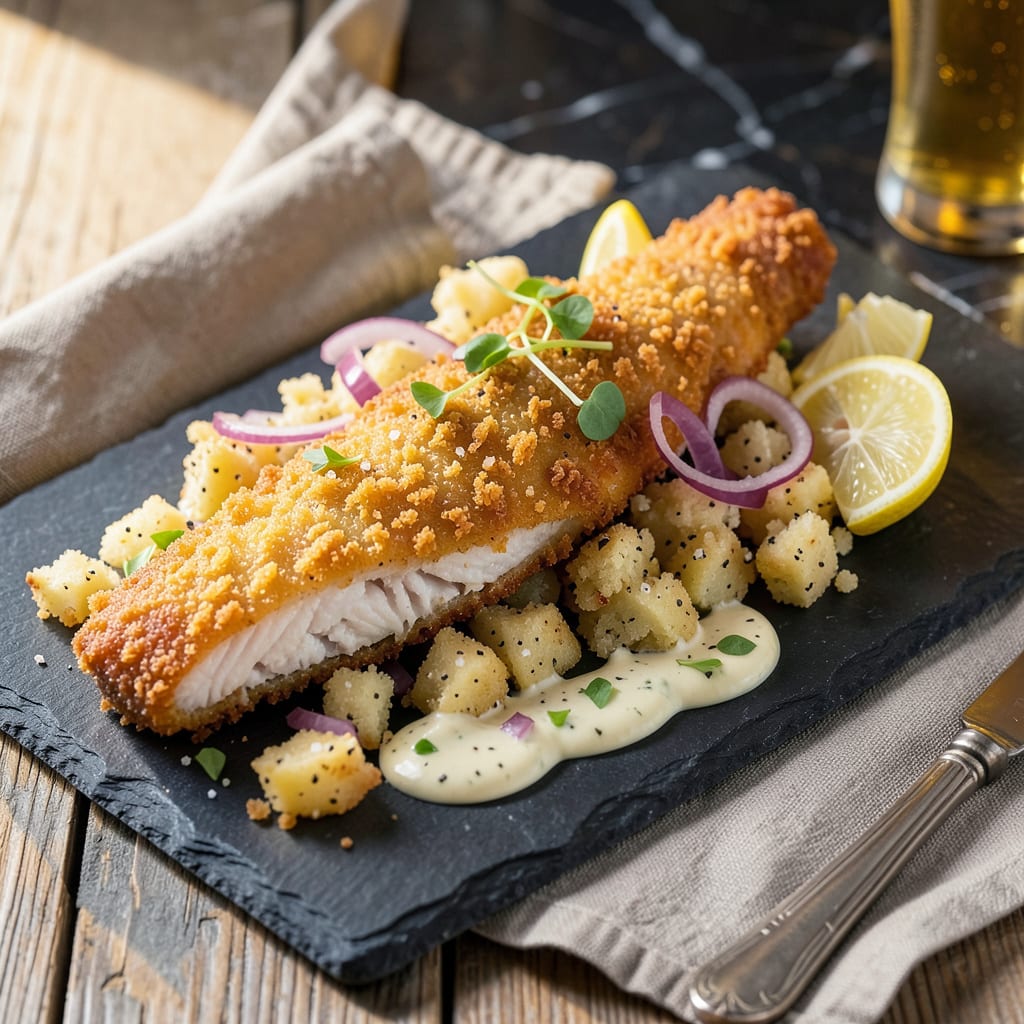
Yes, you can fry frozen fish, but it requires proper technique to avoid uneven cooking and excessive oil absorption. Thawing slightly or using a lower initial temperature helps achieve crispy, fully cooked results.
I’ve found that frozen fish straight from the freezer can actually turn out golden and crispy—if you handle the process carefully. The key is managing the moisture content, since ice crystals can cause oil to splatter and create a soggy coating. 🔥 My pro tip? Pat the fillets dry thoroughly before breading, and consider a two-stage frying method (starting at 325°F then finishing at 375°F) to ensure even cooking without burning the exterior.
What most home cooks overlook is how frozen fish behaves differently than fresh. The sudden temperature change can make the proteins contract violently, pushing out moisture that then gets absorbed by the breading. That’s why I always recommend either a 10-minute partial thaw in cold water or using a rice flour-based batter—it creates a more durable crust that stands up to the moisture release.
💡 In This Article
- Why Frying Frozen Fish Requires Special Handling
- Step-by-Step Guide to Frying Frozen Fish Safely
Why Frying Frozen Fish Requires Special Handling
When frozen fish hits hot oil, the ice crystals inside instantly vaporize—creating microscopic steam explosions within the fillet. This rapid moisture release is what causes dangerous oil splatter and can lead to a soggy, unevenly cooked result.
The science here involves thermal shock: frozen proteins contract violently when exposed to sudden heat, pushing out moisture that then gets trapped between the fish and its breading. 🔥
Temperature management becomes critical because frozen fish starts at 0°F while hot oil sits around 350-375°F. This 375°F temperature differential means the exterior cooks much faster than the interior. Without proper technique, you’ll end up with a burnt crust and raw center. The solution?
Start with oil at 325°F for the first 2-3 minutes, then increase to 375°F to finish—this gradual approach gives the heat time to penetrate evenly.
The ice crystals themselves also create structural problems. As they melt, they leave behind tiny pockets in the fish flesh that can absorb 30-50% more oil than properly thawed fish.
That’s why professional kitchens often use a rice flour or cornstarch-based batter—these create a more rigid crust that resists oil absorption better than traditional wheat flour. The difference is measurable: rice flour coatings absorb about 20% less oil while maintaining crispiness. ✨
Another hidden factor is the protein denaturation process. In frozen fish, the proteins are in a semi-crystallized state. When heated too quickly, they contract unevenly, creating a rubbery texture. This is particularly noticeable in lean white fish like cod or haddock. The fix?
Either give the fish a 10-minute cold water bath to partially thaw, or use a buttermilk marinade before breading—the acid helps relax the proteins for a more tender result.
What most home cooks don’t realize is that frozen fish actually has a higher surface moisture content than fresh. Those ice crystals melt into water that then gets trapped against the fish. Without thorough patting dry (I use three layers of paper towels), that moisture creates steam pockets that prevent proper browning.
The pros know: dry surface = crispy crust. This is why I always recommend pressing the fillets between towels for at least 2 minutes before breading. 💫
Even the type of freezer matters. Fish frozen in blast freezers (like commercial operations use) forms smaller ice crystals that cause less cellular damage than home freezers. If you’re working with home-frozen fish, expect to need 1-2 extra minutes of cooking time to compensate for the larger ice crystals that form in slower freezing processes.
The texture difference is noticeable—commercial frozen fish often maintains better flakiness post-fry.
The oil choice plays a bigger role than you might think. With frozen fish, you need an oil with a high smoke point (peanut oil at 450°F or avocado oil at 520°F) to handle the extended cooking time without breaking down.
Canola oil (smoke point 400°F) works in a pinch, but you’ll need to monitor the temperature more closely to prevent off-flavors from developing. ⚡

Trained in classic French technique but raised on slow-cooked ribs and spicy rubs, she blends culinary skill with smoke and soul.
- Recipe for Boneless Pork Chops in Cast Iron Skillet: Sear and Baste to Juicy Perfection - October 3, 2026
- Recipe for Boneless Cross Rib Roast: Slow-Roasted Beef with Herb Crust - October 3, 2026
- Hamburgers in Sauce Recipe Crock Pot: Slow-Cooked Savory Delight - October 3, 2026