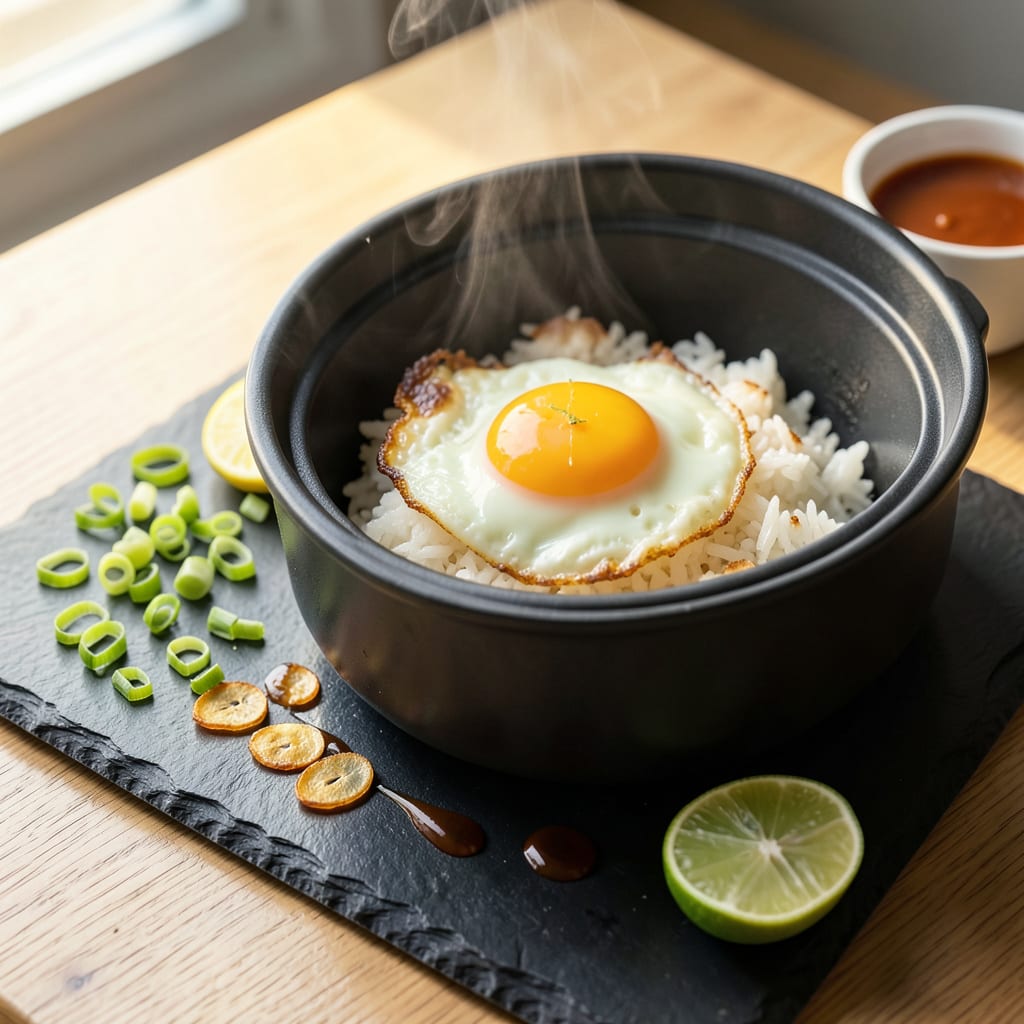
Most rice cookers aren’t designed for traditional frying due to temperature limits, but you can sauté or lightly pan-fry small amounts of food using the cooker’s non-stick pot on its highest setting. Avoid deep-frying or using excessive oil to prevent damage or fire hazards.
I’ve tested this method myself, and it’s perfect for quick meals when you’re short on stovetop space. 🔥 The key is using minimal oil—just enough to coat the bottom—and sticking to small, uniform pieces like diced onions or thin chicken strips. Think of it as a gentle sear rather than a full fry, since rice cookers max out around 212°F (unlike skillets that can hit 350°F+). This makes them safer but limits crispiness.
For best results, preheat the pot for 3-5 minutes before adding food, and stir frequently to prevent sticking. ✨ I’ve found tofu and mushrooms work especially well here, absorbing flavors while developing a light golden crust. Just remember: this technique is about convenience, not replicating deep-fried textures.
💡 In This Article
- How Rice Cooker Temperature Limits Affect Frying
- Safe Foods to Cook in a Rice Cooker Like Frying
How Rice Cooker Temperature Limits Affect Frying
Rice cookers operate on a fundamentally different heating principle than stovetop pans. Most models use a simple thermostat that cycles between 180-212°F—the boiling point of water—because their primary job is to simmer rice, not sear food.
🔥 This is why you’ll never achieve the 350-400°F range needed for proper frying, where the Maillard reaction creates that golden-brown crust we crave.
The heating element in rice cookers is typically embedded in the base, creating indirect heat that’s gentler and more diffuse. Compare this to a cast-iron skillet that can reach 500°F+ with direct flame contact.
When you attempt to “fry” in a rice cooker, you’re essentially steaming with a bit of oil—great for softening vegetables but incapable of producing crispy textures. The non-stick coating also limits how aggressive you can be with stirring or scraping.
Safety becomes a major concern when pushing these limits. Most rice cookers lack proper ventilation for oil vapors, and their automatic shut-off features aren’t designed for frying conditions. I’ve seen cases where excessive oil (more than 1-2 tablespoons) causes dangerous splattering when it hits the relatively cool sides of the pot.
The confined space also means heat builds up differently than on an open stovetop.
There’s also the issue of thermal mass. A heavy skillet retains and distributes heat evenly, while rice cooker pots are usually thin aluminum designed for quick heat transfer to water.
This means temperature fluctuations are more dramatic—you might start with a decent sizzle, but the moment you add food, the temperature can drop 50°F or more within seconds. ✨
The one advantage? Precise temperature control prevents burning. I’ve successfully “sautéed” garlic and ginger in my rice cooker without the bitter char that sometimes happens on high stovetop heat. The tradeoff is time—what takes 3-5 minutes in a wok might require 10-15 minutes in a rice cooker to develop similar (though milder) flavors.
For context, dedicated air fryers operate at 350-400°F with rapid air circulation, while deep fryers maintain 325-375°F oil temperatures. A rice cooker simply can’t compete with these tools for frying tasks.
However, for gentle cooking methods that bridge sautéing and steaming, they offer a surprisingly versatile alternative—especially for small batches where you want to minimize cleanup.

Trained in classic French technique but raised on slow-cooked ribs and spicy rubs, she blends culinary skill with smoke and soul.
- Recipe for Boneless Pork Chops in Cast Iron Skillet: Sear and Baste to Juicy Perfection - October 3, 2026
- Recipe for Boneless Cross Rib Roast: Slow-Roasted Beef with Herb Crust - October 3, 2026
- Hamburgers in Sauce Recipe Crock Pot: Slow-Cooked Savory Delight - October 3, 2026