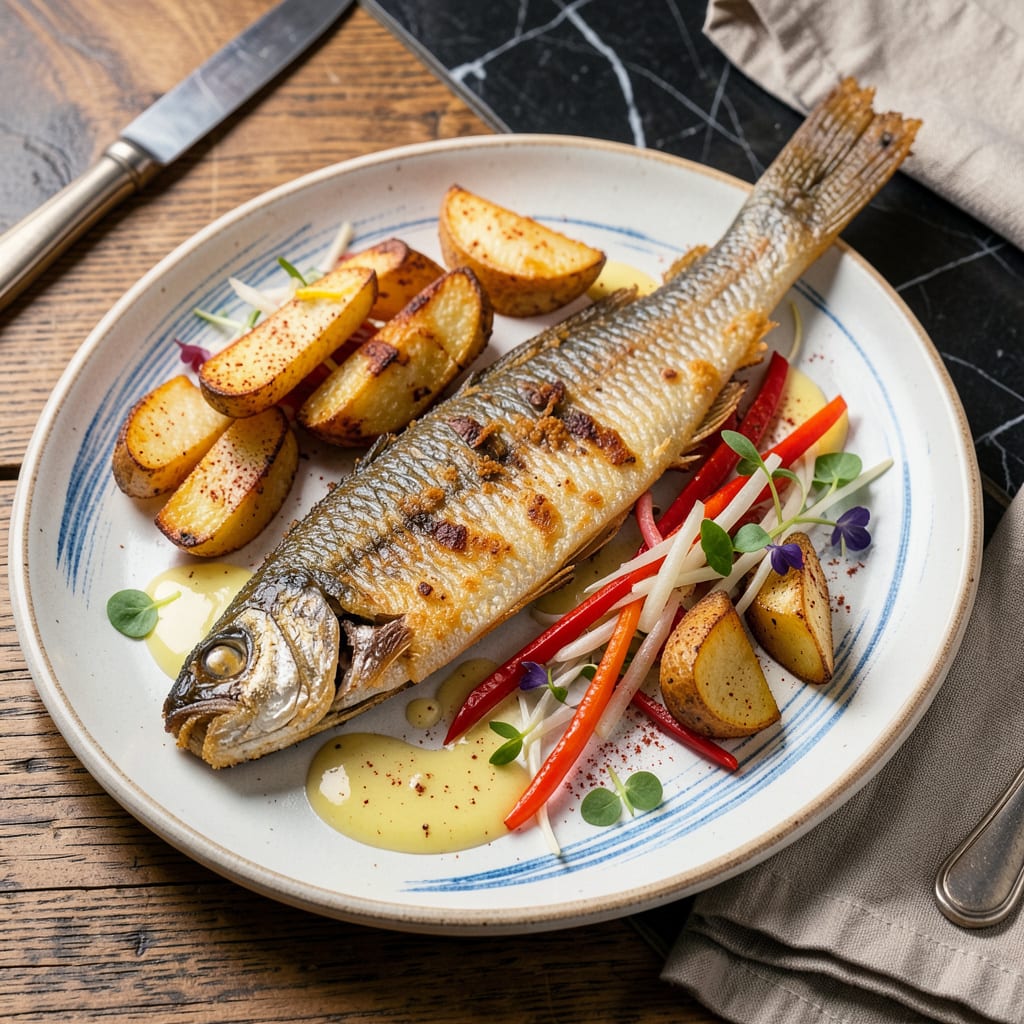
Yes, pollock is excellent for frying thanks to its mild flavor and firm yet flaky texture. It holds up well to high heat, making it ideal for pan-frying, deep-frying, or air-frying with a crispy, golden crust.
I’ve found pollock to be one of the most forgiving fish for home frying because its lean composition absorbs coatings beautifully without becoming greasy. 🔥 The secret lies in its natural moisture content—just enough to keep the flesh tender while the exterior achieves that coveted crunch. Whether you’re making classic fish and chips or experimenting with spiced cornmeal crusts, pollock maintains its shape better than many other white fish varieties.
What really sets pollock apart is its ability to handle different frying methods equally well. From quick pan-searing with butter to deep-frying in peanut oil, it consistently delivers that perfect balance of crispy exterior and moist interior. I always recommend patting the fillets extra dry before coating to maximize crunch potential.
💡 In This Article
- Why Pollock Fish Is Perfect for Frying
- Step-by-Step Guide to Frying Pollock Fish at Home
Why Pollock Fish Is Perfect for Frying
Pollock’s cellular structure makes it a frying superstar. Unlike oily fish that can become greasy, pollock has a lean composition with just 1-2% fat content. This low oil content means it absorbs coatings evenly while maintaining its shape during high-heat cooking.
The muscle fibers are arranged in short, tight bundles that resist breaking apart when agitated in hot oil—a critical advantage over more delicate fish like tilapia.
The protein matrix in pollock is particularly stable at frying temperatures. When heated to 350-375°F, the collagen in its connective tissue contracts uniformly, creating that perfect flaky texture we crave.
🔥 Compare this to cod, which has slightly larger flakes that can separate too easily, or haddock with its firmer texture that sometimes resists crispy coatings. Pollock hits the sweet spot between structural integrity and tenderness.
What most home cooks don’t realize is that pollock’s natural moisture content (about 80% water) creates the ideal environment for crispy crust formation. As the surface moisture evaporates during frying, it leaves behind a perfectly dry surface for coatings to adhere to.
This is why pollock achieves that restaurant-quality crunch without requiring professional equipment—your home kitchen can produce results just as impressive.
The flavor profile plays a crucial role too. Pollock’s mild, slightly sweet taste with just a hint of brininess makes it the perfect canvas for various coatings and seasonings. Unlike stronger-flavored fish that compete with breading, pollock lets the crispy exterior shine while still delivering satisfying fish flavor.
I’ve found it pairs exceptionally well with everything from classic beer batter to panko-crusted preparations.
Here’s what’s actually happening at the molecular level during frying: The Maillard reaction between the fish’s proteins and sugars creates hundreds of new flavor compounds, while the starches in your coating caramelize to form that golden crust.
Pollock’s neutral pH (around 6.8-7.0) provides the perfect chemical environment for these reactions to occur optimally without any bitter or off flavors developing.
For those watching their diet, pollock offers another advantage: it absorbs about 20-30% less oil during frying compared to fattier fish. This means you get all the crispy satisfaction with fewer calories. The flesh also maintains its white color beautifully when cooked, making for an appealing presentation that’s hard to achieve with darker-fleshed fish.
One pro tip I’ve learned from years of frying pollock: the ideal thickness for fillets is 3/4 to 1 inch. This allows for even cooking—just 3-4 minutes per side in 375°F oil—while preventing the center from drying out before the exterior crisps.
✨ Thinner pieces risk overcooking, while thicker ones may not cook through evenly before the coating burns.

Trained in classic French technique but raised on slow-cooked ribs and spicy rubs, she blends culinary skill with smoke and soul.
- Recipe for Boneless Pork Chops in Cast Iron Skillet: Sear and Baste to Juicy Perfection - October 3, 2026
- Recipe for Boneless Cross Rib Roast: Slow-Roasted Beef with Herb Crust - October 3, 2026
- Hamburgers in Sauce Recipe Crock Pot: Slow-Cooked Savory Delight - October 3, 2026