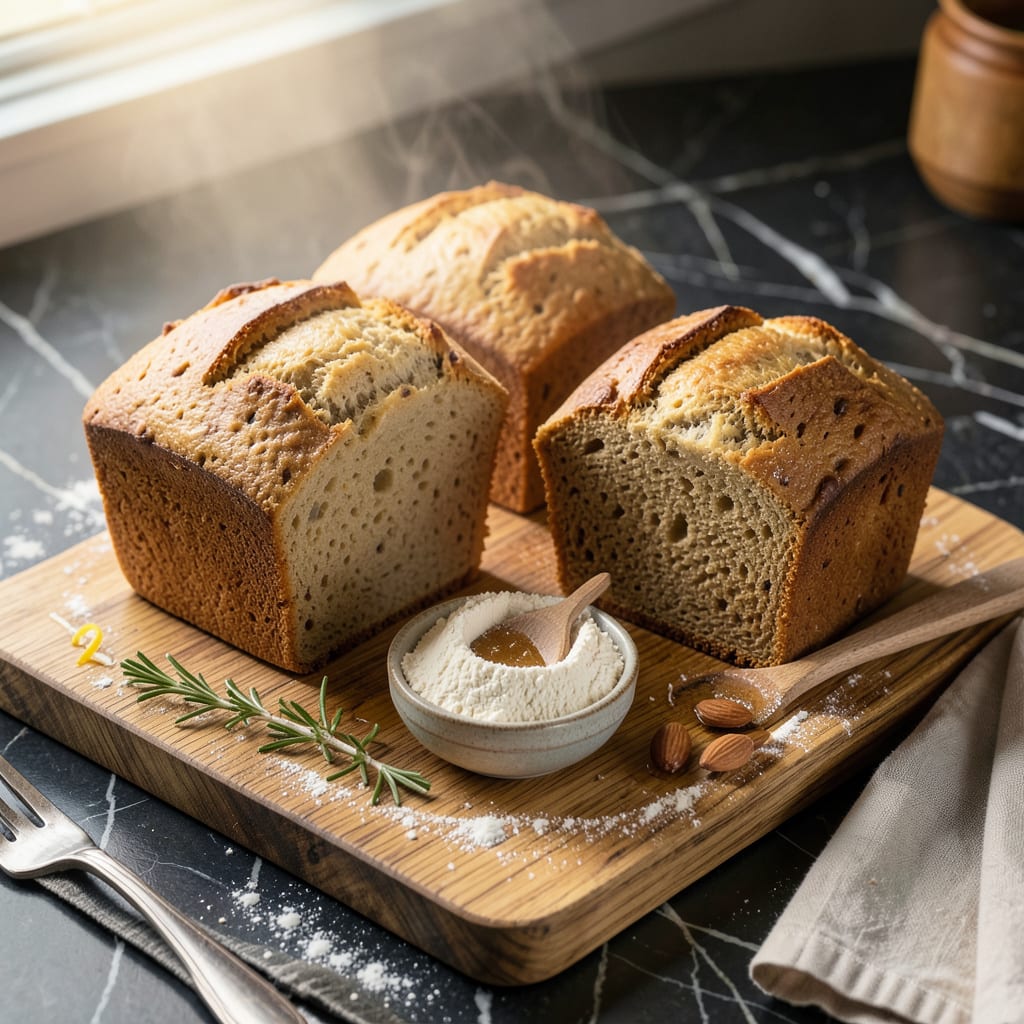
Yes, you can mix almond flour with regular flour to boost nutrition and texture. Start with a 1:3 ratio (almond to regular) for best results, as almond flour lacks gluten and absorbs moisture differently. Adjust liquids and leavening agents as needed for optimal structure.
I’ve found this blend particularly effective when you want to add richness without sacrificing structure. The natural oils in almond flour create a tender crumb, while the gluten in regular flour maintains elasticity. Think of it as a culinary compromise—perfect for muffins, pancakes, or pie crusts where you crave both nuttiness and lift. Just remember: almond flour browns faster, so watch your baking time closely. 🔥
What makes this combo special is its versatility across dietary needs. Whether you’re cutting carbs or just experimenting with flavors, this ratio gives you room to play. I often add an extra egg or 1/2 teaspoon xanthan gum when working with higher almond flour percentages to compensate for the missing gluten. ✨
💡 In This Article
- How Almond and Regular Flour Interact in Baking
- Best Recipes and Ratios for Almond-Regular Flour Blends
How Almond and Regular Flour Interact in Baking
When you combine almond flour with regular flour, you’re essentially merging two completely different baking systems. Regular flour contains 10-12% protein (mostly glutenin and gliadin) that forms elastic gluten networks when hydrated. Almond flour, on the other hand, is gluten-free and composed primarily of ground almonds with 50-60% fat content.
This fat interferes with gluten development while adding richness and moisture retention. 🔥
The moisture absorption rates tell the real story. Regular flour absorbs about 60-65% of its weight in water, while almond flour can soak up 120-150% due to its fine particle size and oil content.
This disparity explains why recipes with higher almond flour percentages often feel dense or gummy—the excess moisture isn’t properly bound without gluten’s structural support. The solution? Reduce liquids by 15-20% when substituting more than 25% almond flour.
Texture changes become apparent at different ratios. At a 1:4 ratio (almond to regular), you’ll notice a slightly tender crumb with enhanced browning from almond flour’s natural sugars. Push this to 1:2, and the fat content starts inhibiting gluten formation, creating a cake-like density perfect for brownies or quick breads.
Beyond 1:1, you’re entering gluten-free territory where binders like eggs or xanthan gum become essential to prevent crumbling.
The protein-fat balance also affects browning reactions. Almond flour’s high fat content (50-60%) promotes Maillard browning at lower temperatures (325°F vs 350°F for regular flour), which is why almond-heavy baked goods develop a golden crust faster. This same fat content also shortens gluten strands, creating that coveted “melt-in-your-mouth” quality in cookies and pie crusts. ✨
What most home bakers overlook is the pH difference. Regular flour is neutral (pH 6-7), while almond flour is slightly acidic (pH 5-6). This acidity can accelerate baking soda reactions, causing premature rising and potential collapse. My trick?
Reduce baking soda by 1/4 teaspoon per cup of almond flour in the blend to maintain proper leavening control. 💫
Temperature sensitivity increases with almond flour content. The natural oils begin breaking down at 350°F, which can lead to a greasy texture if overbaked. I recommend lowering oven temps by 25°F and checking doneness 5-7 minutes early when almond flour exceeds 30% of the total flour weight. The payoff?
A moister crumb with nutty depth that regular flour alone can’t achieve.
Consider the flavor chemistry too. Almond flour introduces benzaldehyde (the compound responsible for almond’s characteristic aroma), which pairs beautifully with vanilla, cinnamon, and chocolate but can overpower delicate flavors like lemon or lavender. For best results, I recommend toasting the almond flour first at 300°F for 8-10 minutes to deepen its nuttiness before mixing. 🌟

Trained in classic French technique but raised on slow-cooked ribs and spicy rubs, she blends culinary skill with smoke and soul.
- Recipe for Boneless Pork Chops in Cast Iron Skillet: Sear and Baste to Juicy Perfection - October 3, 2026
- Recipe for Boneless Cross Rib Roast: Slow-Roasted Beef with Herb Crust - October 3, 2026
- Hamburgers in Sauce Recipe Crock Pot: Slow-Cooked Savory Delight - October 3, 2026