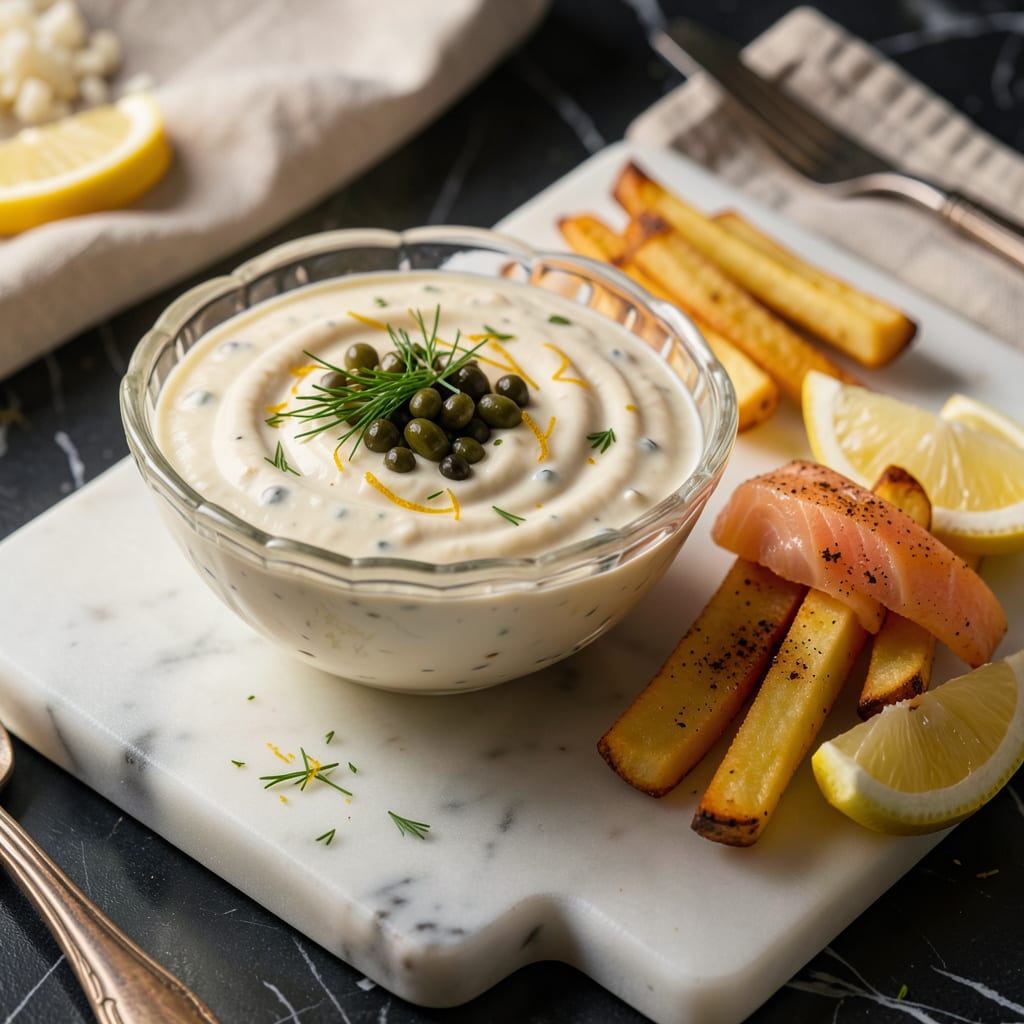
Tartar sauce is generally safe during pregnancy if made with pasteurized ingredients. The main concern is raw eggs in homemade versions—commercial brands typically use pasteurized eggs, making them a safer choice.
When I’m advising expectant mothers about condiments, the key factor is always ingredient processing. 🔥 Store-bought tartar sauce undergoes strict pasteurization, which eliminates harmful bacteria like salmonella that could lurk in raw eggs. This makes commercial options far more reliable than homemade recipes unless you’re using pasteurized eggs yourself. I also recommend checking labels for added preservatives or high sodium levels, as these can sometimes be hidden in shelf-stable sauces.
What many don’t realize is that the seafood base in tartar sauce (like pickles or capers) is rarely the issue—it’s the mayo or egg components that demand attention. ✨ For extra caution, I suggest opting for brands that explicitly state “pasteurized” on the packaging, or making your own with pasteurized mayo and hard-boiled eggs instead of raw ones.
💡 In This Article
- Pregnancy Safety Concerns in Tartar Sauce Ingredients
- Safe Tartar Sauce Alternatives for Pregnant Women
Pregnancy Safety Concerns in Tartar Sauce Ingredients
The primary risk in tartar sauce comes from raw eggs, which may contain Salmonella bacteria. During pregnancy, your immune system is naturally suppressed to protect the baby, making you more vulnerable to foodborne illnesses.
The CDC estimates that 1 in 20,000 eggs contains Salmonella, and while that seems low, the consequences during pregnancy can be severe—ranging from dehydration to preterm labor in extreme cases.
Commercial tartar sauces use pasteurized eggs, which are heated to 140°F for 3.5 minutes to kill bacteria while maintaining texture. This process is FDA-approved and considered safe. Homemade versions often skip this step, using raw eggs for creaminess. The difference is critical: pasteurized eggs reduce Salmonella risk by 99.999%, according to USDA studies. 🔥
Mayonnaise is another hidden risk factor. Traditional mayo contains raw eggs, but most store-bought brands now use pasteurized versions. Always check labels for “pasteurized” or “made with pasteurized eggs.” Even seemingly safe ingredients like capers or pickles can sometimes be packed in brines with high sodium levels, which pregnant women should monitor closely.
The seafood components (like relish or capers) are generally safe since they’re either pickled or cooked. However, if your tartar sauce contains fresh seafood like chopped clams or oysters, these should be fully cooked to 145°F to eliminate parasites. The FDA specifically advises pregnant women to avoid raw shellfish due to Vibrio bacteria risks. ✨
Here’s what’s often overlooked: cross-contamination. Even pasteurized ingredients can become unsafe if prepared on surfaces that previously held raw eggs or seafood. Always use clean utensils and bowls when making or serving tartar sauce during pregnancy. I recommend designating specific “pregnancy-safe” prep tools in your kitchen.
Temperature matters too. Tartar sauce should be stored below 40°F and consumed within 3-4 days of opening. Bacteria grow exponentially between 40-140°F, so never leave tartar sauce sitting out for more than 2 hours (or 1 hour if above 90°F). 💫
For extra peace of mind, consider acidity levels. The vinegar in tartar sauce (typically 4-5% acetic acid) creates an environment where bacteria struggle to survive. This is why properly made commercial versions have such long shelf lives—it’s not just preservatives, but the natural chemistry at work.

Trained in classic French technique but raised on slow-cooked ribs and spicy rubs, she blends culinary skill with smoke and soul.
- Recipe for Boneless Pork Chops in Cast Iron Skillet: Sear and Baste to Juicy Perfection - October 3, 2026
- Recipe for Boneless Cross Rib Roast: Slow-Roasted Beef with Herb Crust - October 3, 2026
- Hamburgers in Sauce Recipe Crock Pot: Slow-Cooked Savory Delight - October 3, 2026