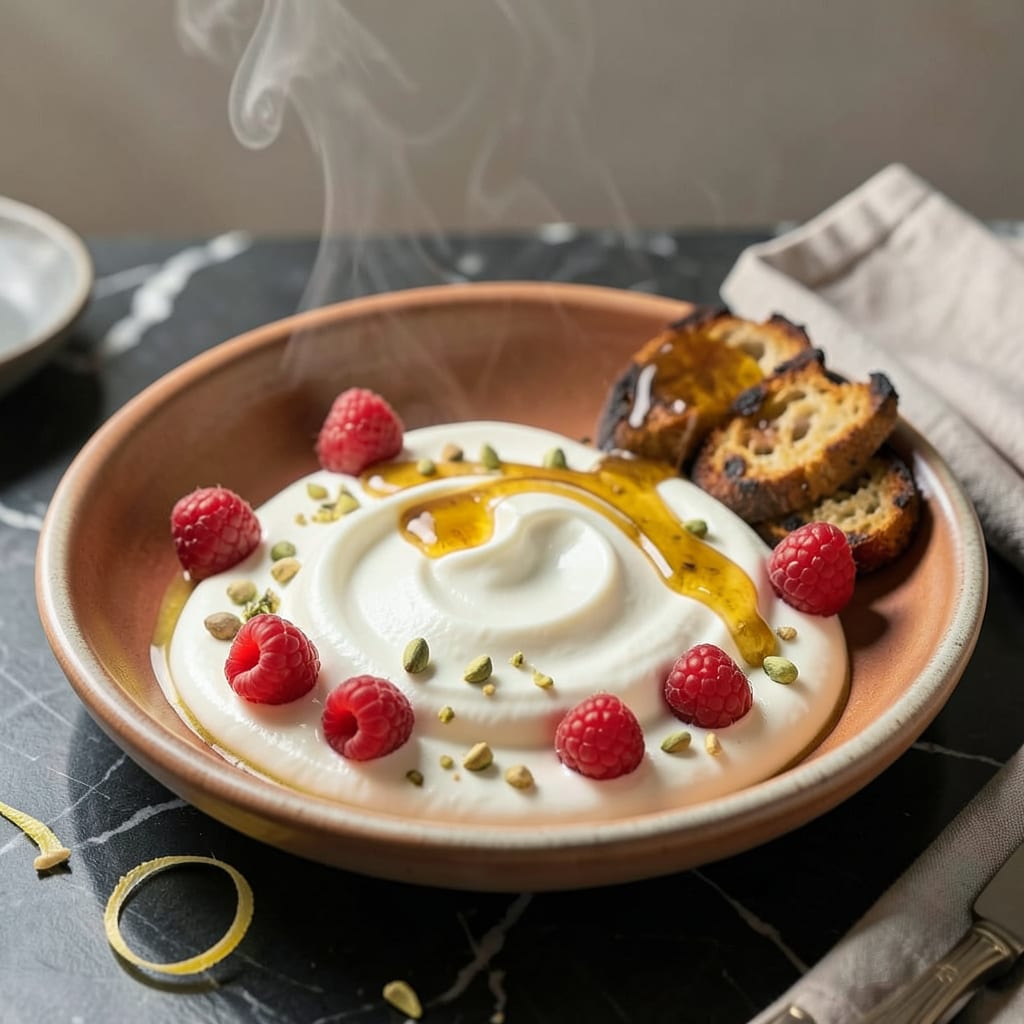
Yes, you can heat cream cheese, but it requires gentle, indirect heat to prevent curdling or separation. Low temperatures and gradual warming work best for smooth results in sauces, dips, or baked dishes.
I’ve found that cream cheese behaves like a delicate custard when exposed to heat—its high fat content makes it prone to breaking if rushed. 🔥 The secret lies in patience: warming it slowly (think double-boiler method or microwave bursts at half power) preserves that signature velvety texture. What many don’t realize is that cream cheese actually contains stabilizers like carob bean gum, but these can only do so much against sudden temperature spikes. For recipes like cheesecake fillings or creamy pasta sauces, I always recommend bringing it to room temperature first—this simple step prevents that dreaded grainy consistency.
💡 In This Article
- Why Cream Cheese Reacts to Heat and How to Prevent Curdling
- Best Ways to Melt Cream Cheese for Recipes and Dips
Why Cream Cheese Reacts to Heat and How to Prevent Curdling
Cream cheese is essentially an emulsion of fat, protein, and water—about 33% fat and 22% protein by weight. When heated too quickly, the fat separates from the protein matrix, causing that unappetizing grainy or lumpy texture.
The proteins (primarily casein) begin to unravel and clump together at temperatures above 140°F, which is why gentle heat is non-negotiable. Think of it like melting chocolate: go too fast, and you’ll end up with a seized, unusable mess. 🔥
The magic happens between 120-150°F, where the fat softens without the proteins breaking down. This is why professional recipes often call for room-temperature cream cheese before any heating begins—it gives you a 20-30 minute head start in the emulsification process.
For extra insurance, adding 1-2 teaspoons of cornstarch or 1 tablespoon of heavy cream per 8 oz block creates a protective buffer that helps maintain smoothness.
What most home cooks miss is that cream cheese contains natural stabilizers like carob bean gum, but these only work effectively at moderate temperatures. When you blast it with high heat (like tossing cold cream cheese directly into boiling soup), those stabilizers can’t keep up. The result?
A broken sauce that looks more like cottage cheese than silky dip. I’ve found that pre-mixing cream cheese with a small amount of the hot liquid (a technique called tempering) before full incorporation prevents this disaster 90% of the time. ✨
The texture changes are also time-dependent. Holding cream cheese at 160°F+ for more than 5-7 minutes will cause irreversible curdling, even if you started gently. This is why microwave methods require 15-20 second bursts at 50% power with stirring in between.
The goal is to coax the fat and proteins into cooperation, not force them through thermal shock. For baked applications like cheesecake, the oven’s ambient heat (typically 325°F) allows for gradual melting without direct exposure.
Here’s a pro trick I learned from pastry chefs: if your cream cheese does curdle, immediately remove it from heat and blend in 1 teaspoon of lemon juice per 4 oz. The acidity helps re-emulsify the mixture by altering the protein structure.
It won’t be perfect, but it can save a recipe from the trash can. For critical applications like frostings or mousses, I always use a double-boiler setup with water kept at a steady 180°F—hot enough to melt but not scorch. 💫
Different brands behave differently due to varying stabilizer blends. Philadelphia cream cheese (with its higher gum content) handles heat better than store brands, which often contain more whey. For restaurant-quality results, I recommend testing your specific brand by melting 1 tablespoon in a small saucepan before committing to a full batch.
The color should remain uniform ivory—any yellowing or liquid separation means you’ve crossed the temperature threshold.
Remember that heated cream cheese will thicken as it cools due to protein reformation. This is why dips often develop a skin when left out—it’s not spoilage, just science. To combat this, press plastic wrap directly onto the surface of warm cream cheese mixtures to prevent air exposure.
The texture will stay luscious for up to 2 hours at room temperature, or 3 days when refrigerated in an airtight container. ⚡

Trained in classic French technique but raised on slow-cooked ribs and spicy rubs, she blends culinary skill with smoke and soul.
- Recipe for Boneless Pork Chops in Cast Iron Skillet: Sear and Baste to Juicy Perfection - October 3, 2026
- Recipe for Boneless Cross Rib Roast: Slow-Roasted Beef with Herb Crust - October 3, 2026
- Hamburgers in Sauce Recipe Crock Pot: Slow-Cooked Savory Delight - October 3, 2026