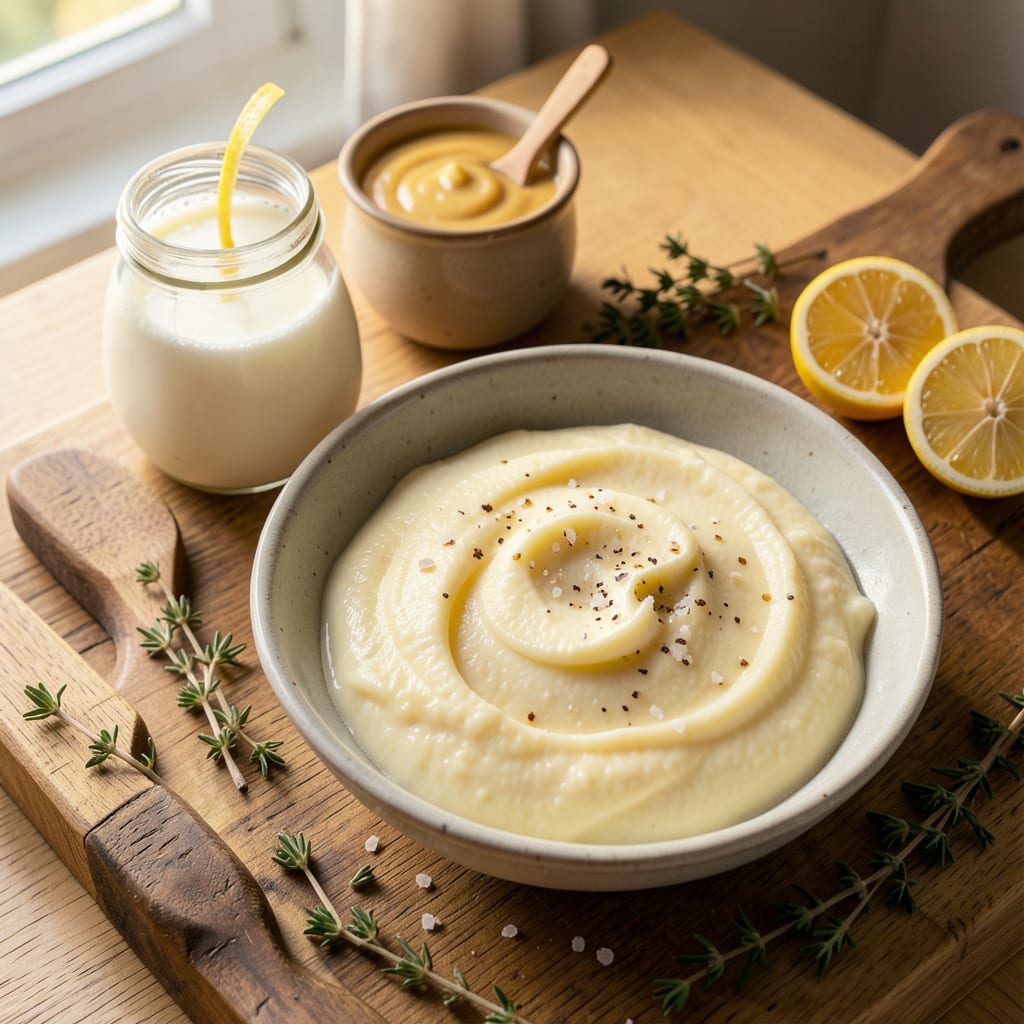
Yes, you can make butter from goat’s milk, but it requires more effort than cow’s milk due to lower fat content. The process involves separating cream, churning it, and washing the butter to remove excess buttermilk.
I’ve found that goat’s milk butter offers a unique, slightly tangy flavor that sets it apart from traditional cow’s milk butter. The challenge lies in the smaller fat globules, which make cream separation trickier and require longer churning times. 🔥 For best results, use fresh, high-fat goat’s milk and chill it thoroughly before starting—this helps maximize cream yield and improves texture.
What’s fascinating is how this process connects to traditional dairy practices in Mediterranean and Middle Eastern cultures, where goat’s milk butter has been prized for centuries. The lower fat content means you’ll need about 2-3 times more milk to produce the same amount of butter as cow’s milk, but the rich, complex flavor makes it worthwhile.
💡 In This Article
- Why Goat’s Milk Butter Differs From Cow’s Milk Butter
- Step-by-Step Guide to Making Goat’s Milk Butter at Home
Why Goat’s Milk Butter Differs From Cow’s Milk Butter
The secret lies in the fat globules—goat’s milk contains smaller ones compared to cow’s milk. These tiny globules (1-2 microns vs. cow’s 3-4 microns) make cream separation harder because they don’t rise as efficiently. That’s why you’ll need to chill goat’s milk longer (24-48 hours at 38°F) to encourage fat clustering before skimming. The result?
A cream yield that’s typically 30-50% lower than cow’s milk for the same volume. 🔥
Once churned, goat’s milk butter reveals its unique texture—softer and more spreadable at room temperature due to a higher proportion of medium-chain fatty acids. These acids also give it that distinctive tangy flavor, similar to cultured butter but with earthy undertones.
Nutritionally, it packs more vitamin A (47% more per tablespoon) and slightly less cholesterol than cow’s butter, making it a favorite in Mediterranean diets where goat dairy reigns supreme.
Here’s what most people don’t realize: the churning process takes 2-3 times longer because those small fat globules resist coalescing. I’ve found that maintaining a consistent 55-60°F churning temperature helps, along with adding a pinch of salt early to stabilize the emulsion.
The extra effort pays off in flavor—imagine a cross between European cultured butter and fresh chèvre, with a clean finish that doesn’t coat your palate like heavier cow’s milk butter. ✨
The cultural significance runs deep too. In Morocco, smen (fermented goat’s butter) is aged in clay pots for years, developing funky, umami-rich notes. Meanwhile, Greek anthotyro butter incorporates whey for a lighter texture. These traditions highlight how goat’s milk butter adapts to regional tastes—something to consider when experimenting with your own batches.
The key is embracing its natural characteristics rather than forcing it to mimic cow’s milk butter.
Foraging tip: If you’re using raw goat’s milk, the butter’s flavor will shift seasonally based on the goats’ diet. Spring butter (from fresh pasture grazing) tends to be sweeter, while winter batches (hay-fed goats) develop more mineral notes.
This terroir effect is why artisanal producers often blend milks from different seasons to achieve consistent flavor profiles. 🌿
- Fat content: Goat’s milk averages 4.1% fat vs. cow’s 3.7%, but smaller globules reduce cream yield
- Churning time: Expect 20-30 minutes vs. 10-15 for cow’s cream
- Storage life: Lasts 2-3 weeks refrigerated (shorter than cow’s butter due to higher moisture content)

Trained in classic French technique but raised on slow-cooked ribs and spicy rubs, she blends culinary skill with smoke and soul.
- Recipe for Boneless Pork Chops in Cast Iron Skillet: Sear and Baste to Juicy Perfection - October 3, 2026
- Recipe for Boneless Cross Rib Roast: Slow-Roasted Beef with Herb Crust - October 3, 2026
- Hamburgers in Sauce Recipe Crock Pot: Slow-Cooked Savory Delight - October 3, 2026