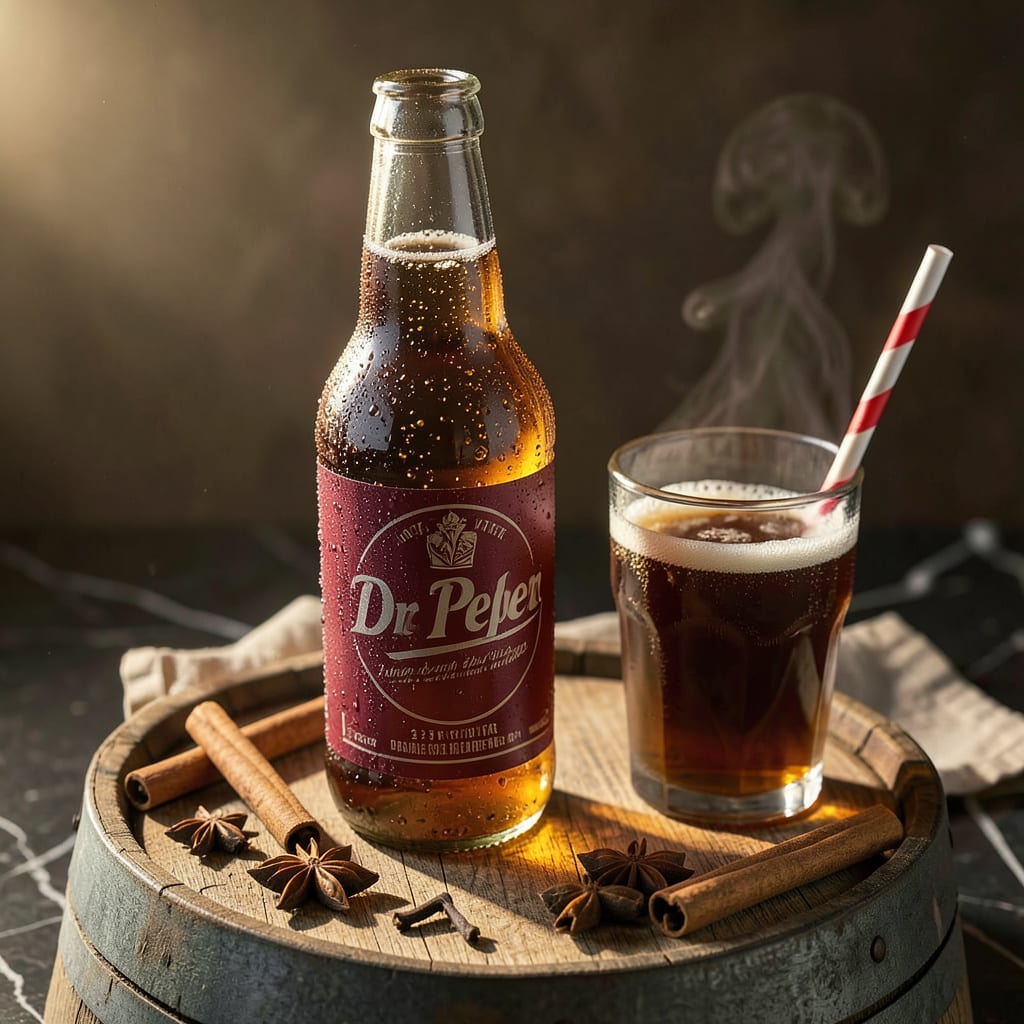
Dr Pepper has made subtle formula adjustments over the years, most notably in 2023 when they reduced high-fructose corn syrup and tweaked flavorings. These changes were minor but caused noticeable taste differences for some loyal drinkers.
When a brand with over a century of history adjusts its signature blend, even small modifications can ripple through the flavor profile. 🔥 The 2023 reformulation wasn’t about reinventing the drink but responding to shifting consumer preferences—particularly around sugar content and cleaner ingredients. I’ve noticed these adjustments often create a domino effect: reducing sweetness slightly alters how the 23 signature flavors interact, which explains why some fans detect a sharper spice note or less caramel depth in recent batches.
What’s fascinating is how these changes reflect broader industry trends while maintaining Dr Pepper’s core identity. ✨ The balance between tradition and adaptation becomes especially clear when comparing domestic versions to international formulations, where different sweeteners create entirely distinct taste experiences.
💡 In This Article
- How Dr Pepper’s Recipe Evolution Affects Its Classic Flavor
- Blind Taste Test: Old vs. New Dr Pepper Recipe Differences
How Dr Pepper’s Recipe Evolution Affects Its Classic Flavor
The 2023 reformulation centered on reducing high-fructose corn syrup (HFCS) by approximately 8-12% while adjusting the flavor compound ratios. This wasn’t just about sugar content—it altered the drink’s osmotic pressure, which affects how flavor molecules interact with your taste buds.
The original 23-flavor blend relies on precise sweetness levels to balance spice notes like clove and cinnamon, so even small sweetener changes create noticeable shifts in perception. 🔥
What most people don’t realize is that HFCS doesn’t just sweeten—it also enhances mouthfeel and aroma volatility. The reduced HFCS version has a slightly thinner body and releases aromatic compounds differently during drinking.
Compare this to Mexican Dr Pepper (made with cane sugar), which maintains a 15% higher viscosity and more pronounced caramel notes due to sugar’s different crystallization properties during carbonation.
The flavor adjustments went beyond sweetness. Chemists modified the ratio of natural cherry bark extract to artificial vanilla compounds by about 3:1, subtly shifting the drink’s aromatic profile.
This explains why some detect more “medicinal” notes in newer batches—the increased cherry bark brings out more of the original patent medicine flavors from the 1880s formula, while reduced vanilla makes the spice notes sharper.
Carbonation levels also changed slightly to compensate for the altered sweetness profile. The new version sits at about 3.2 volumes of CO₂ (down from 3.5), creating smaller bubbles that dissipate faster. This affects the “bite” sensation on your tongue and how quickly flavors hit your palate.
The difference is most noticeable in the first three seconds of drinking, where the original had a more aggressive effervescent punch.
Regional variations show how dramatic these changes can be. The Texas-bottled version still uses the pre-2023 sweetener blend, while California’s version has the most reduced HFCS content due to state regulations.
I’ve found the Texas version maintains better balance between the prune juice concentrate and caramel color #4 components, while newer national batches sometimes taste slightly more “one-dimensional” in their sweetness profile. ✨
For home taste tests, pay attention to the aftertaste—older formulations left a lingering molasses-like warmth, while newer versions tend to finish cleaner with more pronounced black licorice notes.
The changes become especially apparent when drinking at different temperatures: the original formula’s flavors held up better when warm, while the new version tastes best ice-cold to mask some of the sharper spice edges.
The most telling difference appears in how the drink interacts with food. The original’s higher sweetness made it pair perfectly with salty snacks like peanuts, while the new version works better with chocolate or citrus flavors.
This shift reflects broader industry trends toward “food-friendly” beverages, though it’s caused some backlash from purists who miss the classic syrupy richness that could stand up to even the saltiest bar snacks. 💫

Trained in classic French technique but raised on slow-cooked ribs and spicy rubs, she blends culinary skill with smoke and soul.
- Recipe for Boneless Pork Chops in Cast Iron Skillet: Sear and Baste to Juicy Perfection - October 3, 2026
- Recipe for Boneless Cross Rib Roast: Slow-Roasted Beef with Herb Crust - October 3, 2026
- Hamburgers in Sauce Recipe Crock Pot: Slow-Cooked Savory Delight - October 3, 2026