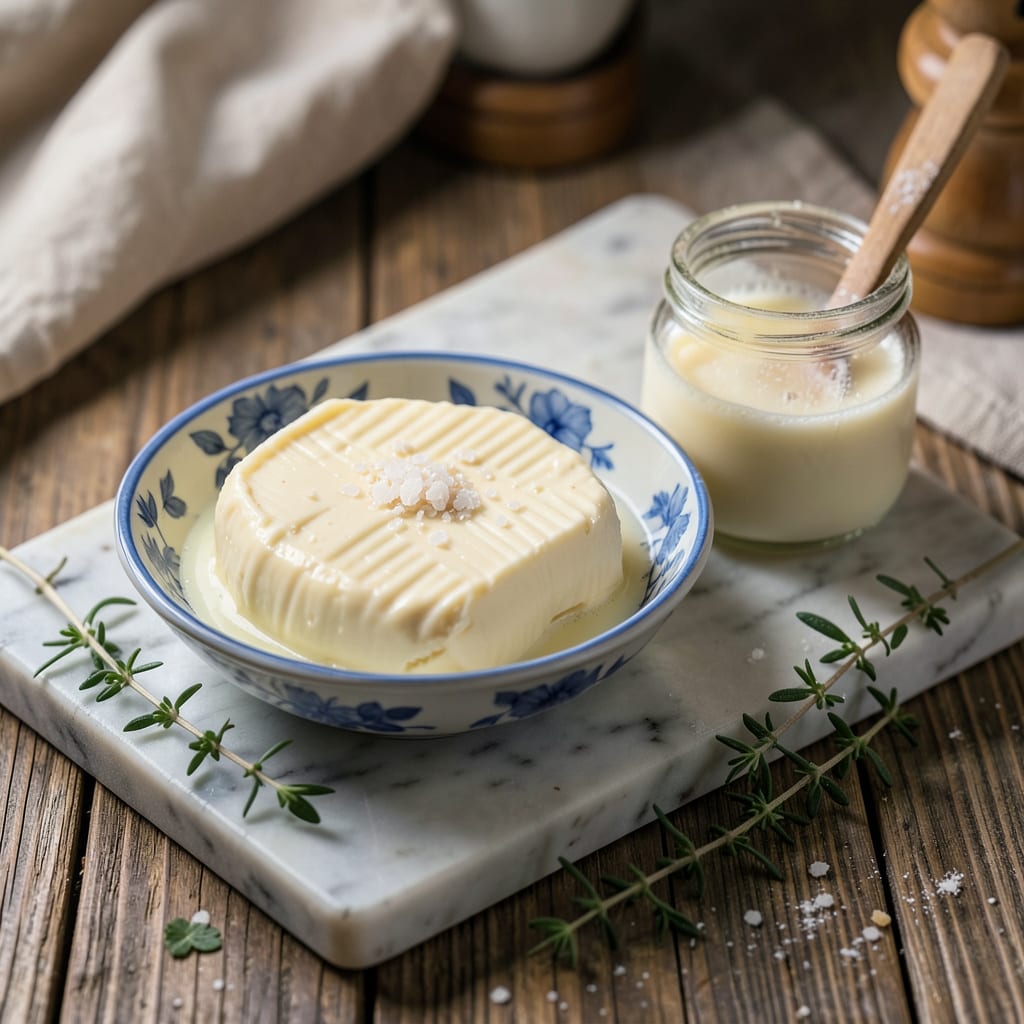
Yes, you can make butter from sour cream by churning it until the fat separates from the buttermilk. The process is similar to traditional butter-making but yields a tangier, creamier result with a slightly lower fat content.
This method works because sour cream already contains the perfect fat-to-liquid ratio—just agitated enough to break the emulsion. 🔥 I love how the fermentation process gives the butter a subtle complexity that regular cream can’t match. The key is using full-fat sour cream and controlling the temperature during churning. You’ll end up with a spreadable butter that’s fantastic on toast or for finishing sauces.
💡 In This Article
- How Sour Cream Transforms Into Homemade Butter
- Step-by-Step Guide to Making Butter From Sour Cream
How Sour Cream Transforms Into Homemade Butter
The magic happens when you agitate sour cream’s fat globules. Unlike heavy cream (which has about 36% fat), sour cream contains 18-20% fat suspended in a cultured, acidic liquid. When you churn it, the mechanical force breaks the protective membranes around fat globules, causing them to clump together.
This is identical to traditional butter-making, but the pre-fermented base gives it a distinctive tangy depth that regular butter lacks.
Fermentation plays a crucial role in both texture and flavor. The lactic acid bacteria in sour cream have already partially broken down proteins and sugars, creating compounds like diacetyl (the buttery aroma in popcorn) and acetic acid. 🔥 These contribute to a more complex flavor profile with subtle nutty and yogurt-like notes.
The lower fat content means the butter will be softer and more spreadable at room temperature compared to traditional butter’s firmer texture.
Temperature control is everything during this process. Ideal churning happens at 55-60°F—cool enough to keep fats solid but warm enough for them to coalesce. If too cold, the fat won’t separate properly; too warm, and you’ll end up with a greasy mess.
I’ve found that chilling the sour cream for 1-2 hours before churning gives the best results, as it helps maintain that perfect temperature balance during agitation.
The resulting butter has about 60-65% fat (versus 80% in traditional butter), which explains its creamier mouthfeel. The remaining liquid—now cultured buttermilk—contains proteins and lactic acid, making it perfect for pancakes or biscuits.
The butter itself will have a pale yellow color from the fermentation process, with a texture that’s more velvety than grainy when properly worked.
What’s fascinating is how the pH level (around 4.5 in sour cream) affects the final product. This acidity helps preserve the butter naturally and gives it that characteristic tang.
✨ When compared side-by-side with traditional butter, you’ll notice the sour cream version has a more pronounced “cultured” flavor similar to European-style butters, but with a lighter body that melts beautifully on warm bread or vegetables.
The separation process also differs slightly from traditional butter. Because sour cream is thicker, it requires more vigorous agitation—typically 5-7 minutes in a stand mixer versus 3-4 minutes for heavy cream. The buttermilk that separates is thinner but more flavorful than traditional buttermilk, with a bright acidity that works wonderfully in salad dressings or marinades.
This method creates what I call “farmer’s butter”—a rustic, old-world style product that was common before industrial dairy processing. The lower fat content means it won’t keep as long as store-bought butter (about 1-2 weeks refrigerated), but the tradeoff is a fresh, vibrant flavor that commercial products can’t match. 💫

Trained in classic French technique but raised on slow-cooked ribs and spicy rubs, she blends culinary skill with smoke and soul.
- Recipe for Boneless Pork Chops in Cast Iron Skillet: Sear and Baste to Juicy Perfection - October 3, 2026
- Recipe for Boneless Cross Rib Roast: Slow-Roasted Beef with Herb Crust - October 3, 2026
- Hamburgers in Sauce Recipe Crock Pot: Slow-Cooked Savory Delight - October 3, 2026