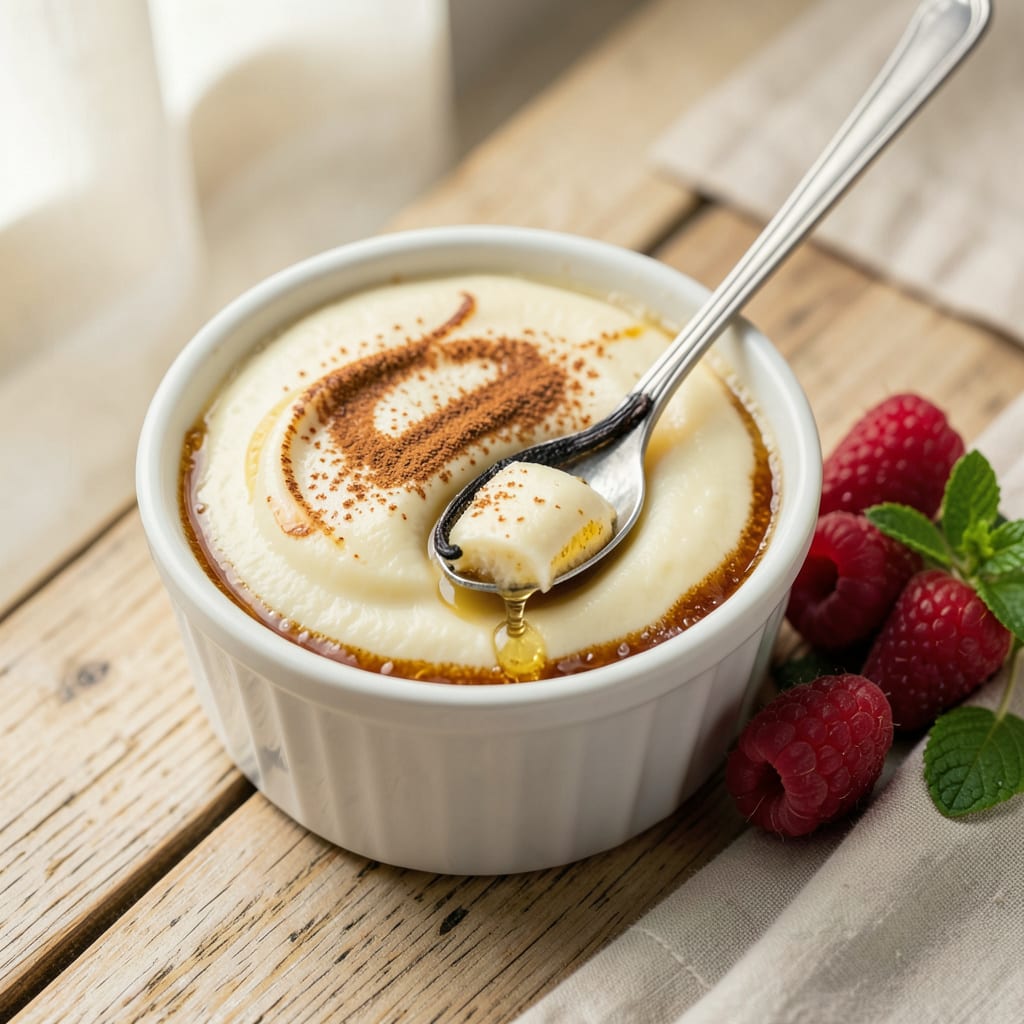
Yes, you can make custard with oat milk, but it requires careful thickening since oat milk lacks dairy’s natural protein structure. Use cornstarch or arrowroot powder for best texture, and cook gently to prevent separation.
I’ve tested this method countless times in my kitchen, and the key lies in understanding oat milk’s unique properties. Unlike dairy, it won’t set on its own due to its lower protein content, so you’ll need to rely on starches to create that classic custard consistency. 🔥 The trick is balancing the thickener—too much and you’ll get a gummy texture, too little and it won’t hold. I recommend starting with 1 tablespoon of cornstarch per cup of oat milk and adjusting based on your preferred firmness.
What’s fascinating is how oat milk’s natural sweetness can actually enhance the final flavor, especially when paired with vanilla or caramel notes. Just remember to keep the heat low and stir constantly—oat milk scorches more easily than dairy, and nobody wants a burnt aftertaste. ✨
💡 In This Article
- Why Oat Milk Behaves Differently in Custard Recipes
- Step-by-Step Guide to Perfect Oat Milk Custard
Why Oat Milk Behaves Differently in Custard Recipes
Oat milk’s composition is fundamentally different from dairy milk, which directly impacts custard-making. Traditional dairy contains about 8 grams of protein per cup (casein and whey) that coagulate when heated, creating custard’s signature structure. Oat milk, however, has only 2-4 grams of protein—mostly plant-based—and lacks these coagulation properties.
This means it won’t thicken on its own, requiring starch-based thickeners to mimic dairy’s behavior. 🔥
The fat content also plays a role. Whole dairy milk contains about 8 grams of fat per cup, contributing to richness and mouthfeel. Oat milk typically has 2.5-5 grams of fat, often from added oils like canola or rapeseed.
These fats don’t emulsify the same way as dairy fats, which can lead to separation if not properly stabilized. The solution? Starches like cornstarch or arrowroot absorb liquid and swell when heated, creating a gel-like network that replaces dairy’s natural thickening. ✨
Temperature sensitivity is another critical factor. Dairy custards can handle gentle simmering up to 180°F before curdling. Oat milk, however, begins breaking down at lower temperatures—around 160°F—due to its plant-based proteins. This narrower temperature window means you must cook it more gently and monitor closely.
I’ve found that maintaining a low-medium heat (140-150°F) and constant stirring prevents scorching while allowing the starches to activate properly. 💫
The natural sugars in oat milk (about 16-20 grams per cup compared to dairy’s 12 grams) also affect the final product. These sugars caramelize more readily during cooking, which can enhance flavor but also increase the risk of burning.
This is why oat milk custards often develop a slightly toasted, almost buttery aroma—something I’ve come to appreciate in my testing. The higher sugar content also means you may need to adjust added sweeteners in your recipe. 🌟
What most people don’t realize is that oat milk’s pH (around 6.5-7.0) is slightly more acidic than dairy milk (6.7-6.9). This subtle difference can affect how starches perform. Cornstarch, for instance, works best in neutral to slightly acidic environments, making it particularly well-suited for oat milk custards.
Arrowroot, while also effective, may require slightly more quantity (1.5 tablespoons per cup) to achieve the same thickness due to this pH variation. ⚡
One unexpected advantage I’ve discovered is that oat milk’s beta-glucans—soluble fibers from the oats—act as natural thickeners. While not strong enough alone, they work synergistically with added starches to create a smoother, more stable custard. This is why oat milk custards often have a velvety texture that’s distinct from dairy versions.
The key is patience: allowing the custard to chill for at least 4 hours lets these fibers fully hydrate and contribute to the final consistency. 💛
Compared to other plant milks, oat milk actually performs better in custards than almond or rice milk due to its higher fat and carbohydrate content. Soy milk comes closest to dairy in protein content (7-9 grams per cup), but its distinct bean flavor can overpower delicate custard profiles.
Oat milk strikes a balance—neutral enough in taste while providing sufficient body for a satisfying custard experience when properly thickened. 🌟

Trained in classic French technique but raised on slow-cooked ribs and spicy rubs, she blends culinary skill with smoke and soul.
- Recipe for Boneless Pork Chops in Cast Iron Skillet: Sear and Baste to Juicy Perfection - October 3, 2026
- Recipe for Boneless Cross Rib Roast: Slow-Roasted Beef with Herb Crust - October 3, 2026
- Hamburgers in Sauce Recipe Crock Pot: Slow-Cooked Savory Delight - October 3, 2026