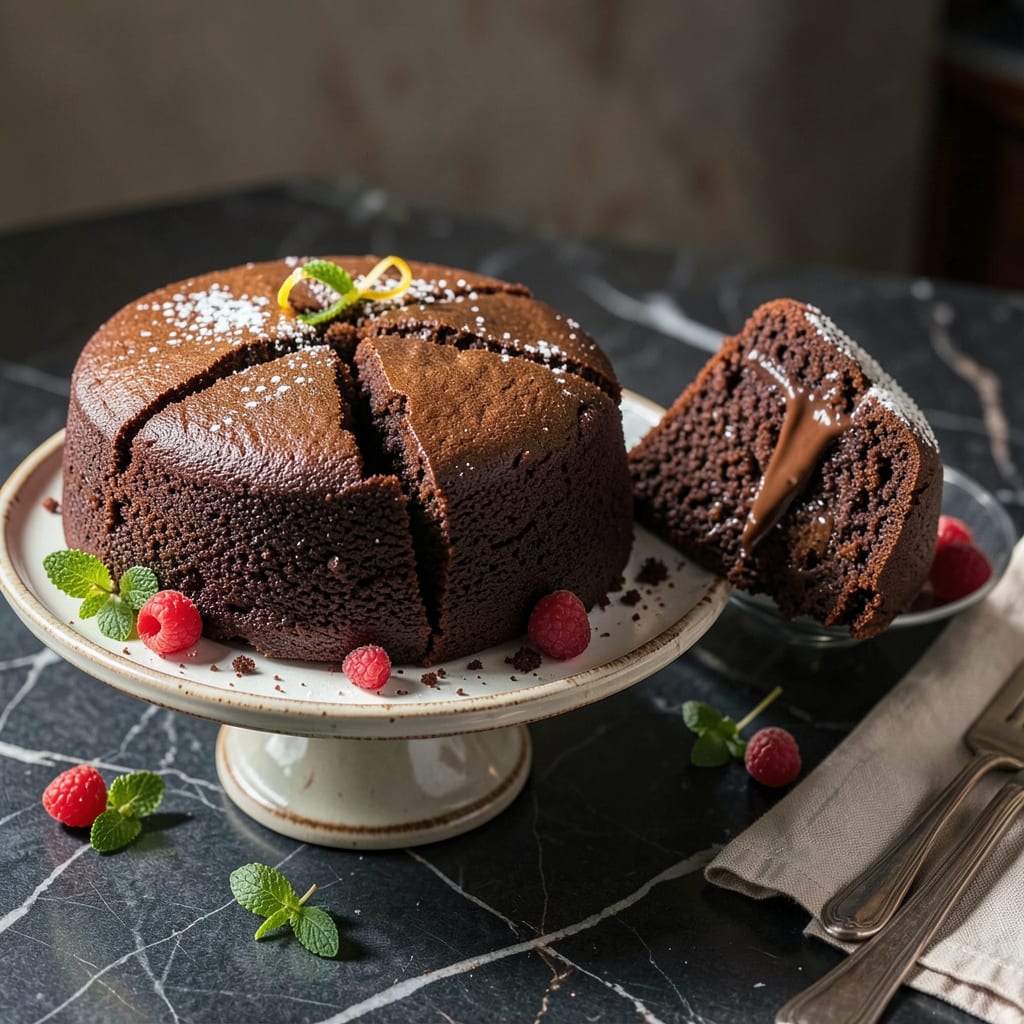
Forgetting baking soda in baked goods results in dense, flat textures because the recipe loses its leavening agent. Cookies spread excessively, cakes won’t rise properly, and flavors may taste overly acidic or bitter.
I’ve seen this happen more times than I’d like to admit—baking soda isn’t just about rise, it’s the silent partner balancing your recipe’s chemistry. Without it, those carefully measured acidic ingredients (like buttermilk or citrus) throw the whole flavor profile off-kilter. 🔥 What really stings is watching cookies turn into sad, greasy puddles or cakes emerge from the oven looking like deflated soufflés. The science is simple but critical: baking soda neutralizes acids while creating those essential air bubbles we associate with perfect texture.
💡 In This Article
- How Baking Soda Affects Baked Goods Chemically
- Quick Fixes When You Forget Baking Soda in Recipes
How Baking Soda Affects Baked Goods Chemically
Baking soda (sodium bicarbonate) is your recipe’s chemical lifter. When it meets acidic ingredients like buttermilk (pH 4.5), molasses (pH 5.5), or citrus juice, it triggers an immediate reaction producing carbon dioxide gas. This gas forms tiny bubbles that expand during baking, creating that light, airy texture we crave.
Without it, you’re left with a dense, compact crumb structure that can feel more like a hockey puck than a tender cake. 🔥
The pH balance gets thrown completely out of whack too. Baking soda neutralizes acids, raising the batter’s pH to 7.0-7.5 where flavors taste balanced. Skip it, and your brownies might taste unpleasantly sharp from unchecked acidity, or your pancakes could develop a metallic aftertaste.
I’ve seen cookie dough with forgotten baking soda spread into thin, greasy discs because the butter had nothing to counteract its acidity. ✨
Compare this to baking powder, which contains both an acid and base in one package. While baking powder can work alone, baking soda needs that acidic partner to activate. That’s why recipes with baking soda always include ingredients like yogurt (pH 4.0-4.5) or vinegar.
The reaction starts immediately when wet ingredients combine, which is why you should bake soda-leavened goods right after mixing. ⚡
Temperature accelerates everything. At 350°F, the gas production peaks within 5-8 minutes of baking. Without baking soda, your oven’s heat just sets the dense batter as-is. I once forgot it in a coffee cake and ended up with a 1-inch tall brick that weighed more than my cast iron skillet.
The sugar caramelized nicely on top, but the interior was gummy and undercooked despite proper bake time. 💫
Here’s what’s fascinating: baking soda does double duty. Beyond leavening, it helps with browning through the Maillard reaction. Those golden crusts on your chocolate chip cookies? Partly thanks to baking soda raising the surface pH just enough to accelerate browning at 325-375°F. Without it, you’ll get pale, anemic-looking baked goods that lack visual appeal. 🌟
The texture differences are dramatic. A proper cake with baking soda might have 20-30% air pockets by volume, while a soda-free version could be 90% solid batter. That’s why forgotten baking soda turns muffins into doorstops and biscuits into dense hockey pucks.
The structural integrity changes completely when those gas bubbles aren’t there to create internal support. 💛

Trained in classic French technique but raised on slow-cooked ribs and spicy rubs, she blends culinary skill with smoke and soul.
- Recipe for Boneless Pork Chops in Cast Iron Skillet: Sear and Baste to Juicy Perfection - October 3, 2026
- Recipe for Boneless Cross Rib Roast: Slow-Roasted Beef with Herb Crust - October 3, 2026
- Hamburgers in Sauce Recipe Crock Pot: Slow-Cooked Savory Delight - October 3, 2026